
The Definition and Impact of Sonic Branding
Sonic branding is the strategic use of sound to establish a unique brand identity and foster emotional connections with an audience. Just as a visual logo represents a company through colors and shapes, a sonic identity uses audio cues to trigger immediate brand recognition.
In an era where eyes are often away from screens while consuming content, audio serves as a powerful tool for maintaining a presence in the mind of the consumer.
Research indicates that sound can influence consumer behavior and improve brand recall by providing a multi-sensory experience that visual elements alone cannot achieve.
Core Elements of an Audio Identity
A professional sonic brand consists of several layered components that work together across different platforms. The most recognizable element is the audio logo, a short sequence of sounds or a melody that typically appears at the beginning or end of a video or podcast. Beyond the logo, businesses utilize brand music, which is a longer thematic piece used for background tracks or transitions.
Voice identity is another critical pillar. This involves selecting a specific tone, cadence, and personality for voiceovers that align with the brand’s values. Whether the goal is to sound authoritative, whimsical, or empathetic, consistency in voice selection across all media helps solidify the brand persona. Functional sounds also play a role, such as the specific notification tones in an app or the unique sound of a product interface.
Strategic Implementation for Podcasts and Video
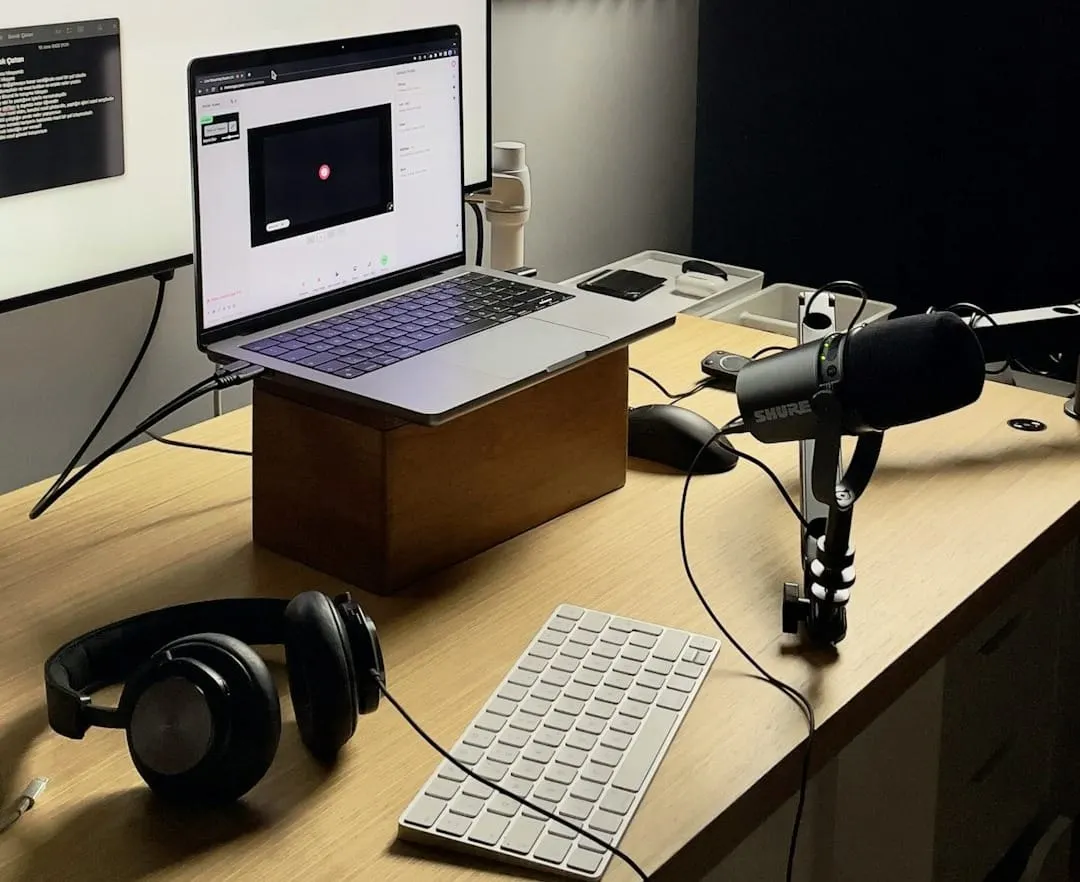
For creators and businesses using PodcastVideos.com resources, implementing sonic branding starts with the production workflow. Integrating a consistent intro and outro melody into every episode creates a familiar structure for listeners. This auditory "habit" signals to the audience that they are in the right place and prepares them for the content ahead.
In video production, sonic branding extends to sound design and foley. Using consistent sound effects for text overlays or transitions can reinforce brand professionalism. Marketing teams can further leverage these assets by using the same brand music in social media advertisements, ensuring that even if a viewer scrolls past a video, the audio signature remains recognizable. This cross-platform consistency reduces friction in brand discovery and builds long-term authority.
Tools and Workflows for Professional Results
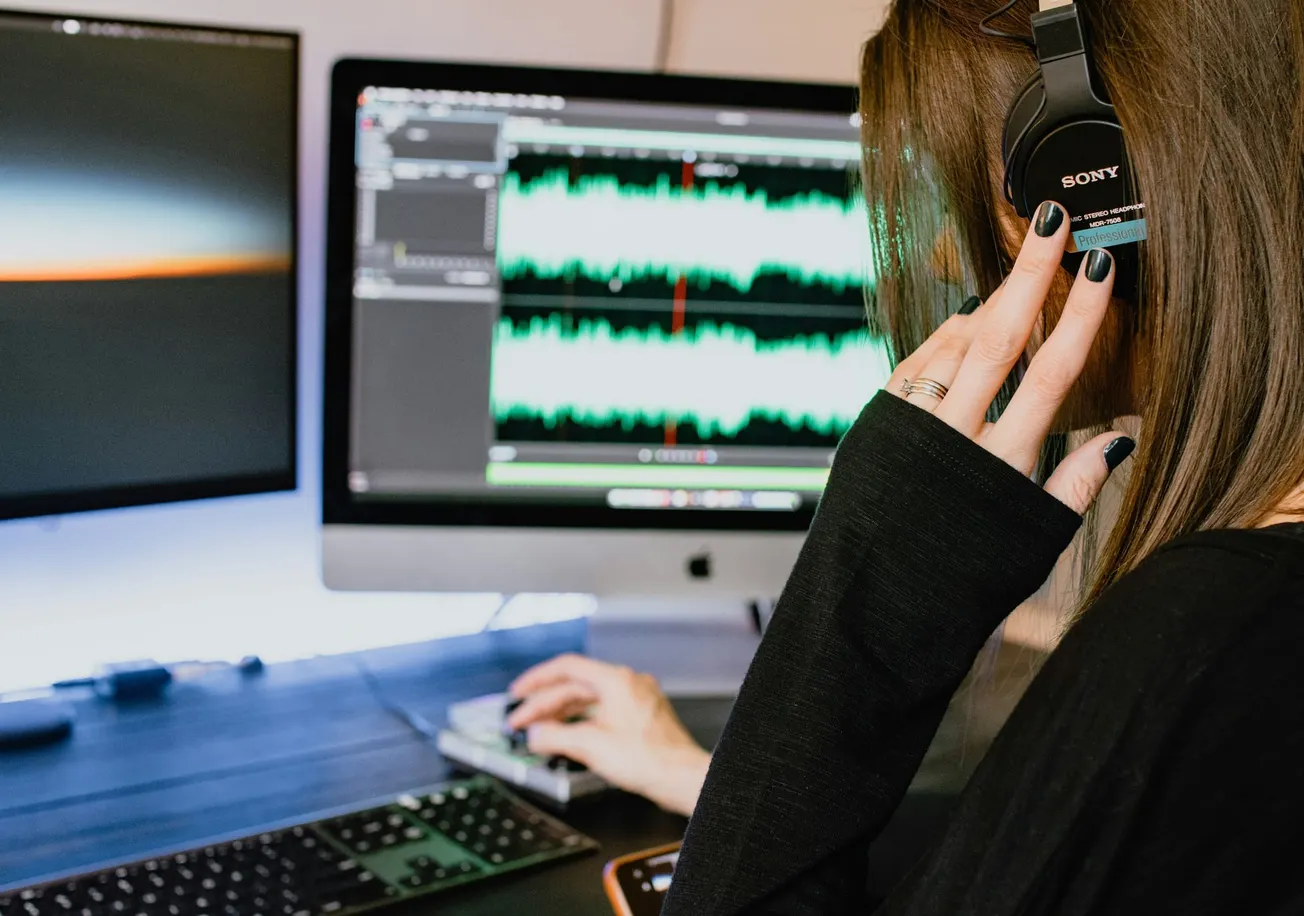
Achieving a professional sound does not always require a massive budget, but it does require intentionality. Many creators begin by utilizing high-quality royalty-free libraries to find themes that match their brand voice. However, to truly stand out, custom composition is the preferred route. Professional audio software like Adobe Audition or Logic Pro allows creators to manipulate sounds to fit specific timing requirements of different platforms.
When developing a sonic brand, it is essential to test audio assets across various environments. A logo that sounds clear on studio monitors may lose its impact when played through smartphone speakers or in a noisy car. Testing for clarity and frequency balance ensures the brand remains accessible regardless of how the audience consumes the content.
Scaling Audio Assets for Business Growth
As a business grows, its sonic library should expand to include various versions of its core audio assets. This includes creating "stingers" or shorter versions of the brand theme for social media clips, as well as instrumental versions for background use during interviews. By building a comprehensive audio style guide, organizations ensure that any team member or external editor can produce content that remains on-brand. This scalability is vital for maintaining a professional image as production volume increases.
Sonic branding is no longer reserved for global corporations with massive advertising budgets. By focusing on consistency, quality, and emotional resonance, small businesses and independent creators can use sound to build a more resilient and recognizable brand in the competitive digital landscape.
More about branding:
 Staff Report
 Staff Report
 Staff Report