
Achieving pristine audio is paramount for engaging podcasts, compelling video narratives, and impactful digital content. High-fidelity audio monitoring can significantly elevate the final product, allowing creators to hear every nuance and imperfection.
While modern equipment offers convenience, undervalued vintage audio amplifiers present an excellent opportunity to achieve superior sound quality without exorbitant costs. Integrating these classic components into a studio setup can provide a rich, detailed, and accurate listening experience.
The Enduring Value of Vintage Audio for Creators
Many content creators focus on recording tools but often overlook the critical role of playback equipment. A high-quality amplifier and speaker or headphone setup ensures that mixing and mastering decisions are based on the most accurate audio representation possible.
Vintage amplifiers, particularly those built during the "golden age" of hi-fi, are renowned for their robust construction, powerful output, and often warm, natural sound reproduction. This durability means many units, even decades old, can still perform exceptionally well after proper servicing.
Investing in a vintage amplifier for your audio monitoring station can be a cost-effective strategy to gain professional-grade sound. These units can offer sonic characteristics, like rich bass and detailed mid-range, that might only be found in much more expensive contemporary gear.
Beyond traditional podcasting and video editing, superior audio monitoring benefits music producers, educators creating online courses, and businesses refining their brand's sonic identity. Clarity in audio playback ensures every spoken word or musical element is precisely as intended for the audience.
Integrating Classic Power into Modern Workflows
Choosing the right vintage amplifier involves understanding its specifications and potential integration challenges. Most vintage amps offer robust connections for passive speakers and often feature a dedicated headphone output, which is crucial for detailed editing sessions.
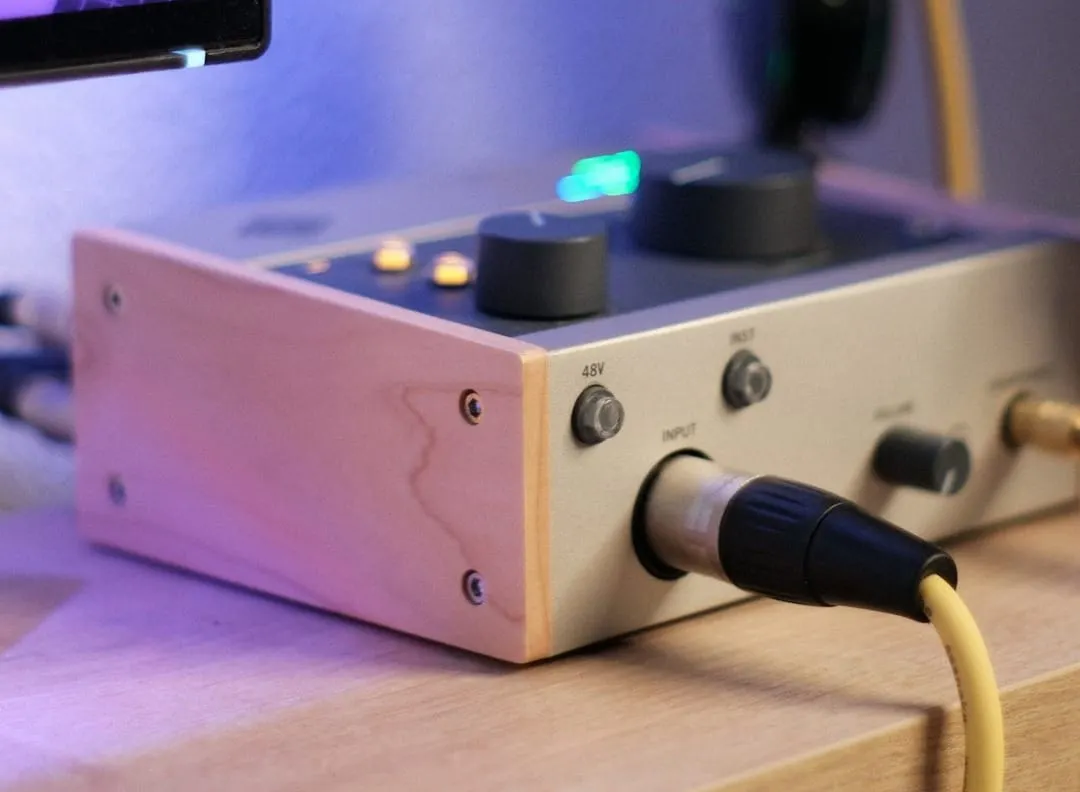
Content creators can connect their audio interface's line outputs directly to the amplifier's auxiliary inputs, effectively using the vintage unit as the heart of their monitoring chain. This setup ensures that the digital audio signal benefits from the analog amplification stage.
Before purchasing, research common issues for specific models and consider the cost of professional servicing to ensure longevity and optimal performance. A well-maintained vintage amplifier can serve a studio reliably for many years, becoming a cornerstone of its audio infrastructure.
The synergy between a high-quality audio interface and a capable vintage amplifier creates an ideal environment for critical listening. This allows creators to make informed decisions about compression, equalization, and overall mix balance, crucial for professional content output.
Noteworthy Vintage Amps for Studio Monitoring
Several vintage amplifiers offer exceptional value and performance suitable for content creation studios. Their characteristics make them appealing for various audio monitoring needs, from detailed voice work to complex music mixes.
- NAD 3020: This integrated amplifier, known for its high-current design, offers a surprisingly powerful and musical sound despite its modest 20-watt rating. Its clean presentation is excellent for discerning vocal nuances in podcasts and voiceovers.
- Hafler DH-200: A solid 100-watt-per-channel power amplifier, the DH-200 provides a smooth, unfatiguing character due to its MOSFET output stage. This makes it ideal for extended editing sessions where listening fatigue must be minimized.
- Yamaha CA-2010: This high-end integrated amplifier offers switchable Class A operation, providing a warm and detailed sound often sought after for music production monitoring. Its robust engineering ensures reliable performance and excellent dynamics for critical listening.
These examples illustrate how specific vintage models can provide significant audio advantages for creators. They often feature robust power supplies and thoughtful engineering, ensuring a stable and accurate signal for professional audio work.
Exploring these and other undervalued vintage amps allows content creators to build a high-performance audio monitoring system that rivals much more expensive new gear. This strategic investment in playback quality directly translates to a more polished and professional final product for any audience.