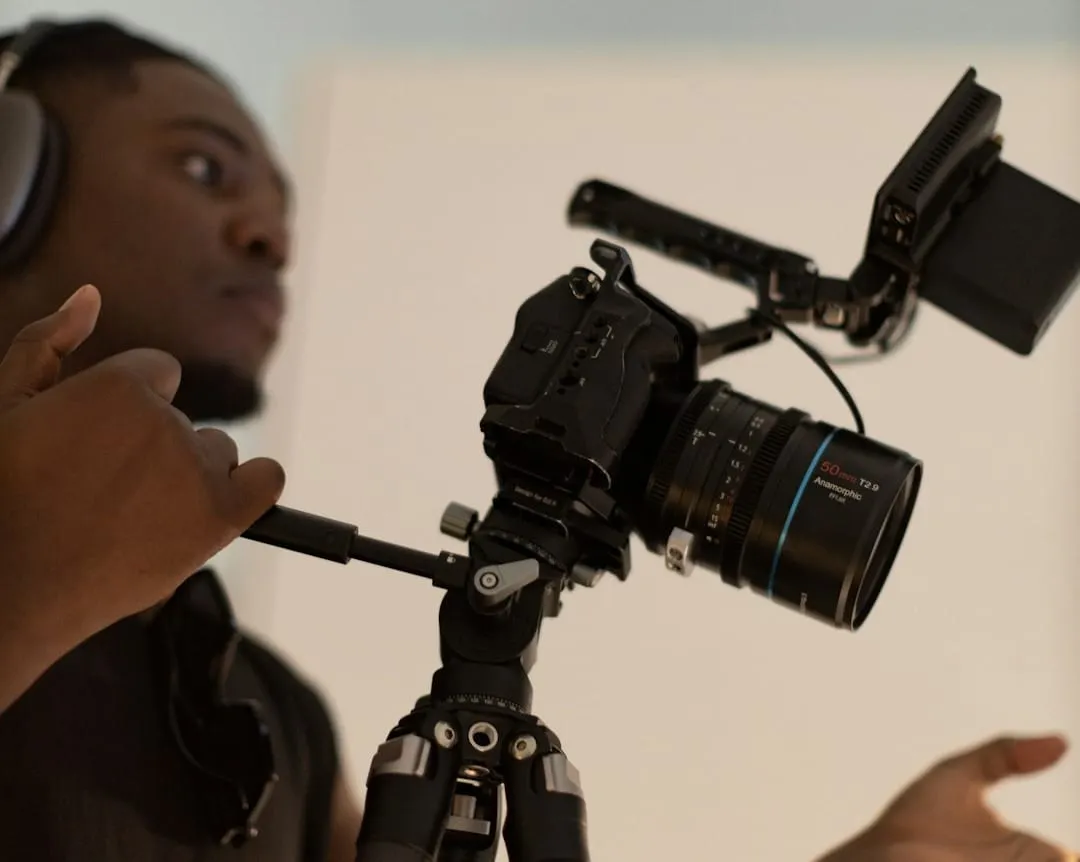

In the world of independent film and high-end video production, the primary challenge is often making a limited budget look like a multi-million dollar venture. Director Colin McIvor recently demonstrated a masterclass in this approach during the production of No Ordinary Heist.
By anchoring the production to a single farmhouse and transforming it into four separate scripted locations, McIvor utilized creative geography to stretch every dollar.
This strategy, often referred to as a contained production, is a powerful tool for creators who need to maintain high output without the logistical nightmare of frequent company moves. For small businesses, educators, and indie creators, understanding how to maximize a single physical space can be the difference between a project being greenlit or stalled.
Strategic Location Selection and Creative Geography
The secret to a successful single-location shoot lies in the initial scout. When McIvor chose the farmhouse for No Ordinary Heist, he was not just looking for one set; he was looking for a versatile environment that could be partitioned into distinct visual worlds. Creative geography involves using clever shooting angles and diverse production design to make different rooms or even corners of the same room appear to be miles apart.
By staying in one location for several shooting days, the production team eliminates the time-consuming process of packing equipment, transporting the crew, and resetting at a new site. In a typical production day, a "company move" can take three to five hours, effectively eating up a significant portion of the creative window. Eliminating these moves allows for more takes, better lighting setups, and more focus on performance.
 Staff Report
The Role of Production Design in Transforming Spaces
A single location only works if the audience believes the characters have moved to a new environment. This is where the collaboration between the director and the design department becomes critical. Changing wall textures, furniture arrangements, and lighting schemes can fundamentally alter the perceived geography of a house or office.
For a business producing internal training videos or marketing content, this might mean using one office suite to represent a boardroom, a breakroom, and a customer service hub. By rotating the camera 180 degrees and swapping out background props, a single room provides multiple "looks." This method ensures visual variety in the final edit, which is essential for keeping viewers engaged in longer-format video content.
Technical Efficiency and Workflow Advantages
McIvor noted that using the Arri Alexa system provided a reliable industry-standard workflow that integrated well with the logistical benefits of staying put. When the equipment stays staged in one central hub, the technical crew can maintain a more consistent lighting and audio environment. This stability reduces the risk of continuity errors and technical glitches that often arise when gear is frequently moved and reconfigured.
Furthermore, a contained shoot allows the sound team to better control the acoustic environment. Once the baseline noise of a location is understood and managed, capturing clean dialogue becomes significantly easier across all scenes. This is a vital consideration for podcasters and video creators who may not have access to professional sound stages but need to produce professional-quality audio.
Staff Report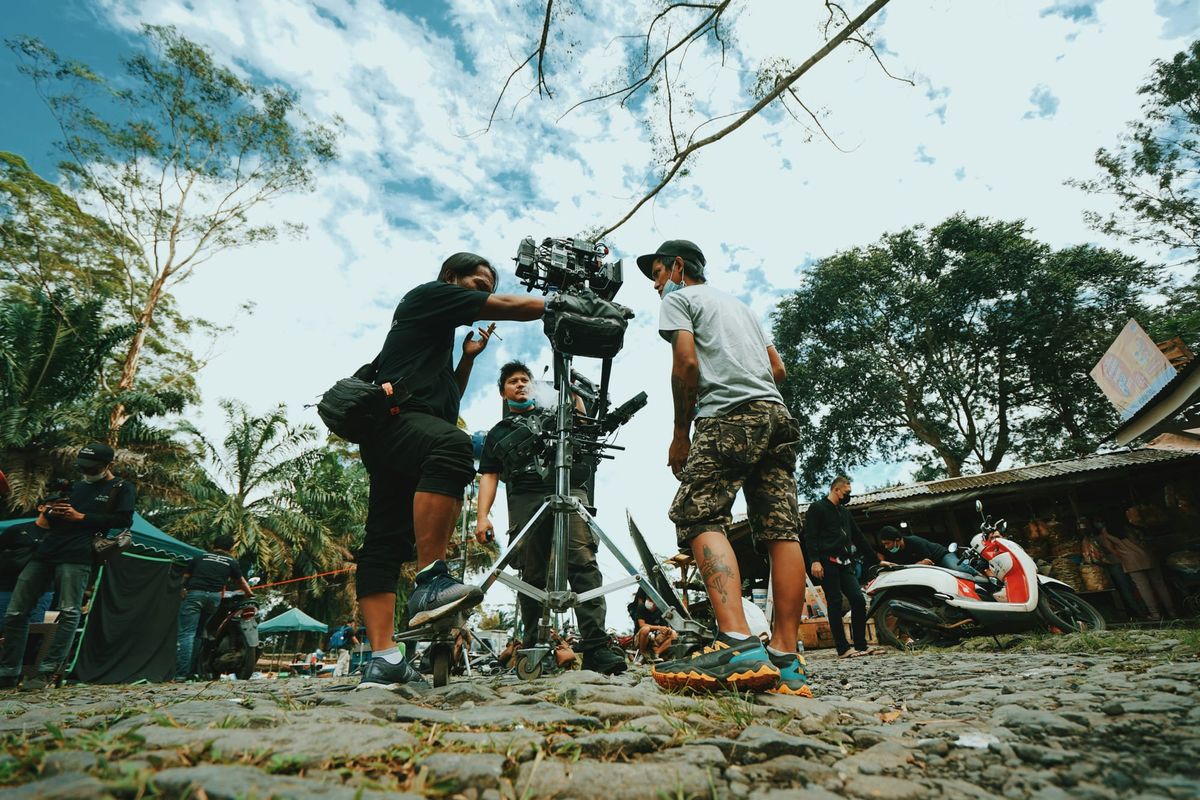
Investing in Talent and Time Over Logistics
The ultimate benefit of the single-location strategy is the redistribution of funds. Money saved on location fees, permits, and transportation can be reinvested into areas that directly impact the screen: higher-quality equipment rentals, more experienced crew members, or better post-production services.
McIvor emphasizes that while constraints are a constant in indie production, they often force a level of ingenuity that improves the final product. By focusing on a strong script that suits a contained environment, creators can produce high-stakes, professional-looking content that rivals larger productions. Whether filming a thriller or a series of educational modules, the ability to turn a single space into a versatile production hub is a vital skill for modern media storytellers.
For those looking to explore more about optimizing their production environment, articles on scouting tips and location management offer further insights into making the most of every set. Through careful planning and a designer's eye, any location can be transformed into a narrative engine for effective storytelling.