Liberated Syndication Inc., commonly known as Libsyn, has announced a significant expansion of its video podcasting capabilities, making video publishing available across all hosting plans. This update allows creators to distribute and monetize both audio and video content from a single dashboard, reflecting the industry's shift toward multi-format storytelling.
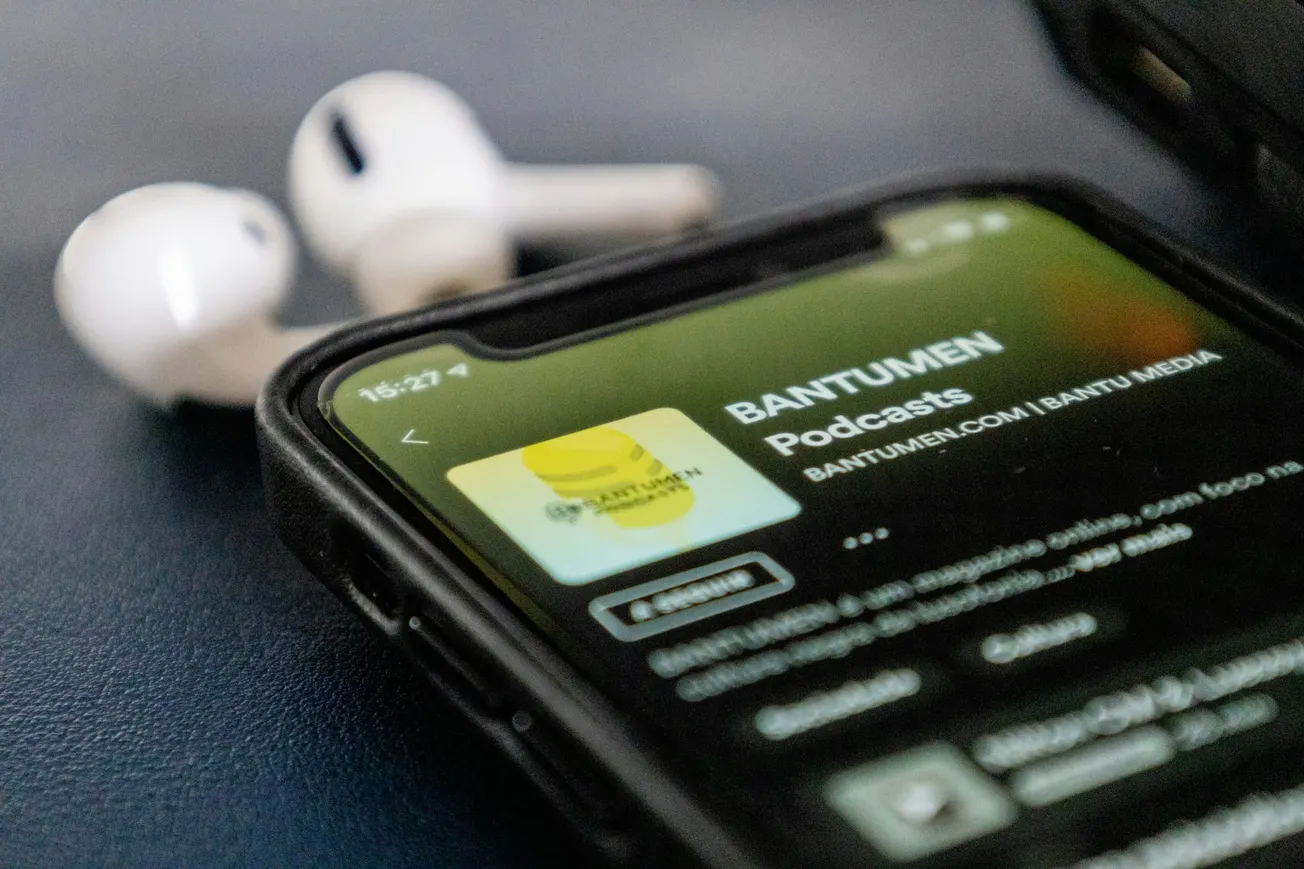
A central component of this rollout is the completed integration with the Spotify Distribution API, enabling direct video delivery to one of the world's largest streaming audiences.
The move aims to lower the barrier to entry for video podcasting by providing professional-grade tools to independent creators and businesses alike. By removing the technical and financial hurdles typically associated with high-bandwidth video hosting, the platform seeks to empower its user base to reach audiences on visual-centric platforms without the need for multiple hosting providers.
 Staff Report
Seamless Cross-Platform Video Distribution
The core advantage of the new system is the ability to manage diverse distribution channels from one location. Effective immediately, Libsyn users can publish video episodes to Spotify and YouTube. This integration simplifies the workflow for content teams who previously had to manually upload video files to social platforms while managing separate RSS feeds for audio directories.
By utilizing the Spotify Distribution API, Libsyn ensures that video content is natively supported within the Spotify app, providing a consistent experience for listeners who switch between watching and listening. Furthermore, Libsyn has confirmed active collaboration with Apple on its upcoming HLS video rollout. This partnership suggests that automated video distribution to Apple Podcasts will soon be integrated, further expanding the reach for creators on the platform.
Monetization Opportunities for Video Content
The expansion of video tools is closely tied to Libsyn’s updated monetization strategy. The company has removed minimum download requirements for its Automatic Ads program, making revenue generation more accessible for smaller shows and niche business podcasts.
Creators can now incorporate programmatic advertising into both their audio and video streams, ensuring that their monetization efforts scale alongside their audience growth.
Staff Report
For businesses, this creates a more robust channel for brand storytelling. By utilizing video, companies can better showcase products, conduct visual demonstrations, and build deeper trust through face-to-face communication.
The ability to track these interactions through IAB-certified analytics allows marketing teams to measure the performance of video episodes with the same precision they apply to traditional audio metrics.
Simplifying Workflows for Content Teams
To assist creators in making the transition to video, Libsyn provides built-in tools such as audio-to-video conversion. This feature allows audio-only podcasters to automatically generate video files with static or dynamic artwork, which can then be published to YouTube. This ensures that even teams with limited video production resources can maintain a presence on video platforms.
Additionally, the platform's multi-user management features support collaboration for larger content teams. Up to five users can access a single account to manage uploads, review transcripts, and monitor social media scheduling. These organizational tools are designed to reduce the administrative friction of maintaining a high-frequency publishing schedule across multiple formats.
Accessibility and Industry Impact
The decision to offer video hosting starting at industry-competitive rates signals a push for democratization in the media space. As platforms like Spotify and YouTube continue to prioritize video content in their discovery algorithms, creators who lack video capabilities risk losing visibility.
By making these tools standard across all plans, Libsyn is positioning its users to stay relevant in a landscape where video is no longer an optional add-on but a fundamental component of audience engagement.
As the distinction between traditional broadcasting and podcasting continues to blur, the adoption of unified audio-video workflows represents a logical progression for the medium.
Staff Report
Creators looking to scale their reach can now leverage a singular infrastructure to navigate the complexities of modern digital distribution.