
As the film industry transitioned away from physical 35mm film reels, a new standardized method for delivering content to theaters became necessary. The result is the Digital Cinema Package, commonly referred to as a DCP. A DCP is a collection of digital files used to store and convey digital cinema audio, image, and data streams.
It is the theatrical equivalent of a physical film print, serving as the professional standard for ensuring that a movie looks and sounds exactly as the director intended, regardless of which theater it is screened in.
Unlike consumer video formats such as MP4 or MOV, which are designed for streaming or personal playback, a DCP is a complex folder structure rather than a single file. It typically contains separate files for video, audio, and subtitles, all wrapped in a specialized format known as MXF (Material eXchange Format). This structure allows theater servers to manage large amounts of data efficiently while maintaining the highest possible fidelity.
The Components of a Professional Cinema Package
At the core of every DCP is the image track, usually encoded using the JPEG 2000 compression standard. This allows for incredibly high bitrates and resolutions, typically in 2K or 4K. Because JPEG 2000 is a frame-by-frame compression method, it avoids the motion artifacts often seen in consumer streaming formats. This ensures that fast-moving action sequences remain sharp and clear on massive theater screens.
The audio component is equally vital. DCPs utilize uncompressed linear PCM audio, typically at 24-bit depth and a 48kHz or 96kHz sampling rate. This provides the headroom necessary for the dynamic ranges discussed in contemporary cinema audio delivery specifications. The package also includes an Asset Map and a Packing List, which act as a digital inventory to ensure the cinema server can locate and synchronize every piece of the movie correctly.
Security and the Role of Encryption
One of the most important features of the DCP format is its security capability. Most commercial films are distributed as "encrypted" DCPs to prevent piracy. When a film is encrypted, the theater requires a specific digital key, known as a Key Delivery Message (KDM), to unlock the content. These keys are usually time-sensitive, allowing the film to be played only during a specific window at a specific location.
For small businesses or independent creators looking to showcase their work in a theatrical setting, understanding the KDM process is essential. Even if a video looks perfect on a laptop, a theater cannot play it unless it is wrapped in a compliant DCP. Fortunately, modern video software has made creating these packages more accessible, allowing independent filmmakers to produce their own theatrical masters without needing a massive studio budget.
Standardization and the Global Theater Experience
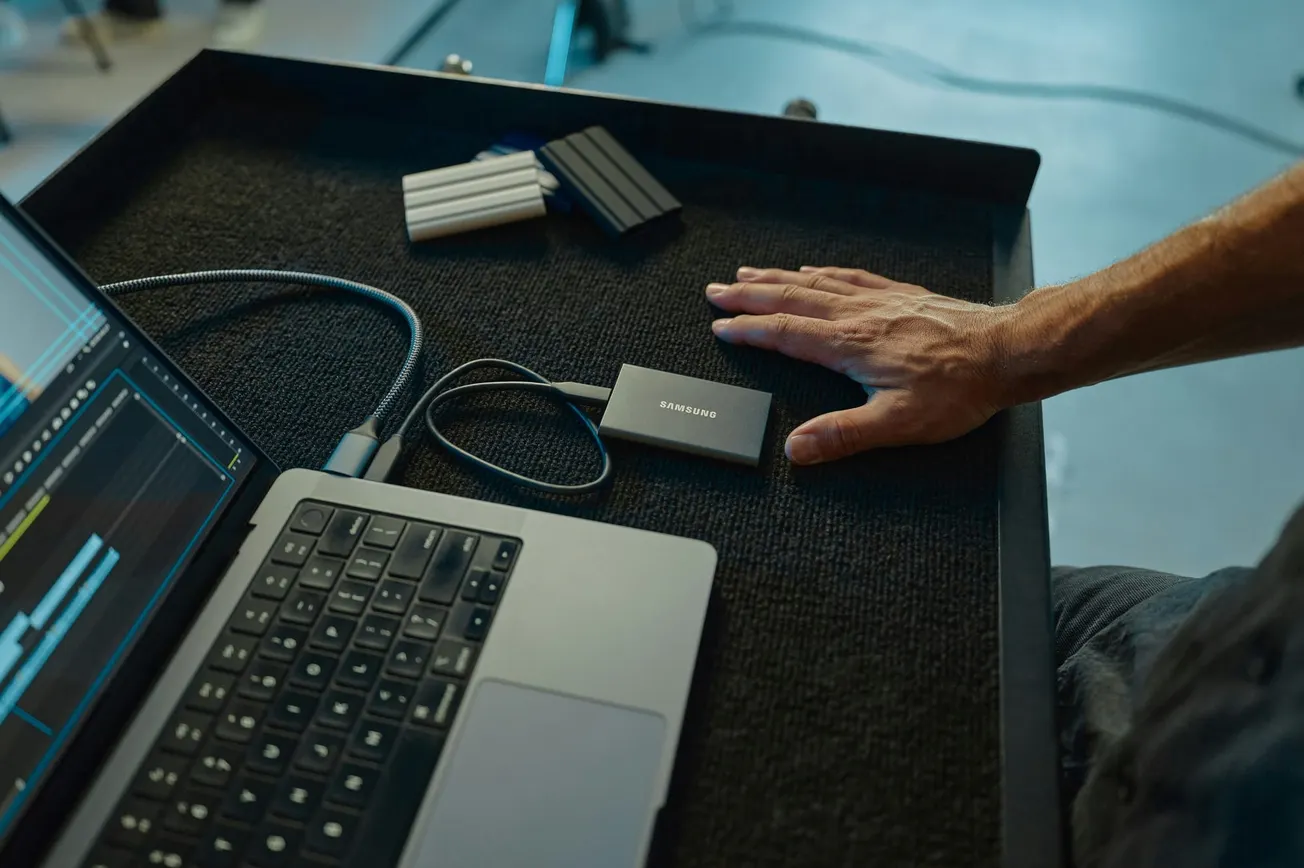
The universal adoption of the DCP standard has significantly reduced the friction in global film distribution. Before digital cinema, shipping heavy 35mm prints around the world was a logistically complex and expensive endeavor. Today, a DCP can be delivered via a ruggedized hard drive or even through a high-speed satellite or fiber internet connection. This scalability has made it easier for international film festivals and independent cinemas to program a wider variety of content.
For educators and corporate teams, the DCP represents the pinnacle of presentation quality. While a standard laptop connection to a projector might suffice for a basic meeting, using a DCP for a major brand launch or a graduation ceremony ensures a level of professional polish that consumer tools cannot match. By adhering to these rigorous technical standards, creators can be confident that their storytelling will translate perfectly from the editing suite to the big screen.
More about film:
 Staff Report
 Staff Report
 Staff Report