

GoPro’s Pivot into the Premium Cinema Market
GoPro has officially moved beyond the niche of action sports with the announcement of the MISSION 1 Series, a new line of rugged cinema cameras. This series represents the most significant shift in the company’s history, aiming to provide professional filmmakers and high-end content creators with the power of a cinema camera in a durable, compact body. Led by the flagship MISSION 1 PRO, the new lineup features a 1-inch 50MP sensor and the new GP3 processor, signaling GoPro's intent to compete at the premium end of the digital imaging market.
The move addresses a long-standing demand from professional creators for a camera that combines high-resolution output with the "mission-critical" reliability GoPro is known for. By offering 8K resolution and specialized "Open Gate" capture modes, the MISSION 1 Series bridges the gap between traditional action cameras and professional-grade cinema rigs. This expansion allows filmmakers to capture high-fidelity footage in extreme environments where traditional cinema equipment would be too bulky or fragile to operate.
Technical Specifications and Sensor Performance
The core of the MISSION 1 Series is the 50MP 1-inch sensor, which offers substantial improvements in low-light performance and dynamic range compared to standard action camera sensors. The MISSION 1 PRO is capable of capturing 8K60, 4K240, and ultra-high-frame-rate 1080p960 video. For those working in anamorphic or flexible aspect ratios, the camera supports 8K30 and 4K120 in Open Gate 4:3 mode, providing editors with maximum vertical data for reframing.
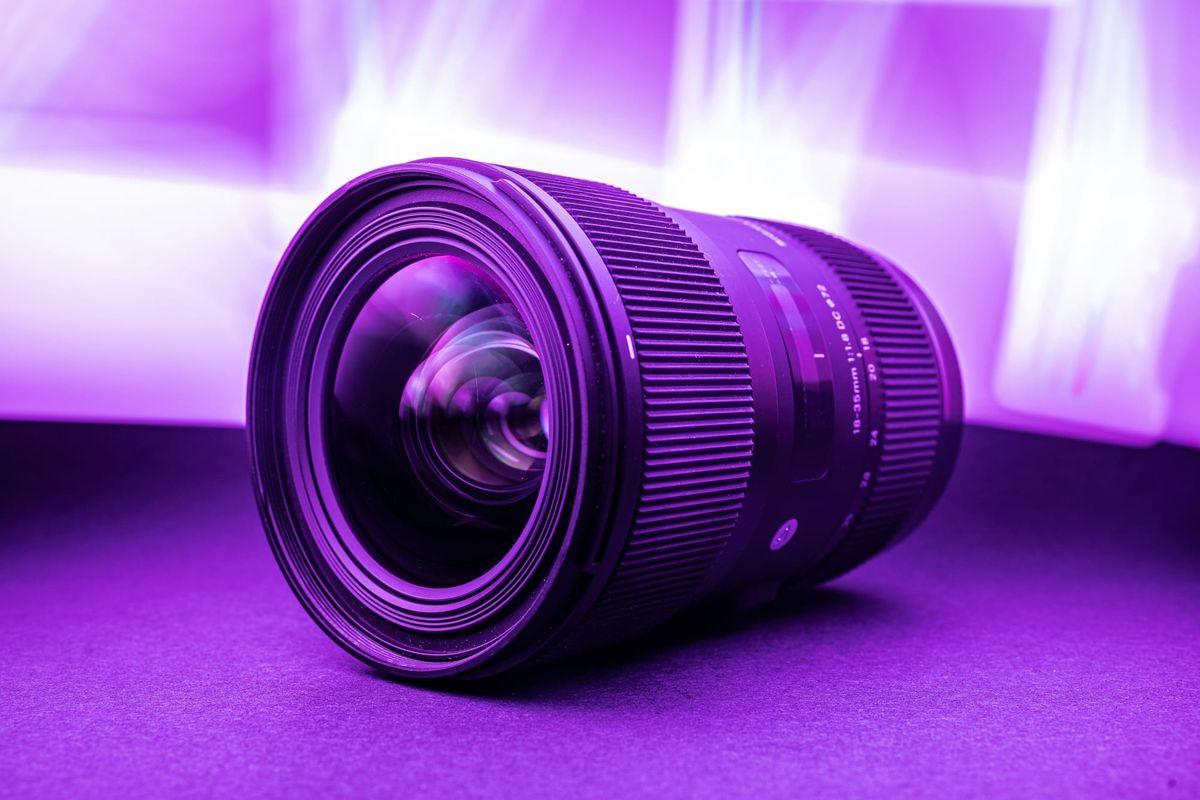
A standout model in the lineup is the MISSION 1 PRO ILS, which introduces an interchangeable lens system (ILS) compatible with Micro Four Thirds (MFT) lenses. This versatility transforms the GoPro into a miniature mirrorless cinema camera, allowing for macro, telephoto, and zoom cinematography without sacrificing the brand’s signature weatherproofing and durability. This technical evolution reduces the friction of complex setups, enabling creators to swap lenses while maintaining a stabilized, ruggedized workflow.
Specialized Editions for Content Creators
GoPro is launching several specialized bundles to cater to different production needs. The "Grip Edition" includes a versatile cage and ergonomic handle for run-and-gun street photography and vertical video capture. The "Creator Edition" expands the unit with a Media Mod for I/O port expansion, the Volta 2 battery grip for extended runtimes, and a wireless microphone kit for professional-grade audio. These configurations emphasize a holistic approach to production, integrating audio and power management directly into the camera system.
For maximum stabilization, the "Ultimate Creator Edition" incorporates the Fluid Pro AI gimbal. This accessory uses artificial intelligence for subject tracking and stabilization even in extremely low-light conditions. By integrating AI-driven tools into the hardware, GoPro is helping content teams scale their output quality without needing a large crew. This focus on "all-in-one" professional systems makes high-end cinematography more accessible to small businesses and independent filmmakers.
The Future of High-Speed, Rugged Filmmaking
The introduction of the MISSION 1 Series signifies a broader trend in the industry toward "rugged cinema." As digital storytelling becomes more adventurous and fast-paced, the tools must adapt to survive harsh conditions while delivering theater-quality visuals. The use of a 1-inch sensor in such a small form factor sets a new performance bar for thermal management and battery life, two areas where compact cameras have traditionally struggled.
Filmmakers and production teams can now incorporate these cameras into professional workflows as B-cameras or primary units for high-risk shots. The ability to capture 8K RAW photos and high-bitrate video in a device that fits in a pocket reduces the logistical burden of travel and location scouting. As these tools become available, the boundaries between independent creator content and mainstream cinema will likely continue to blur.
More about cameras:
 Staff Report
 Staff Report
 Staff Report