
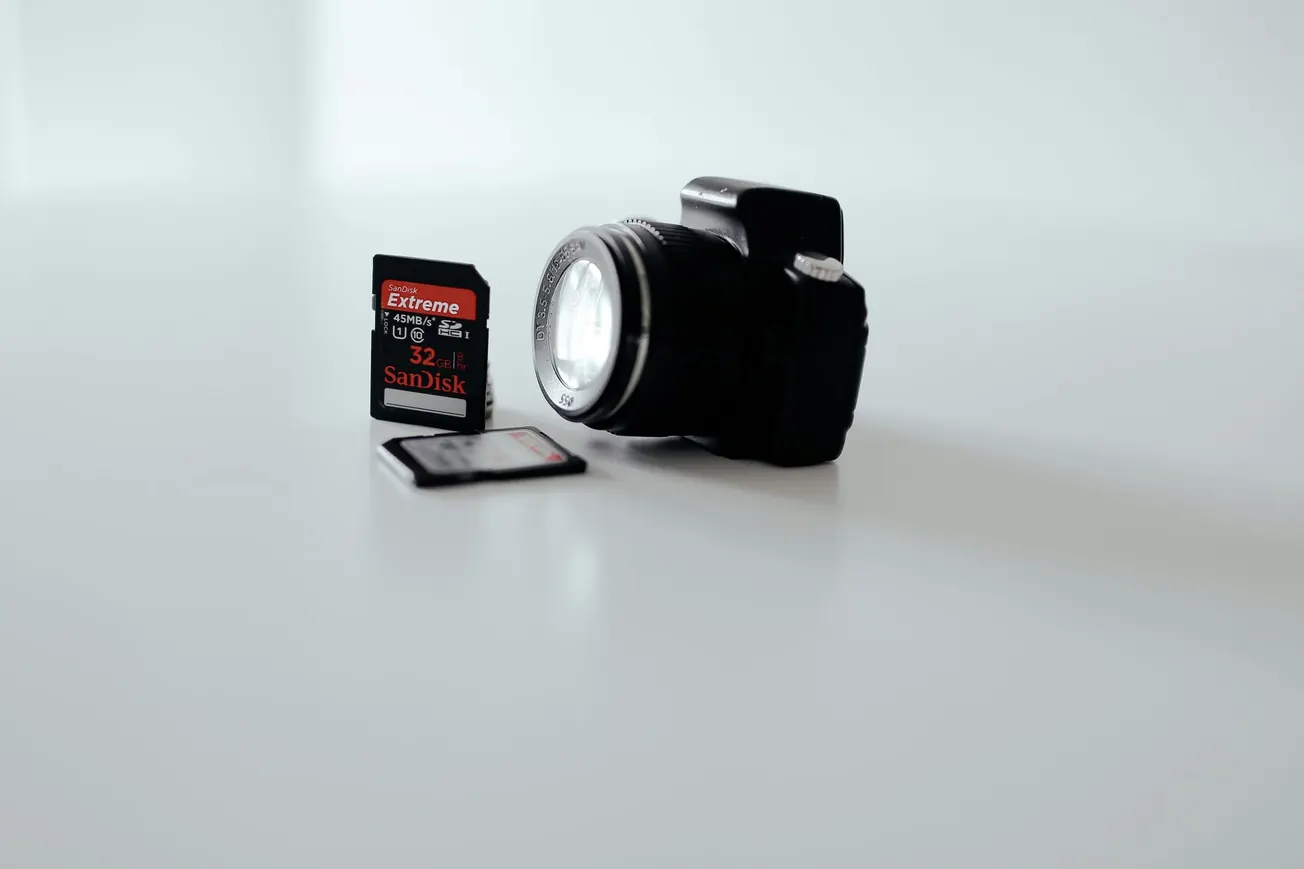
The digital photography landscape is currently witnessing a paradoxical shift. While smartphone manufacturers compete to deliver higher megapixel counts and increasingly complex computational photography, a growing segment of creators is moving in the opposite direction.
The Paper Shoot camera, a minimalist device made from sustainable materials like stone paper, has emerged as a significant trend by removing the screen and complex menus typically associated with digital imaging. This shift highlights a broader movement toward mindful content creation and the intentional use of lo-fi aesthetics in modern marketing.
For businesses and educators, the appeal of a screen-free camera lies in its ability to eliminate the friction of constant digital distraction. When a creator uses a smartphone to capture content, they are immediately tethered to notifications, apps, and the urge to edit or share instantly.
By utilizing a device that requires the user to wait until they are at a computer to view their work, the creative process becomes more intentional. This "shoot now, see later" workflow mirrors the traditional film experience while maintaining the convenience and cost-effectiveness of digital storage.
Bridging the Gap Between Film Aesthetic and Digital Speed
One of the primary drivers behind the popularity of minimalist digital cameras is the desire for a specific visual character. Modern smartphone photos are often criticized for appearing "over-processed" due to aggressive AI sharpening and noise reduction.
In contrast, the Paper Shoot camera uses a 20MP CMOS sensor that produces images with a soft, film-like grain and natural color palettes. This aesthetic is highly sought after in current social media marketing, where authenticity and a "behind-the-scenes" feel often outperform highly polished, sterile imagery.
The technical simplicity of these devices—often featuring just one button and a simple four-way filter switch—makes them highly accessible. For small businesses, this reduces the training time required for team members to contribute to a brand’s visual library.
Whether capturing black and white candids or warm-toned office culture shots, the built-in filters allow for a consistent look without the need for advanced editing software or complex color grading workflows.
Practical Applications for Event Marketing and Branding
Beyond personal use, these cameras are finding a place in corporate strategy and event marketing. Because the outer cases are made of customizable stone paper, businesses can print their logos or campaign designs directly onto the hardware. This transforms the camera from a simple tool into a brand ambassador.
At tradeshows, weddings, or team-building events, these cameras serve as a durable, eco-friendly alternative to disposable film cameras, providing guests with a unique experience while ensuring the host organization receives high-quality digital files later.
The sustainability factor also aligns with modern corporate social responsibility goals. Unlike traditional disposable cameras that contribute to plastic waste, these devices use rechargeable AAA batteries and standard SD cards. This long-term usability, combined with a biodegradable casing, offers a compelling narrative for brands that prioritize environmental impact.
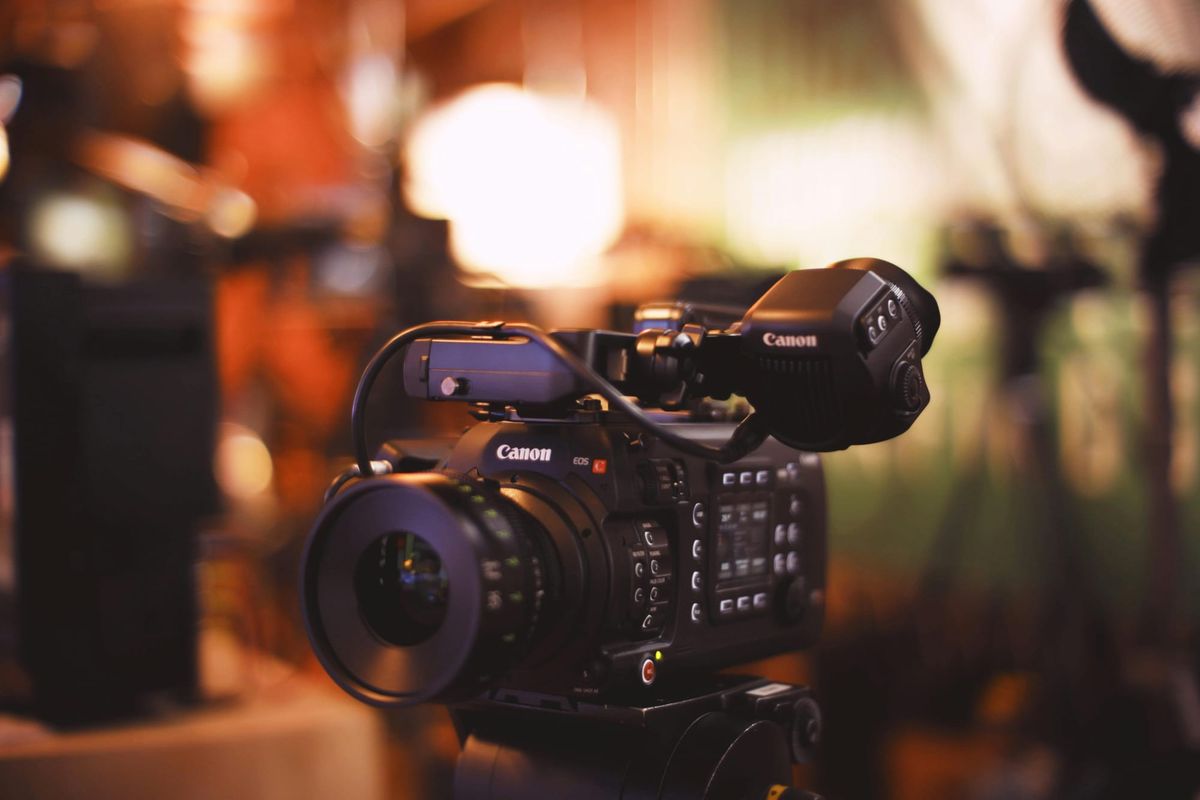
For organizations looking to scale their content production, having a fleet of these lightweight, pocketable tools allows for a wider range of perspectives to be captured without the high cost of traditional video equipment.
Workflow Efficiency and Creative Focus
The absence of a screen on the back of the camera is often its most debated feature, but for many, it is its greatest strength. It forces the photographer to focus on composition and the moment at hand rather than obsessing over the result on a small LCD.
This can be particularly beneficial for educators and content teams who need to remain present during workshops or live events. The lack of an instant preview encourages a higher volume of candid, un-staged shots that often capture the true essence of a story more effectively than posed photos.
Integrating these lo-fi tools into a broader media strategy does not mean replacing high-end production gear. Instead, they act as a complementary layer. A marketing team might use professional video software for a flagship product launch while simultaneously deploying minimalist cameras to capture the raw, human elements of the project.
This multi-layered approach to storytelling provides a richer, more relatable brand narrative that resonates with audiences tired of traditional advertising.
Navigating the limitations of minimalist hardware—such as reduced low-light performance and fixed focus—actually encourages more creative problem-solving in photography. By working within these constraints, creators can develop a more disciplined eye for lighting and framing.
As the media landscape continues to evolve, the success of screen-free digital tools suggests that the future of storytelling may not just be about having more technology, but about having the right technology to stay focused on the story itself.
More about cameras:
 Staff Report
 Staff Report
 Staff Report