

The Digital Advertising Shift Toward Artificial Intelligence
Recent financial reports from industry giants Meta and Google indicate a significant surge in advertising revenue, largely attributed to the integration of artificial intelligence across their platforms. Meta recently reported a 25% increase in revenue, while Google’s parent company, Alphabet, saw a 15% rise in its most recent quarterly earnings.
This growth suggests a fundamental shift in how digital content is discovered, funded, and promoted. For businesses and creators using video and audio as primary communication tools, these trends signal a need to adapt content strategies to align with AI-driven discovery engines.
The surge in revenue is not merely a result of increased spending but reflects the effectiveness of AI-enhanced ad targeting and creative tools. Platforms are increasingly using machine learning to automate the placement of video ads and to optimize creative assets in real-time.
This reduces the technical barrier for small businesses that may not have dedicated media buyers, allowing them to compete more effectively in the digital marketplace. Understanding these underlying mechanisms is essential for anyone looking to scale their reach through paid or organic video content.
How AI Integration Impacts Video Production Workflows
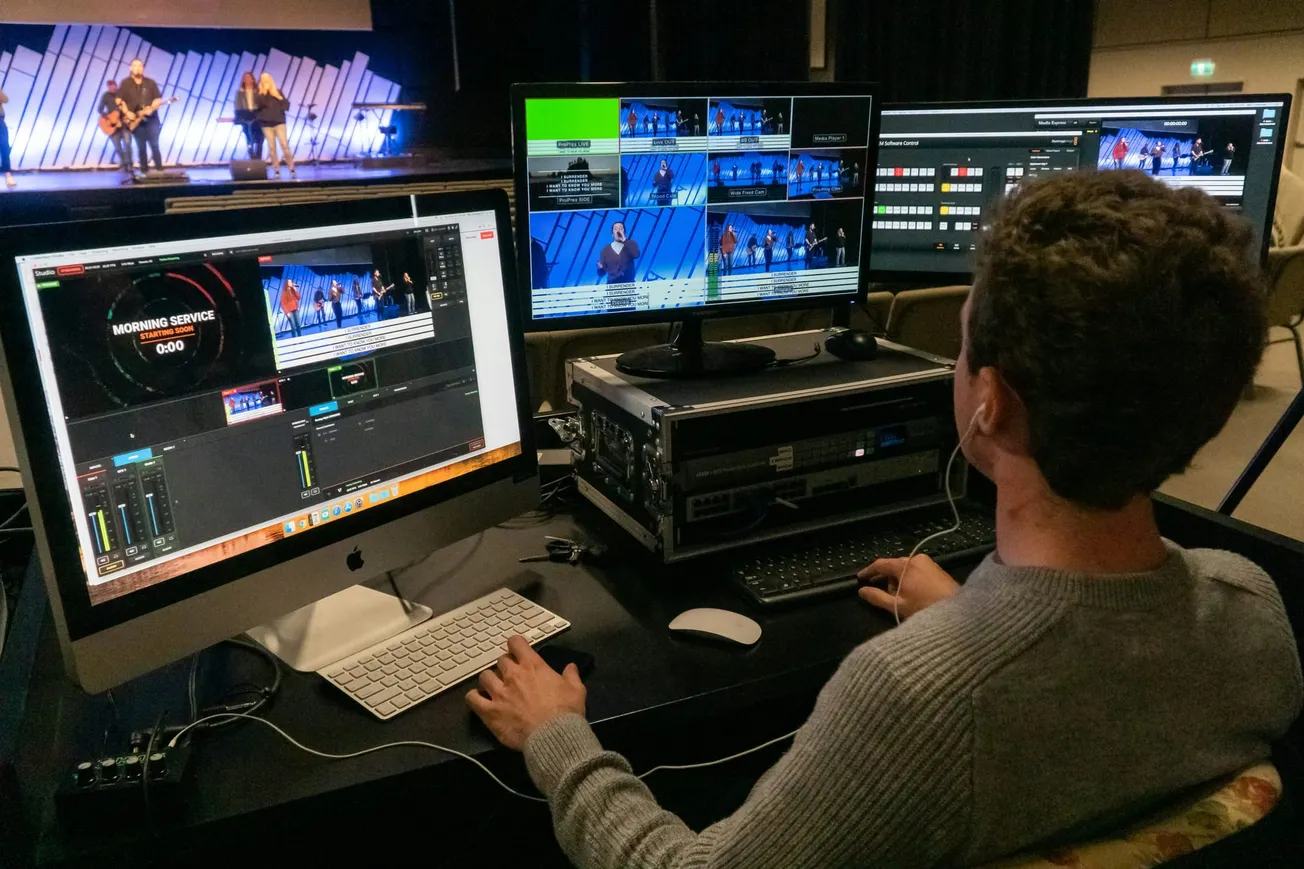
As platforms like Meta and Google prioritize AI-generated or AI-optimized content, the production process for creators is also evolving. AI tools are no longer just for backend algorithms; they are increasingly present in the editing suite. Tools that automate transcription, noise reduction, and video framing allow teams to produce high-quality output with fewer resources.
This shift supports the mission of PodcastVideos.com to eliminate friction in storytelling by making sophisticated production techniques accessible to a broader audience.
The rise in ad revenue also highlights the growing importance of short-form video.
Both Meta and Google have leaned heavily into formats like Reels and YouTube Shorts, using AI to match these clips with the most relevant viewers. For educators and businesses, this means that the ability to repurpose long-form podcasts into concise, high-impact video segments is no longer optional. It is a vital component of a modern distribution strategy designed to capture attention in an AI-curated feed.
Economic Implications for Small Businesses and Educators
While the financial growth of big tech companies appears robust, the broader economic picture remains complex for many small businesses. High advertising costs can still be a barrier, even if the tools are more efficient. However, the democratization of AI-driven production software offers a silver lining. By leveraging internal tools for video equipment setup and audio software optimization, organizations can reduce their reliance on expensive third-party agencies.
The trend toward AI-driven advertising also emphasizes the value of owned media. As third-party cookies phase out and platforms become more automated, building an authentic brand presence through consistent podcasting and video series remains a stable way to maintain audience loyalty. Businesses that focus on providing genuine value through educational content often find that AI algorithms are more likely to reward their transparency and relevance, leading to better organic performance without skyrocketing ad spend.
Future Proofing Content for an AI Driven Landscape
To remain competitive, creators must stay informed about how platforms are evolving. The current trajectory suggests that AI will continue to play a larger role in content moderation, distribution, and even creation. Journalists and industry analysts at Marketing Dive note that while the revenue numbers are soaring, the long-term transparency of these AI systems is still being questioned. Creators who maintain a high standard of accuracy and human-centric storytelling will likely fare better than those who rely solely on automated generation.
The focus should remain on creating high-quality audio and video that solves problems for the target audience. Whether it is a business using video for internal training or a creator launching a new podcast, the goal is to use these emerging tools to enhance the human element of the story rather than replace it.
By adopting efficient workflows and understanding the data-driven nature of modern advertising, creators can navigate the blurry big-picture landscape with confidence.
Navigating the transition into an AI-enhanced media environment requires a balance of technical adoption and strategic planning. As Meta and Google continue to refine their models, the opportunity for creators to reach global audiences has never been greater. Staying updated on the latest in video software and recording techniques ensures that businesses remain at the forefront of this digital evolution.


