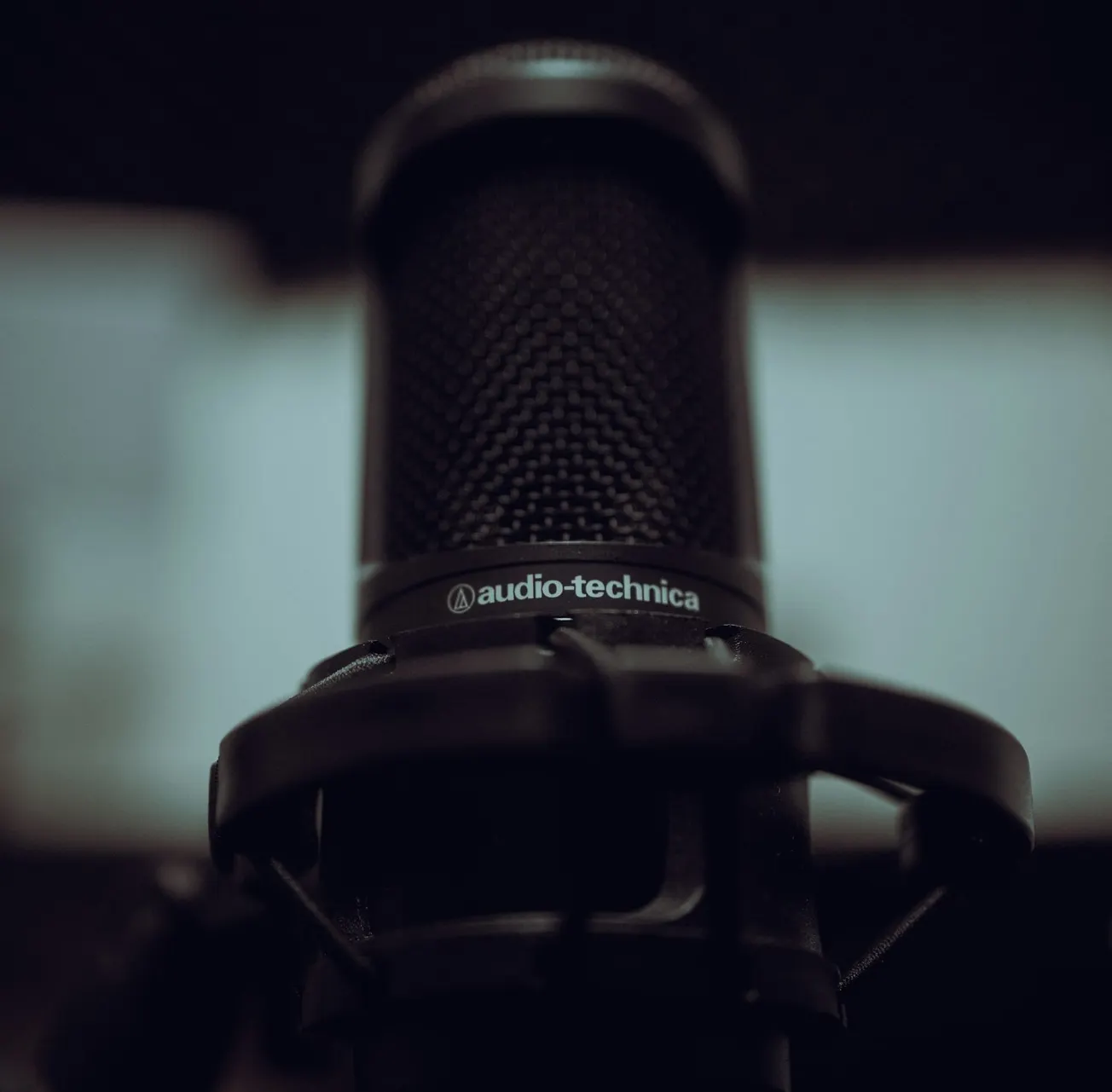


Executing high-stakes corporate broadcasts or virtual shareholder meetings leaves zero room for unexpected technical hardware malfunctions. A sudden wireless interference spike or a dead microphone battery can immediately derail a multi-million-dollar presentation.
Relying on a single primary sound capture channel creates an operational single point of failure that compromises corporate communications security. Implementing a parallel, redundant backup recording workflow guarantees uninterrupted signal transitions if primary hardware components fail.
Configuring Dual Capsule Microphone Options
Building redundancy begins directly at the sound source by equipping main presenters with specialized dual-capsule lavalier microphones. These compact physical units house two separate microphone elements and independent cables inside a single wearable housing clip.
The primary wire routes directly to the main wireless transmitter pack, while the secondary wire connects to an independent pocket field recorder. If the main wireless frequency drops entirely, post-production teams possess a pristine, local duplicate track of the event speech.
Establishing Separate Hardware Capture Paths
A true redundant workflow requires splitting audio feeds across distinct electrical circuits and digital processing devices. Sending all audio signals to a single computer running studio software remains incredibly risky if the operating system crashes.
Production teams should split the master audio console outputs to feed both a primary computer setup and a dedicated secondary hardware recorder. This isolated secondary hardware unit runs on separate battery cells, keeping data safe from power drops.
Calibrating Safety Track Level Inverted Gain
When recording dynamic speakers who switch unpredictably between standard conversational tones and emphatic shouting, digital clipping presents a constant hazard. To prevent permanent distortion, engineers should configure a split safety track mapped at a lower input sensitivity.
Setting the secondary safety channel roughly ten decibels lower than the primary track creates a clean headroom buffer. If the main channel clips during a presentation, editors can seamlessly substitute the clean safety audio file.
Executing Routine Redundancy Testing Protocols
Possessing backup hardware provides minimal protection if content managers fail to test the secondary signal lines prior to launch. True event preparation requires pulling the plug on primary wireless receivers during rehearsals to evaluate how the team responds.
Ensuring the backup audio path switches manually or automatically without creating massive loud pops preserves corporate broadcast continuity. Establishing these standard testing protocols transforms emergency mitigation patterns into predictable operational steps.