

Beyond the Box: Prioritizing Audio Quality in Modern Turntables
The resurgence of vinyl records offers a unique sensory experience, but navigating the modern turntable market can be challenging for creators and audiophiles alike. Many affordable players prioritize aesthetics and convenience features, potentially overlooking the fundamental mechanics crucial for accurate sound reproduction.
Understanding the core components that truly impact audio fidelity is essential for making informed purchasing decisions. This guide will empower you to look past marketing hype and invest in equipment that delivers exceptional sound quality, valuable for content creation, music enjoyment, and archival purposes.
The Vinyl Revival: Style Over Substance?
Vinyl's impressive comeback has seen it outpace CD sales, driven by a diverse audience that often values records as collectibles, decorative items, or tangible fan merchandise. Surveys indicate a significant portion of purchasers do not even own a turntable, highlighting the format's broader appeal beyond pure playback.
Turntable manufacturers have responded to this trend by marketing models around convenience, sleek styling, and compact designs, featuring Bluetooth outputs, built-in speakers, and simple plug-and-play setups. These features aim to make vinyl more accessible and less intimidating for new users.
However, beneath the appealing finishes and wireless connectivity, every turntable still performs the same sensitive mechanical task: spinning the record steadily, holding the cartridge precisely, and isolating unwanted vibrations. Prioritizing superficial features over these fundamental requirements can compromise the audio experience.
Real Innovation Versus Marketing Claims
The terms "next-gen" or "audiophile-grade" frequently appear on budget-friendly turntables, often describing connectivity or design elements rather than genuine improvements in sound fidelity. These labels frequently reflect current marketing strategies more than actual technological advancements within the machine's core function.
Authentic innovation in turntable design typically focuses on solving stubborn playback problems, often found in higher-end equipment. Examples include Technics' Delta Sigma Drive, which ensures smoother, more accurate platter rotation, or Mag-Lev Audio's electromagnetic field suspension, which removes mechanical bearing contact to reduce vibration.
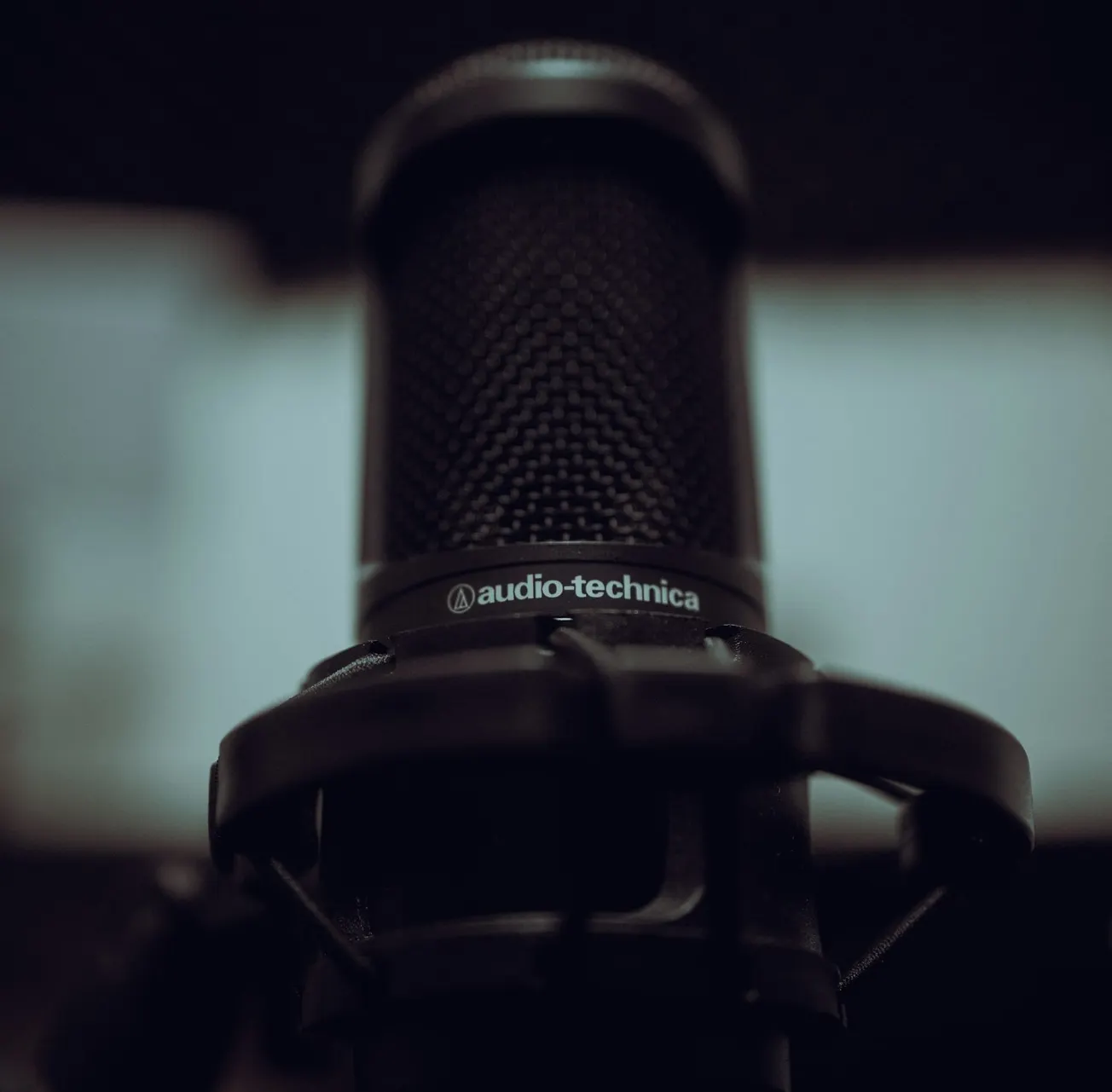
Brands like Rega, Pro-Ject, and Audio-Technica's LP120 series offer more accessible, performance-focused options by prioritizing critical components such as the tonearm, motor, and cartridge path. These manufacturers concentrate on delivering direct improvements to daily playback quality, offering a sensible balance of price and performance.
Critical Components for Authentic Audio Playback
When selecting a turntable for its true audio potential, consider the foundational elements that directly influence sound reproduction. Focusing on these areas ensures a more engaging and accurate listening experience for all your audio endeavors.
- Cartridge and Stylus: These components have the most profound impact on the sound you hear, translating groove movements into an electrical signal. A higher-quality stylus, particularly one with a nude diamond tip, can track grooves more accurately and provide clearer detail.
- Speed Stability: Measured as "wow and flutter," this specification indicates how consistently the platter rotates. Inconsistent speed can cause sustained notes to waver, resulting in a subtle yet noticeable degradation of sound quality.
- Tonearm and Setup: The tonearm precisely carries the cartridge across the record, with its bearing precision, effective mass, and adjustability being crucial for optimal stylus tracking. Proper setup, including correct tracking force, anti-skate, and cartridge alignment, significantly enhances sound stability and control.
- Placement and Isolation: A turntable's performance is highly dependent on its environment. Placing it on a stable, isolated surface prevents vibrations from external sources, like speakers or footfalls, from reaching the stylus and degrading the audio signal.
For creators incorporating vinyl audio into podcasts, video projects, or musical compositions, understanding these elements ensures that source material captures its full sonic richness. This foundational knowledge translates directly to making better equipment choices across all audio and video production.
Investing Wisely in Your Audio Foundation
When making a purchase, treat convenience features such as Bluetooth, USB connectivity, or built-in speakers as secondary considerations. While they offer ease of use, they rarely improve the fundamental mechanical performance that dictates true sound quality.
Instead, prioritize turntables with a well-designed tonearm, a stable motor, and a quality cartridge path, alongside options for future upgrades. This approach ensures your investment yields a more robust, enjoyable, and scalable audio foundation that will serve you well for years, whether for casual listening or professional content creation.
For budgets under $200, saving more or exploring quality used options from reputable brands like Technics or Pioneer is often wiser than buying low-end, all-in-one suitcase players. In the $200-$500 range, models such as the Pro-Ject T1, Rega Planar 1, or Audio-Technica AT-LP120X offer strong performance. As you move into higher tiers, focus on superior motor, bearing, and tonearm quality, ensuring exotic features are matched by genuine acoustic benefits rather than just aesthetics.