

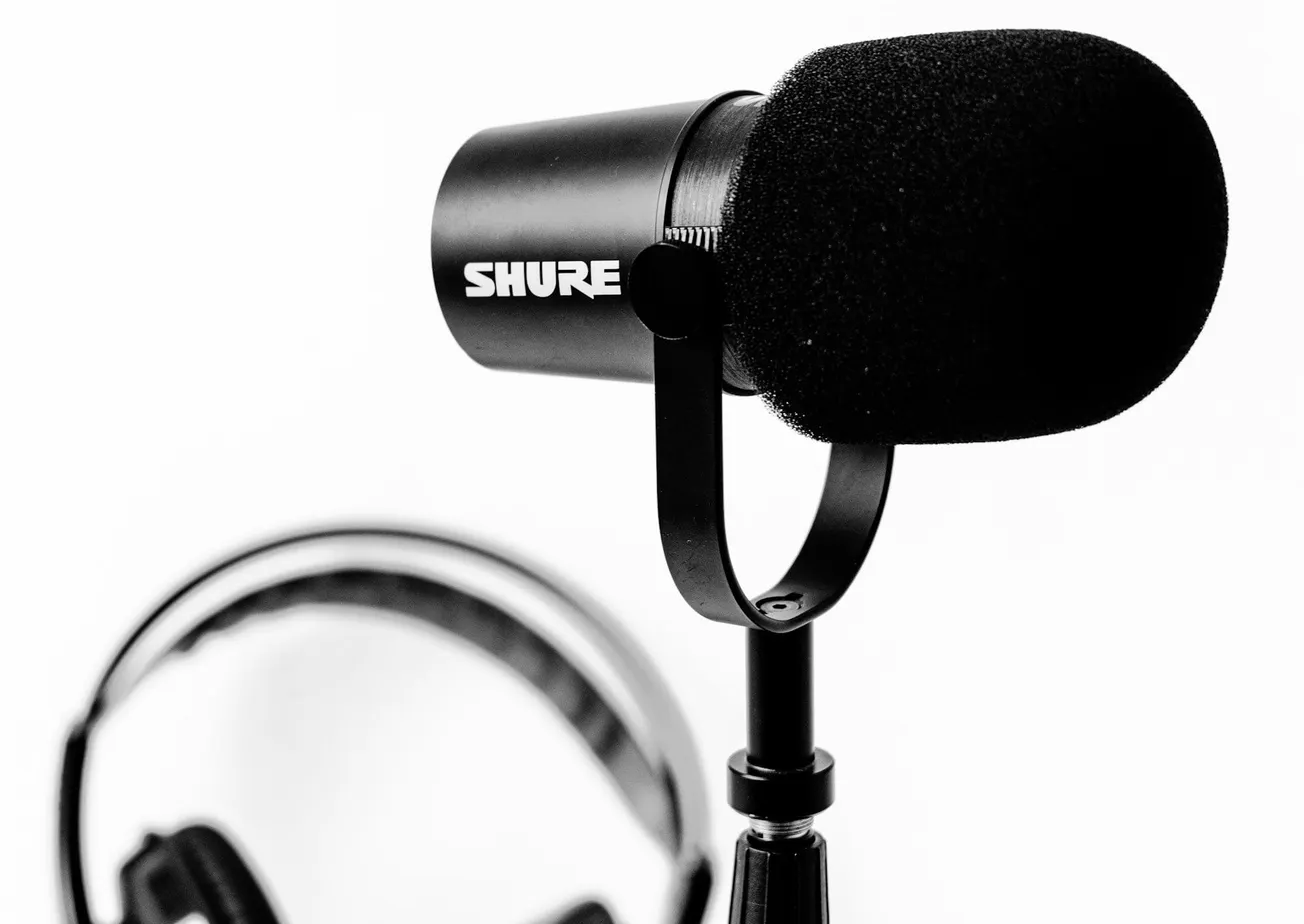
In the world of high-end studio recording, ribbon microphones are prized for their smooth frequency response and natural transient handling. The Shure KSM313 NE stands out in this category by offering a unique dual-voice design that provides two distinct sonic profiles in a single unit.
This microphone represents a significant investment for production teams, educators, and content creators aiming to achieve broadcast-quality sound without heavy post-processing. Understanding its performance, build, and technical requirements helps media professionals determine if it fits their recording workflows.
Understanding the Bidirectional Polar Pattern and Dual Voicing
The Shure KSM313 NE features a bidirectional, or figure-8, polar pattern that captures audio from both the front and rear faces while rejecting sound from the sides. What sets this model apart is its proprietary Roswellite ribbon material, which replaces traditional fragile foil with a high-tensile-strength composite.
This design allows the microphone to withstand extreme sound pressure levels up to 146 decibels, making it highly resilient against wind blasts and sudden volume spikes.
The dual-voice feature utilizes the physical characteristics of the ribbon motor to deliver two different sonic responses. The front lobe of the microphone produces a warm, full-bodied sound that mimics classic ribbon microphones, making it well-suited for electric guitar amplifiers and deep spoken word.
Turning the microphone around to the rear lobe reveals a brighter, more open frequency response with enhanced top-end presence, which is ideal for close-miked acoustic instruments and clear vocal tracks.
Analyzing Studio Performance and Environmental Requirements
Testing across different environments highlights the practical strengths and limitations of the figure-8 configuration. In a professionally treated studio space, the microphone delivers an exceptionally smooth high-end that accepts equalization adjustments well without becoming harsh.
However, when recording in an untreated room, the bidirectional pattern inevitably picks up ambient noise and reflections from behind the microphone body, necessitating careful placement and acoustic management.
Because the Shure KSM313 NE is a passive ribbon microphone, it outputs a relatively low signal level compared to active ribbon models or standard condenser microphones. Achieving an optimal recording level requires a high-quality preamp capable of delivering clean gain without introducing electronic hiss.
Production teams should ensure their audio interfaces can provide sufficient amplification to maintain a low noise floor during quiet spoken word or acoustic performances.
Comparing Technical Capabilities to Industry Standards
When positioned alongside standard broadcasting options like the Shure SM7B or active ribbon alternatives, the KSM313 NE offers a distinctly premium texture.
Active ribbon microphones often require phantom power to boost their internal output, whereas this passive unit relies entirely on external preamplifiers to achieve standard operating levels. This difference means the KSM313 NE provides a purer signal path but demands more robust studio hardware to perform effectively.
The physical build of the microphone features a solid machined-steel chassis and a durable red mesh grille that ensures structural longevity in studio environments. One notable limitation is its internal shock rejection, as the package includes a standard stand adapter rather than a dedicated suspension mount.
To minimize structural vibration from desks or boom arms, users may need to invest in a separate wire-rope shock mount to guarantee isolated audio capture.
Strategic Applications in Content Creation and Corporate Media
For content teams looking to elevate their audio quality, the KSM313 NE serves as a highly versatile tool across multiple formats. Its smooth, non-fatiguing high frequency response makes long-form content like audiobooks, corporate narratives, and educational lectures easy to listen to over extended periods.
Publishers can find additional guides on microphone selection and studio optimization by visiting PodcastVideos.com to improve their production workflows.
By strategically switching between the warm front lobe and the articulate rear lobe, media producers can adapt to different voice talents and instruments without changing microphones. This flexibility streamlines workflow efficiency and maximizes the utility of a single piece of high-end equipment.
While the technical demands of a passive ribbon microphone require careful consideration, the durability and dual sonic character of the Shure KSM313 NE provide substantial long-term value for professional media operations.