The Evolution of Multilingual Podcast Production
The ability to translate video podcasts into multiple languages has shifted from a high-cost luxury to a standard growth strategy for global creators. Traditionally, dubbing required hiring voice actors, booking studios, and manually syncing audio to picture.
In 2026, generative AI engines have streamlined this process, allowing small businesses and content teams to reach international audiences with remarkable speed. By utilizing specialized localization tools, creators can maintain the original speaker's tone and emotion while making their content accessible to non-native listeners.
Distinguishing Between Audio Generation and Video Localization
When selecting tools for a dubbing workflow, it is important to understand the distinction between music generation engines and video localization platforms. While engines like Lyria 3 excel at creating high-fidelity soundtracks, background scores, and vocal tracks from text or image prompts, they are primarily designed for creative composition rather than direct video translation.
For professional video dubbing, creators should look toward specialized platforms like ElevenLabs, HeyGen, or Perso AI. These tools are engineered to handle the specific complexities of localization, such as voice cloning, script translation, and timing alignment. Using the right tool for each stage of production—such as utilizing Lyria 3 for a culturally adapted intro theme and a dubbing engine for the dialogue—ensures a polished, localized viewer experience.
Step-by-Step Workflow for Professional Dubbing
A professional dubbing workflow begins with high-quality source audio. The cleaner the original recording, the more accurate the AI voice clone will be. Once the video is uploaded to a platform like HeyGen or Rask AI, the engine analyzes the speaker's vocal characteristics—including pitch, cadence, and accent—to create a digital twin in the target language.
After the initial translation is generated, human oversight is required to refine the script. AI can occasionally struggle with industry-specific jargon or cultural nuances. Most professional platforms now include a "Dubbing Studio" or "Precision Mode" that allows editors to manually adjust translated text before the final audio is rendered. This step is crucial for maintaining the journalistic integrity and authority of the content.
Achieving Natural Lip Synchronization
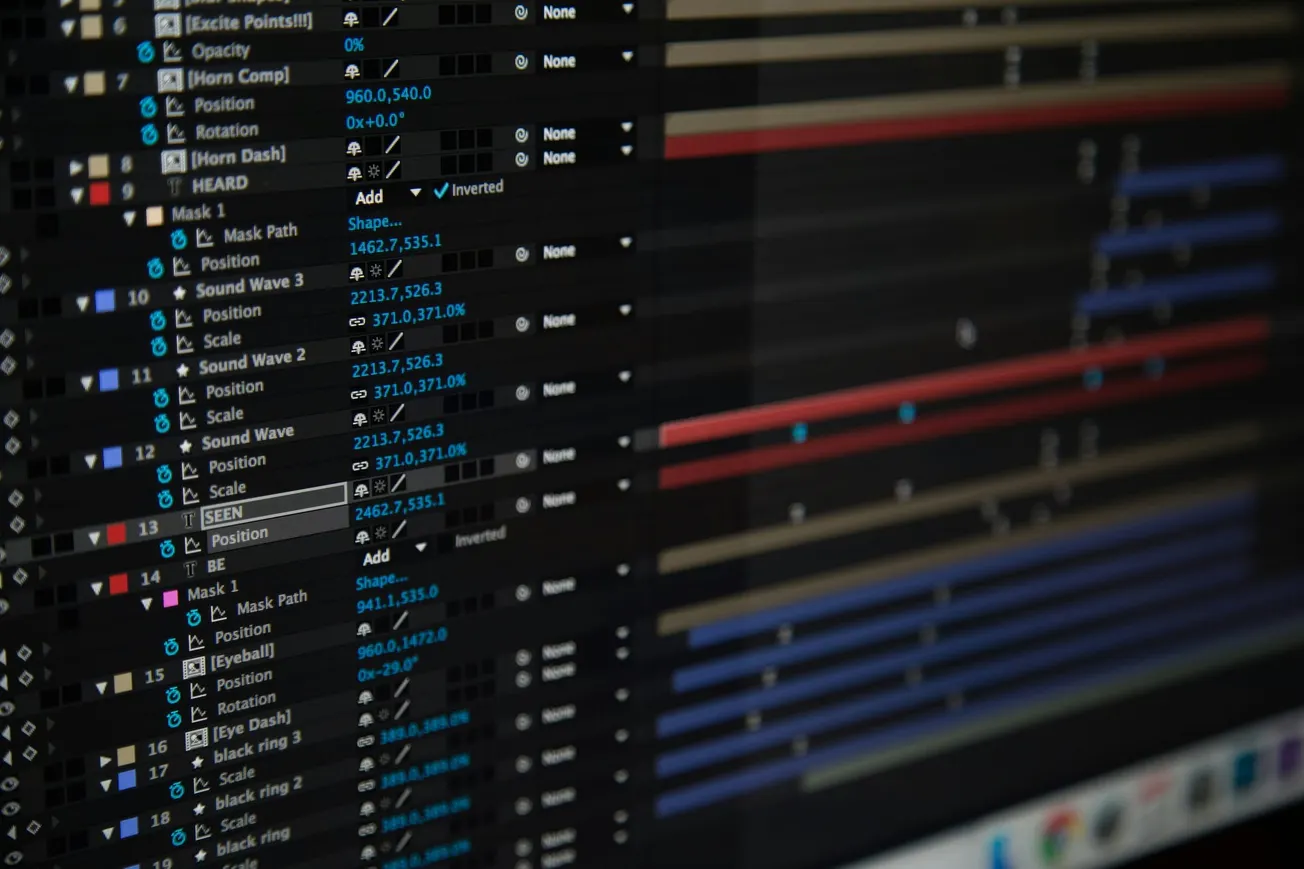
The most significant challenge in video dubbing is the "uncanny valley" effect, where the audio does not match the visual movement of the speaker's mouth. Advanced AI models in 2026, such as those used by Synthesia and HeyGen, now offer frame-accurate lip synchronization. These engines visually re-animate the speaker's mouth to match the phonemes of the new language.
For creators using tools that only provide audio dubbing, such as ElevenLabs, an additional step in a video editor like Adobe Premiere Pro or Descript is necessary. This involves stretching or compressing audio segments to match the original timing of the video, ensuring that emotional beats and transitions remain aligned across all language versions.
Scaling Content Across Global Channels
The ultimate goal of AI-driven dubbing is to reduce the friction of global distribution. Once a master dubbed version is created, content teams can extract short-form clips for platforms like TikTok or Instagram. Because the AI has already cloned the voice and translated the context, generating multilingual social assets becomes a matter of minutes rather than days.
By integrating these automated workflows, businesses can scale their authority in new markets without a proportional increase in production costs. This approach not only broadens the reach of a podcast but also reinforces the brand’s commitment to accessibility and global engagement.
More about AI:
 Staff Report
 Staff Report
 Staff Report