
The Integration of Conversational AI in Video Discovery
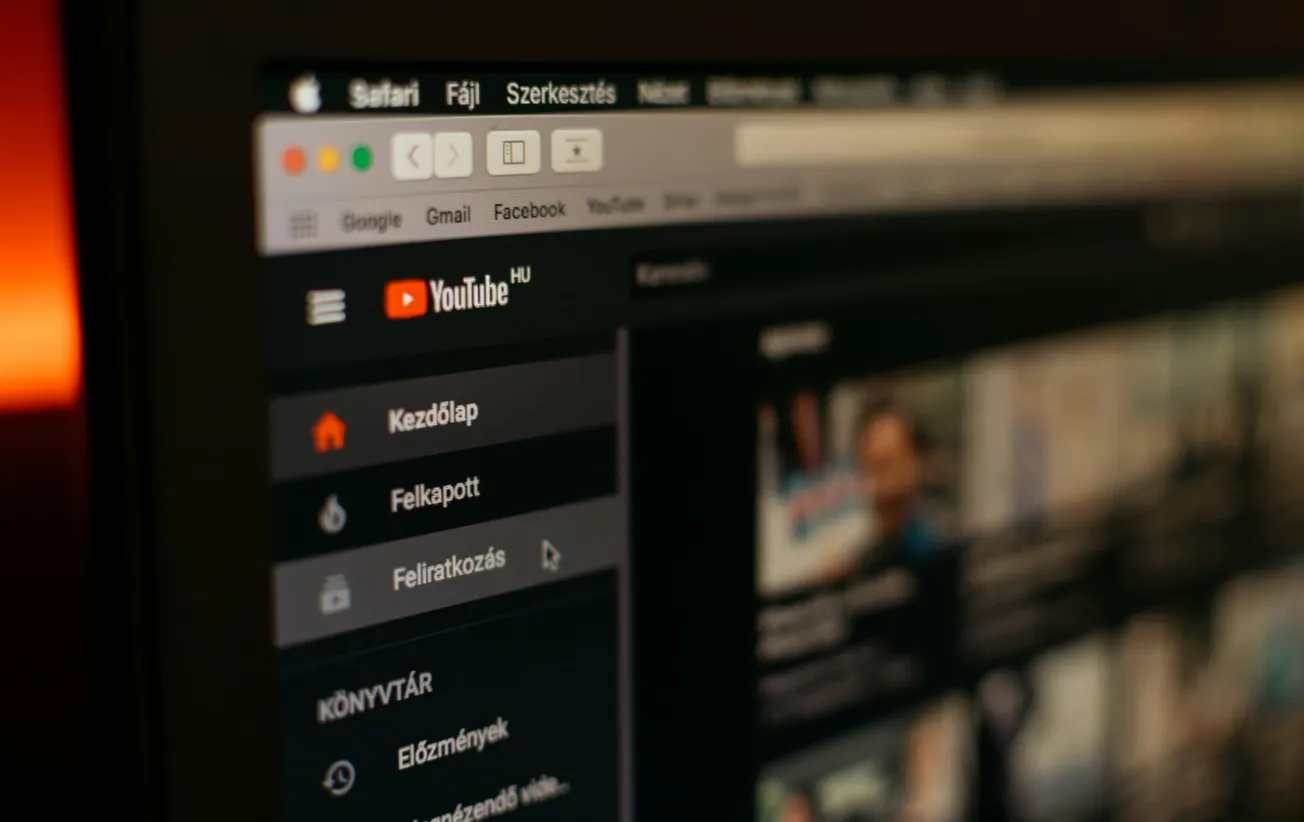
Google has initiated a new experimental phase for its video platform with the introduction of Ask YouTube, a conversational search tool powered by generative artificial intelligence. This feature represents a significant shift in how audiences interact with video content, moving from traditional keyword-based searches to a dialogue-driven experience.
By allowing users to ask complex questions about video topics, Google aims to reduce the time spent scrubbing through long-form content to find specific answers. This evolution aligns with broader industry trends toward Generative Engine Optimization (GEO), where information is synthesized and presented in direct response to user intent.
Functional Mechanics of Ask YouTube
The Ask YouTube feature is currently available as an opt-in experiment for YouTube Premium subscribers in the United States. When a user submits a query through the dedicated interface, the AI analyzes relevant video content to generate a concise text summary.
Unlike standard search results that provide a list of titles and thumbnails, this conversational assistant cites specific videos and often provides direct links to timestamped sections within those videos.
The tool supports a persistent thread, meaning users can ask follow-up questions to refine their search or dive deeper into a specific sub-topic. For example, a user asking about a technical production workflow can follow up by requesting a comparison of the specific tools mentioned in the initial summary. The AI can even generate comparison tables and formatted lists based on the data extracted from multiple video sources.
Implications for Content Creators and Businesses
The introduction of conversational search introduces new variables for video podcasting and brand storytelling. Traditionally, visibility was determined by metadata, thumbnails, and watch time.
With Ask YouTube, a video's value is also measured by its "cite-ability"—how effectively the AI can extract and summarize the information within the audio and visual tracks.
For businesses using video for education or marketing, this highlights the importance of clear, structured communication. Videos that follow a logical progression and use precise language are more likely to be featured as primary citations in AI-generated summaries.
This transition reinforces the need for high-quality audio and transcriptions, as the AI relies heavily on the verbal content to understand the context and accuracy of the information provided.
Navigating the Challenges of AI Accuracy
As with many generative AI tools, Google notes that the quality and accuracy of Ask YouTube responses may vary.
The experimental nature of the tool allows Google to gather user feedback via thumbs-up and thumbs-down ratings to refine the underlying models. For creators, this means there is a temporary period of unpredictability regarding how their content is summarized or attributed.
However, the benefit of being cited in a conversational search result is significant. A cited link often bypasses the traditional search results page, placing the creator's content directly in front of a user who has already expressed a specific need for that information. This high-intent traffic can lead to better engagement rates and stronger brand authority compared to general browsing.
Preparing for a Conversational Search Future
As the experiment progresses toward a potential broader rollout, creators should consider optimizing their content for AI readability. This includes providing detailed video chapters, accurate closed captions, and descriptive titles that reflect the specific problems the video solves. By reducing the friction between the user's question and the video's answer, creators can position themselves as reliable sources in the eyes of both the audience and the AI.
To stay ahead of these shifts in video software and publishing trends, it is essential to monitor how AI-driven discovery platforms evolve. Understanding these tools now allows for a proactive approach to content strategy, ensuring that your video podcasts and brand messages remain accessible in an increasingly conversational digital landscape. For further insights on optimizing your production for modern platforms, visit our guides on marketing and audience engagement.