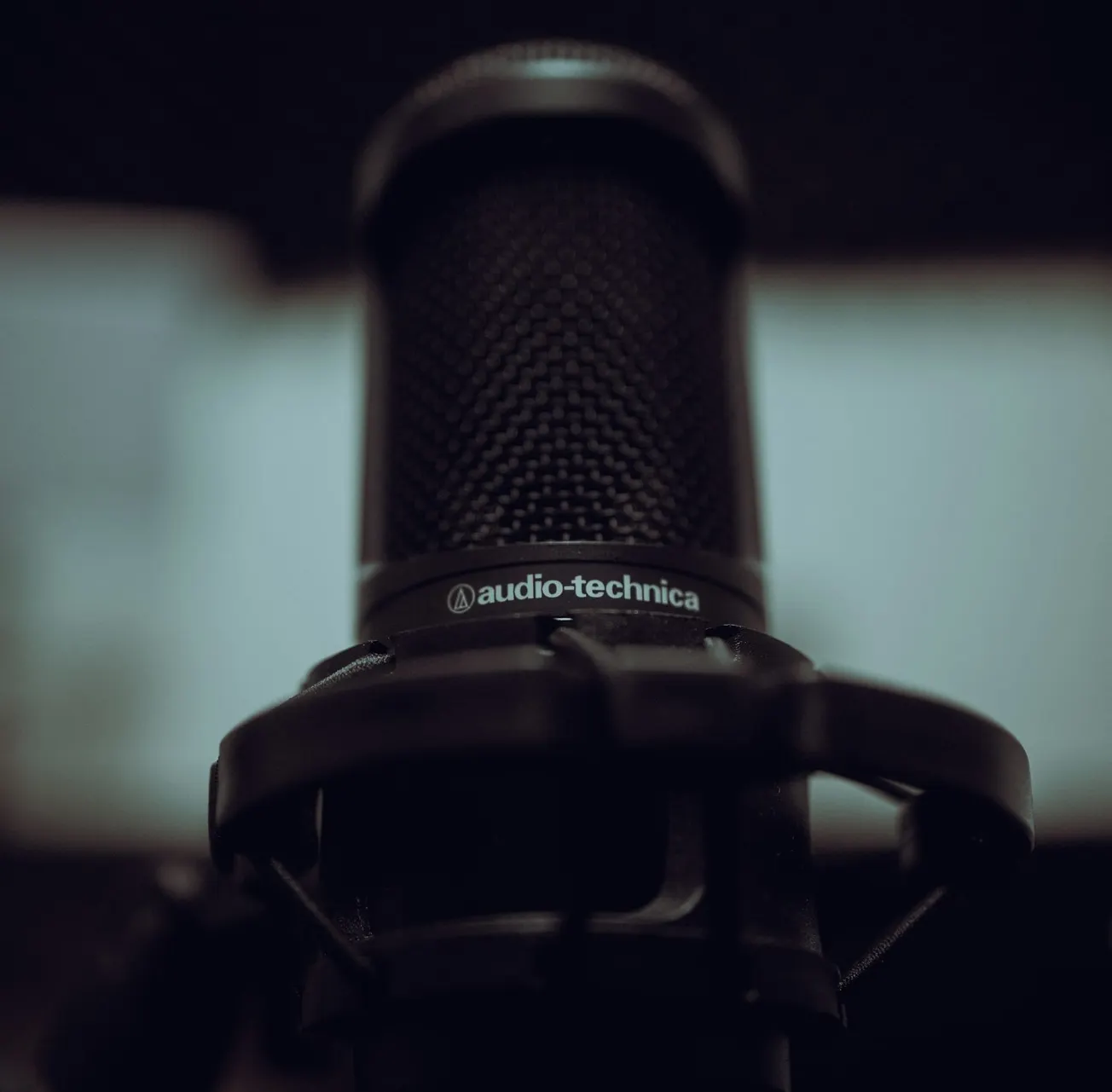


The Shure SM7B is widely considered an industry-standard dynamic microphone for broadcasting, corporate voiceovers, and studio video podcast productions. However, its low native sensitivity means that improper preamp configuration can result in weak, noisy audio signals.
Unlocking the full acoustic potential of this specific microphone requires precise hardware adjustments and careful gain structuring. Following standard optimization steps ensures a warm, broadcast-ready vocal presence that demands minimal corrective processing in post-production.
Adjusting Onboard Frequency Response Switches
The rear housing of the Shure SM7B features two physical acoustic switches that alter the microphone's internal frequency response profile. The left switch controls a low-frequency bass rolloff filter designed to attenuate rumble from air conditioning units or passing traffic.
Activating this bass rolloff clarifies muddy frequencies, making it highly useful for deeper voices operating in untreated corporate offices. The right switch activates a mid-range presence boost that enhances vocal intelligibility by highlighting essential speech articulation frequencies.
Structuring Preamplifier Gain Requirements
Because the Shure SM7B features a passive dynamic capsule with a low output rating, it demands significant preamplifier reinforcement to achieve healthy recording levels. Standard digital audio interfaces must deliver at least sixty decibels of clean gain to drive the capsule properly without introducing line hiss.
If a studio interface lacks this technical output capacity, adding an inline signal booster or upgrading to the active Shure SM7dB model provides an immediate remedy. Calibrating the primary input level to peak around minus twelve decibels preserves a safe buffer against digital clipping.