

Corporate video recording sessions frequently occur inside office spaces with multiple competing color temperatures illuminating the subject. A single room might feature cool natural daylight from large windows alongside warm overhead fluorescent tubes or LED panels.
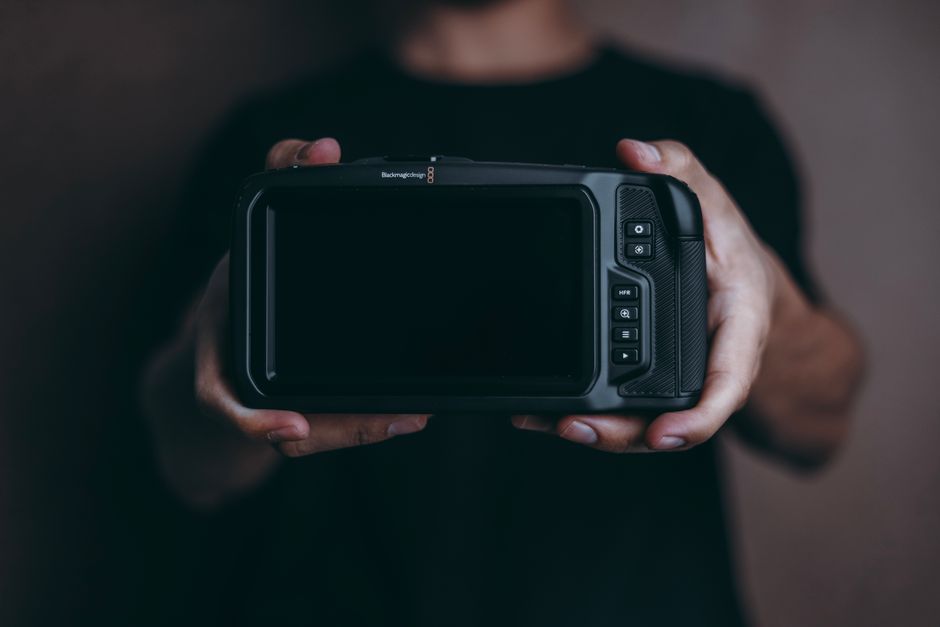
Leaving a digital camera sensor on automatic tracking mode causes distracting color shifts whenever the presenter shifts their posture. Locking custom Kelvin white balance coordinates ensures uniform color reproduction that minimizes tedious post-production skin tone color grading.
The Physics of Light Color Temperatures
Light color spectrum values are measured technically using the Kelvin temperature scale, ranging from warm orange tones to cool blue light. Standard office interior fixtures typically output warm or neutral illumination profiles rated between thirty-two hundred and four thousand Kelvin.
Conversely, exterior natural daylight introduces much cooler, blue-dominant light waves measuring approximately fifty-six hundred Kelvin. When these contrasting color spectrums collide on a subject's face, standard camera tracking chips become highly confused.
Deploying Physical Neutral White Targets
Eliminating color bias requires presenting the camera sensor with a true non-reflective white reference card under actual room lighting conditions. Operators should position an eighteen-percent gray card or a dedicated white target right in front of the subject's face.
Using the camera manual calibration function allows the sensor to evaluate the combined light frequencies accurately. The internal software resets its baseline parameters based on this assessment, neutralizing unwanted orange or blue casts.
Selecting Fixed Manual Kelvin Values
When a custom calibration target cannot be deployed, selecting a fixed manual Kelvin calculation provides an alternative stabilization path. For spaces heavily dominated by natural window glare, locking the camera system at fifty-six hundred Kelvin preserves natural outdoor environments.
If the studio relies entirely on interior overhead bulbs, shifting the camera profile manually to thirty-two hundred Kelvin ensures balanced color. Avoiding automatic camera modes keeps color levels entirely uniform across the final video timeline assets.
Controlling Light Variables with Window Diffusion
The final operational phase of white balance stabilization involves actively dampening unmanaged light variables that drift over time. Because afternoon sun angles change continually, hanging neutral diffusion fabrics across windows helps lock ambient light values.
This masking limits the influence of changing outdoor environments on the internal office studio setup. Controlling these lighting variables ensures that colors remain consistent from the opening scene to the final frame.