

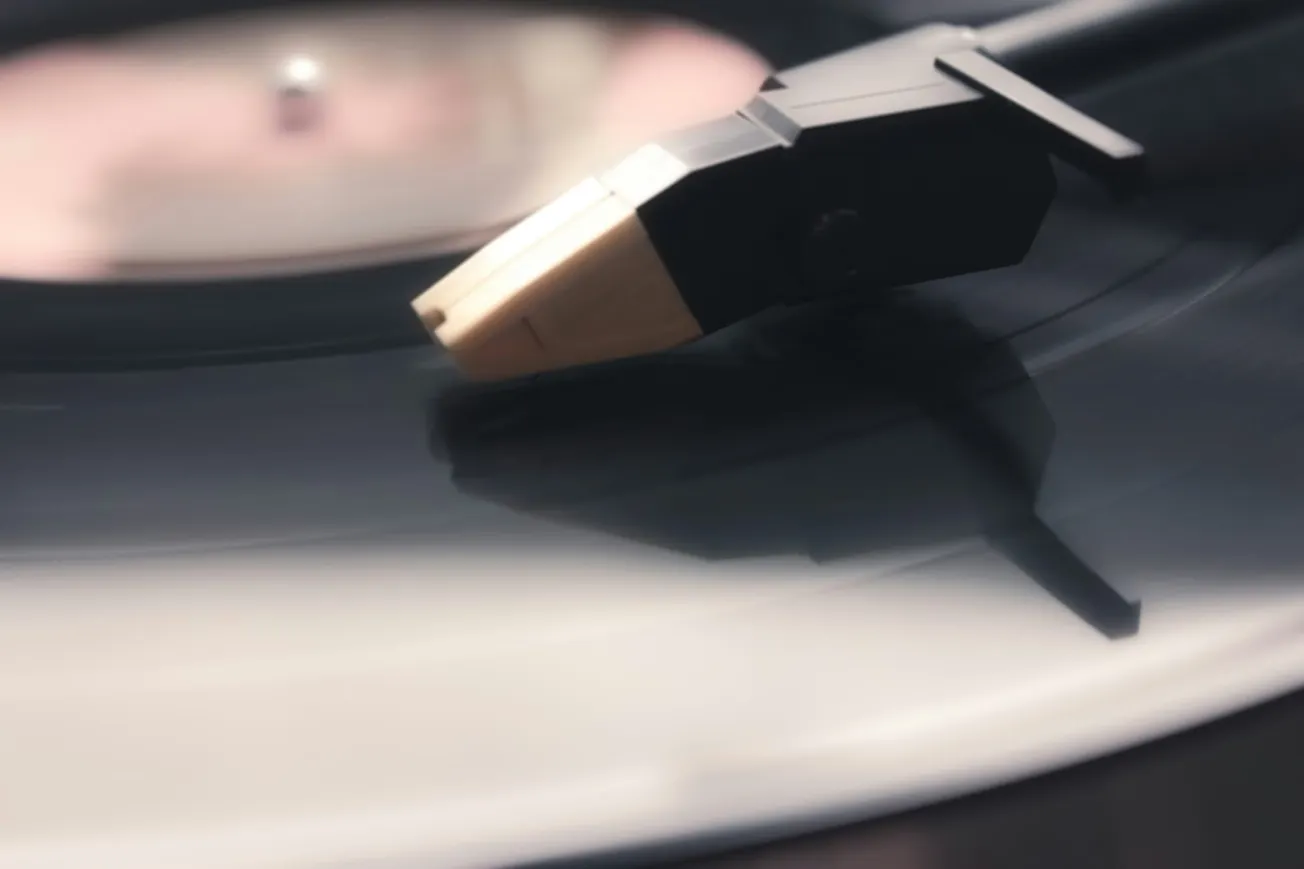
The pursuit of high fidelity audio, often abbreviated as HiFi, frequently centers on technical specifications, frequency response curves, and the engineering of vacuum tubes or digital-to-analog converters. However, the core purpose of high-end audio equipment extends beyond mere technical reproduction.
For creators and listeners alike, the ultimate goal of a HiFi system is to eliminate the friction between the recorded medium and the listener, facilitating a direct emotional connection to the music.
A common misconception in the audio industry is that HiFi is solely about achieving a perfect laboratory replica of a recording. In reality, as discussed by industry experts at Twittering Machines, the point of high-quality playback is to allow the hardware to disappear.
When a sound system is properly curated, the mechanical nature of the speakers and amplifiers fades away, leaving the listener with an experience that feels immediate and lifelike. This sense of realism is what distinguishes a professional-grade setup from standard consumer electronics.
For businesses and creators in the podcasting and video space, understanding this philosophy is critical. Whether producing a high-end audio documentary or a branded video series, the fidelity of the output dictates how much effort the audience must expend to process the content.
High fidelity reduces cognitive load, allowing the story and the nuances of the performance to take center stage. This principle of transparency ensures that the artist’s or speaker’s intent is communicated without the distractions of distortion or poor tonal balance.
The debate between accuracy and enjoyment often surfaces in audiophile circles. Some argue that the point of HiFi is to hear exactly what the recording engineer heard in the studio, while others prioritize a presentation that enhances the beauty of the performance.
Both perspectives converge on the idea that the equipment should serve the music, not the other way around. By investing in tools that offer better resolution and dynamic range, creators can ensure their work retains its emotional impact across various listening environments.
In the context of modern media production, the "point" of HiFi also relates to the scalability of content. As distribution platforms continue to support higher bitrates and spatial audio formats, producing content with high-fidelity standards ensures longevity. High-quality audio remains relevant and immersive even as technology evolves, protecting the value of the content for years to come.
This forward-looking approach is essential for educators and businesses building a library of evergreen media assets.
Ultimately, high fidelity is a tool for empathy. By capturing and reproducing the subtle details of a human voice or the resonant decay of an instrument, HiFi equipment brings the listener closer to the human element of the recording. This connection is the foundation of effective storytelling and brand building. When the barrier of the "mechanical device" is removed, the communication becomes more personal and persuasive.
For those starting their journey into high-end production or listening, the focus should remain on how the equipment facilitates a better relationship with the content. High fidelity is not an end in itself but a means to achieve a more profound and uninterrupted experience.