

Sound design is no longer just a supporting element of visual media; it is a foundational pillar of modern storytelling. From the earliest days of cinema to the complex spatial audio environments of today, the discipline has evolved through several distinct eras. This journey reflects a shift from overcoming technical limitations to exploring the vast creative potential of digital manipulation.
The Silent Era and the Birth of Live Foley
During the early 20th century, films were never truly silent. Theatrical screenings were accompanied by live musicians and sound effect artists known as "trap drummers." These early sound designers used physical props like coconut shells for horse hooves and metal sheets to simulate thunder.
This era established the concept of foley, where human-operated objects create a believable auditory world. These live performances were the first step in bridging the gap between moving images and the human ear.
The Synchronization Revolution
The landscape changed permanently in 1927 with the release of The Jazz Singer. This marked the transition to "talkies" and introduced synchronized dialogue. Technologies like the Vitaphone system allowed sound to be recorded on discs, though this was soon superseded by sound-on-film technology.
This shift required a complete overhaul of filmmaking workflows. Directors had to account for bulky microphones and soundproof sets, but the reward was a new level of realism that captivated global audiences.
The Magnetic and Multi-Channel Era
By the 1950s, the introduction of magnetic tape revolutionized the editing process. Unlike optical sound, magnetic tape allowed for multiple tracks to be layered, edited, and re-recorded with minimal loss in quality. This period saw the birth of stereo sound and, eventually, surround sound.
Iconic productions like Star Wars in 1977 utilized Dolby Stereo to create a directional audio experience, where sound moved across the theater to match the action on screen. This era solidified sound design as a specialized craft, moving beyond simple recording to intentional sound "construction."
Digital Transformation and Spatial Audio
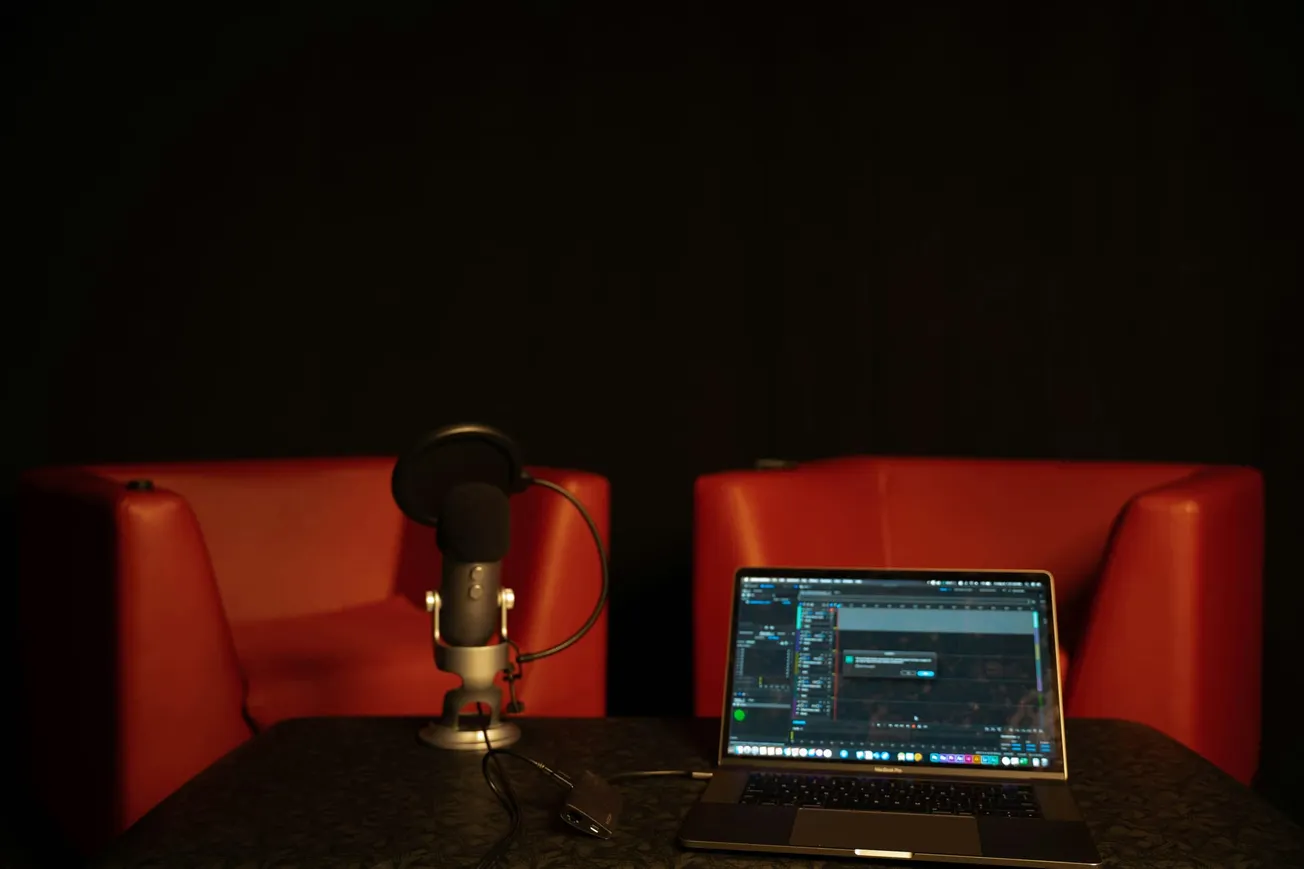
The 1990s ushered in the digital era, replacing physical tape with Digital Audio Workstations. This democratization of tools allowed creators to manipulate sound at a granular level. Today, the focus has shifted toward immersion through spatial audio and object-based formats like Dolby Atmos.
In these systems, sound is not just assigned to a speaker but is treated as an object that can be placed anywhere in a 3D space. As noted by CMoore Sound, 2026 predictions indicate that sound design is now expanding into UX/UI and brand identity, moving beyond the screen into our smart homes and wearable devices.
Real-World Applications for Modern Creators
For businesses and content teams, the evolution of sound design offers practical benefits for marketing and education. High-quality audio increases viewer retention and lends authority to a brand.
Modern workflows emphasize the use of AI-driven noise reduction and automated mixing to achieve professional results with fewer resources. Understanding this history helps creators appreciate the tools at their disposal, from simple foley techniques to advanced spatial mapping.
As sound design continues to integrate with emerging technologies like virtual reality and conversational AI, the core mission remains the same: to reduce friction in storytelling. By creating a seamless auditory experience, designers ensure that the message reaches the audience with maximum clarity and emotional impact.


