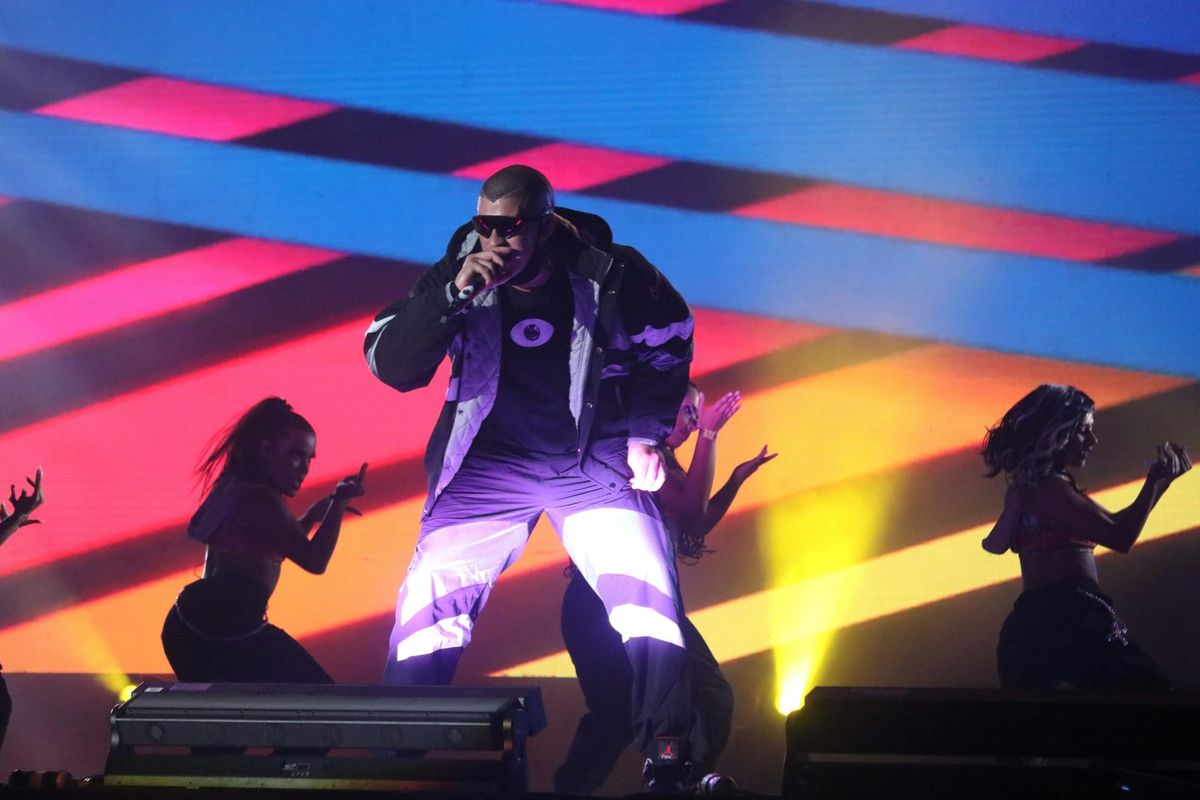

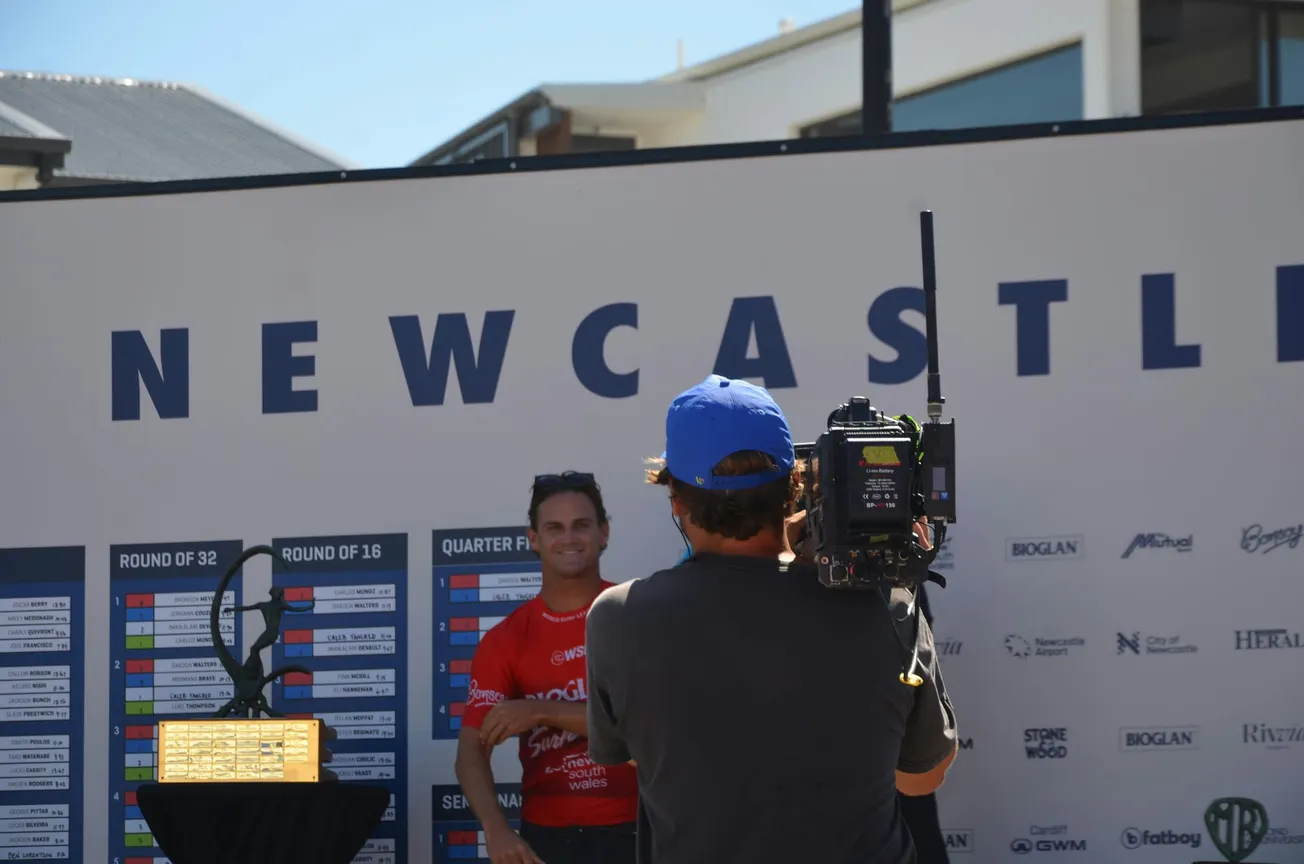
The boundary between traditional radio and digital video is rapidly dissolving. For local sports radio stations—a format historically defined by "theater of the mind"—this financial shift has triggered a necessary evolution. Broadcasters are no longer just voices in a car speaker; they are becoming multi-platform video creators to meet the demands of a changing audience.
According to recent analysis from S&P Global Market Intelligence, the "video podcast" is no longer a niche sub-genre. Data indicates that 62% of podcast listeners now prefer to watch their favorite shows on YouTube, with Spotify and Netflix following closely behind.
For sports radio, which remains the most popular podcast genre among men in 2026, the transition to video is not just about vanity; it is about survival. Traditional broadcast revenue continues to decline annually, while digital advertising now accounts for nearly 25% of an average station’s total revenue.
This weekend provides a perfect opportunity for creators to reflect on their own "hybrid" potential. The shift in sports radio highlights a broader trend: the audience does not choose between audio and video—they expect both. For small businesses and independent podcasters, this means the barrier to entry for high-quality video must be addressed. Fortunately, technology is keeping pace with this demand.
Recent gear announcements from major trade shows like CES 2026 have introduced tools specifically designed to reduce the friction of video production. For instance, the upcoming RodeCaster Video Core allows creators to run multi-camera setups using standard smartphones, featuring auto-switching technology that cuts to whoever is speaking. This type of innovation allows even small teams to produce a "broadcast" look without a dedicated video engineer.
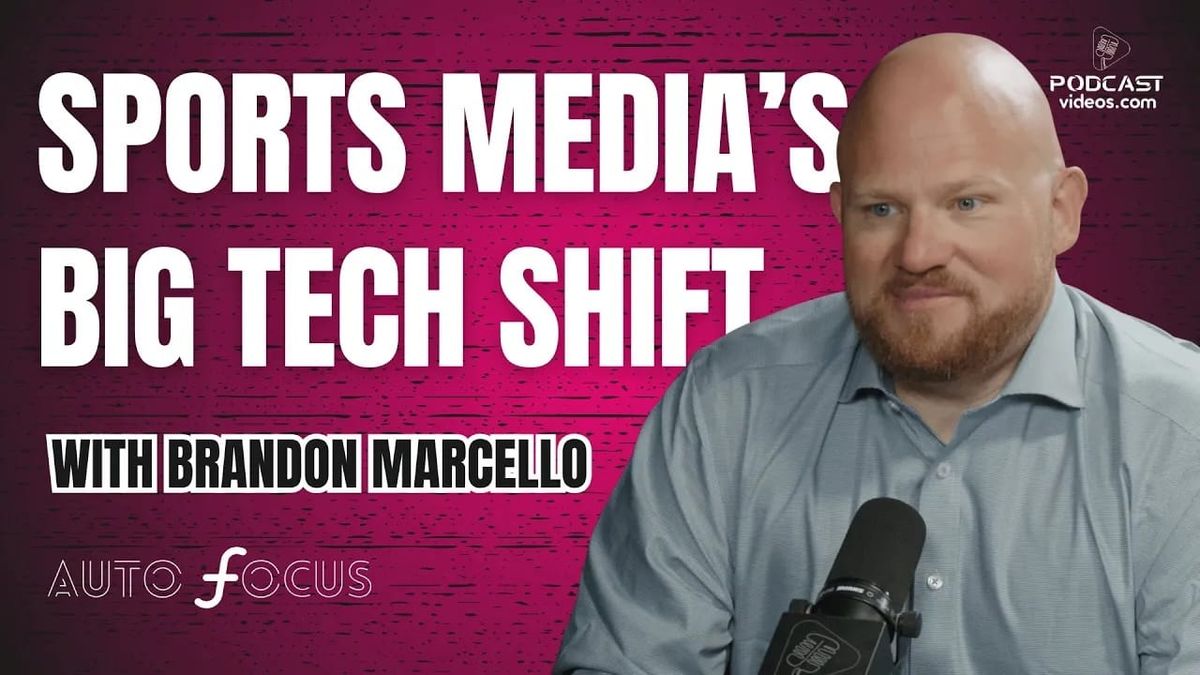
The "video boom" in radio is a clear signal to all content creators that the future of storytelling is multimodal. By combining the daily discipline of radio with the visual engagement of video, brands can build deeper authority and trust with their communities. As noted by industry experts at Barrett Media, the hard part—creating compelling audio content—is already done; the next step is simply aligning that content with where the audience is actually looking.
More about sports:
 Nathan Sellars
 Staff Report
 Staff Report