
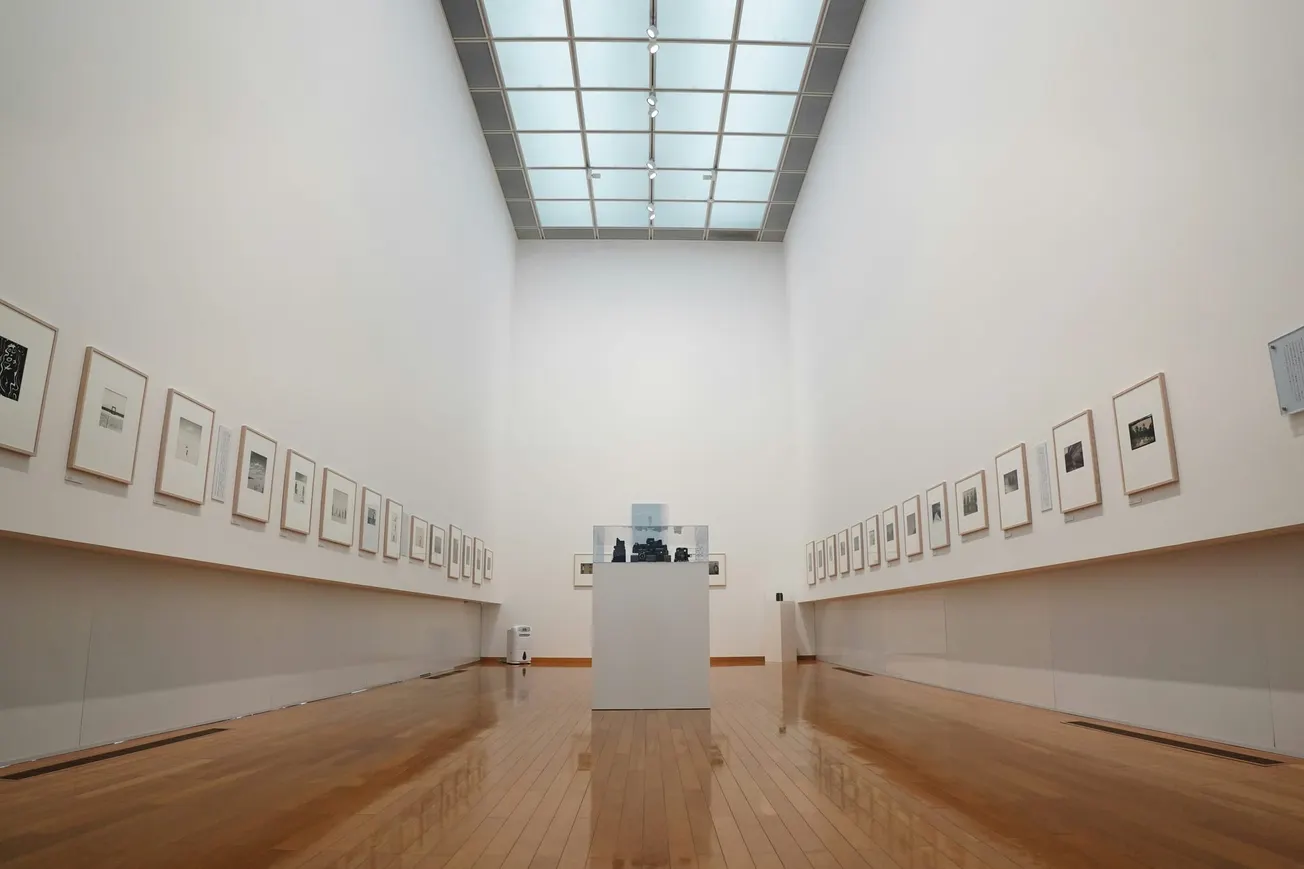
Visual storytelling serves as a vital historical record, capturing the shifts in culture, infrastructure, and human experience that define an era. A new landmark exhibition, "Portrait of a City: A Century of American Photography," is set to open at the Dulwich Picture Gallery in London on July 28, 2026.
Bringing together more than 100 works by 38 iconic photographers, the show offers a rare opportunity to witness a hundred years of American urban life through the lenses of those who pioneered the medium.
The exhibition traces the trajectory of photography from the early 20th century to the close of the 1900s. It begins in an era of rapid industrialization and immigration, where photographers like Lewis Hine and Alfred Stieglitz were essentially defining the rules of documentary photography.
Hine’s famous 1930 image, "Riding the Ball High up on Empire State," serves as both a technical record of architectural ambition and a powerful statement on the human labor required to build modern cities.
As the century progressed, the purpose of photography shifted from mere documentation to urgent social advocacy. This transition is most evident in the work of Dorothea Lange and Margaret Bourke-White during the Great Depression. Their unflinching portraits of poverty and resilience demonstrate the medium’s power to influence public opinion and drive social change.
For modern businesses and marketing teams, this era of photography provides a masterclass in how authentic, high-impact imagery can communicate complex narratives more effectively than text alone.
The middle of the century highlights the rise of the New York Photo League and the mastery of street photography. Key figures such as Helen Levitt, Saul Leiter, and Roy DeCarava are represented, showcasing their ability to find profound meaning in the mundane activities of city life.
These photographers moved away from staged portraits toward "candid" captures, a style that continues to dominate current social media marketing and brand storytelling. The ability to capture a "vibe" or a fleeting moment is a skill that remains highly valued in today’s visual economy.
By the 1960s and 70s, the exhibition notes a move toward the "odd and unsettling textures" of modern life. Photographers like Diane Arbus and Lee Friedlander introduced a restlessness to the medium, focusing on the strangeness of the human condition within growing concrete landscapes.
This period also saw a shift in subject matter toward the built environment itself, with Ed Ruscha and Robert Adams documenting the highways and strip malls that would come to define the American West.
The exhibition concludes with Bruce Davidson’s "Subway" series from the 1980s, which uses vivid, raw imagery to capture the intensity of the New York underground. Taken as a whole, the collection—on loan from the DNB Savings Bank Foundation in Norway—highlights that the true subject of photography is not just the architecture of a city, but the people who inhabit it.
Understanding the history of visual media allows contemporary creators to make more informed decisions about their own Video Equipment and photography choices. By studying the masters of the past, teams can better understand how to use modern tools to reach wider audiences and build authority through compelling storytelling.
More about photography:
 Staff Report
 Staff Report
 Staff Report