
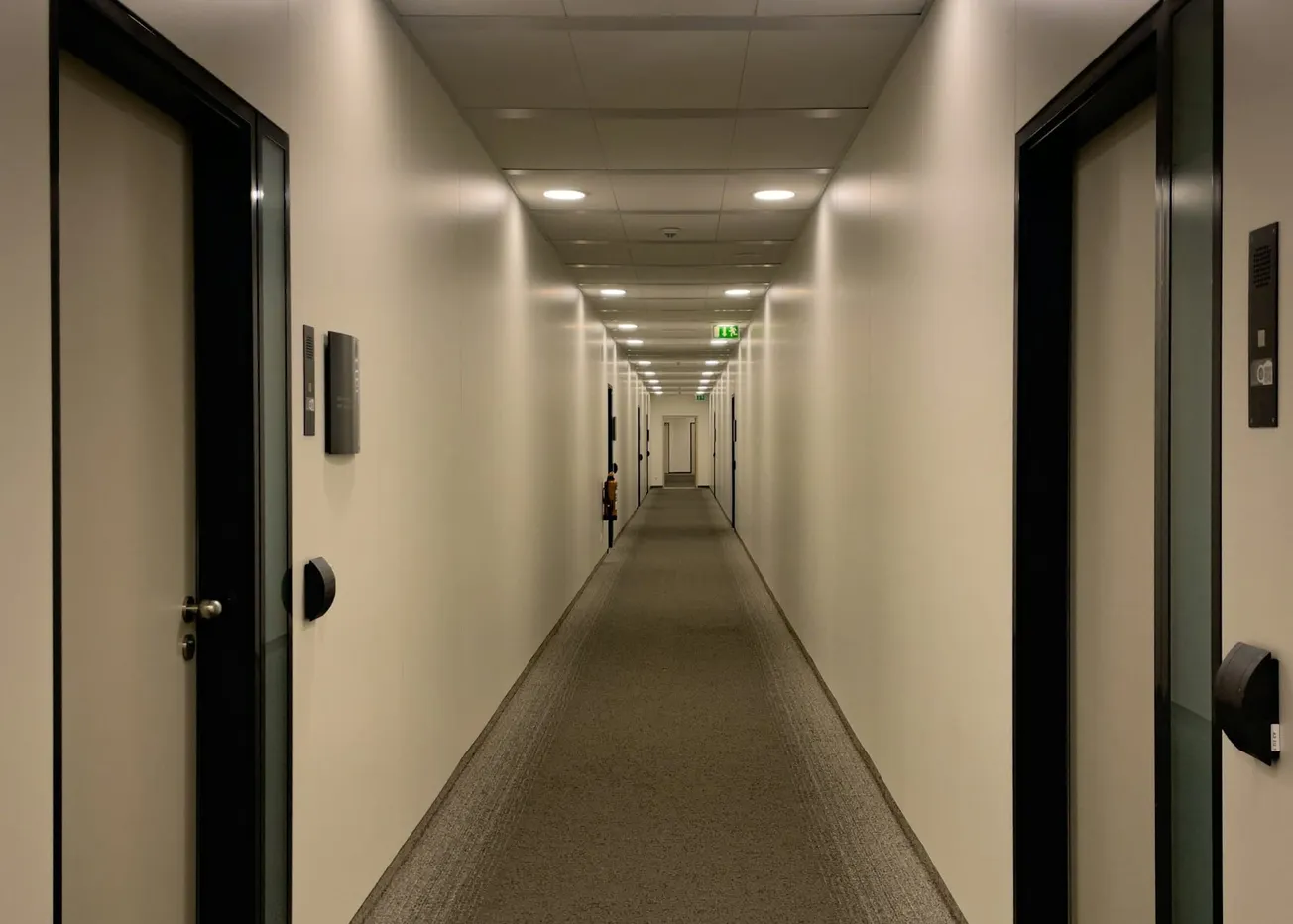
The intersection of viral internet culture and independent filmmaking continues to reshape how audiences discover new stories. One of the most prominent examples of this shift is the Backrooms phenomenon, a creepypasta concept that originated online and transformed into a box-office success. Director Kane Parsons famously launched a mainstream filmmaking career by creating these short horror films right from a bedroom.
For modern video creators and small production teams, understanding the workflows behind this distinct aesthetic offers valuable lessons in visual storytelling, digital effects, and resourceful production techniques.
Recreating this specific atmosphere requires a blend of practical footage, three-dimensional modeling, and strategic post-production editing. Independent filmmakers looking to explore this genre can study a detailed video crash course from creator Connor Clockwell, highlighted by No Film School, which breaks down the step-by-step pipeline for generating realistic liminal space horror. The workflow leverages accessible software tools to achieve high-production-value results on a limited budget.
The foundational phase of any digital video project relies on conceptualization and footage capture. Creators must first map out the narrative ideas and composition of the environment before diving into software. When capturing raw footage, the choice of camera settings and physical locations dictates how well the real-world elements will merge with digital assets later in the editing pipeline.
Once the conceptual groundwork is established, the process transitions into 3D animation software. Blender serves as the primary tool for modeling the iconic, empty yellow corridors that define the Backrooms universe. Creators use the software to build geometry, apply repeating wallpaper textures, and configure realistic overhead fluorescent lighting.
The power of modern 3D software allows small teams to construct expansive, claustrophobic environments without the need for physical set construction.
The magic of the aesthetic happens during the compositing and sound design phases. Compositing blends the filmed elements with the rendered 3D environments, ensuring that shadows, tracking, and perspectives align perfectly. Sound design adds the final layer of tension, utilizing low-frequency hums and distant echoes to establish a sense of isolation.
To achieve the vintage look characteristic of early internet lore, creators often utilize a VHS conversion process or digital alternatives to introduce tracking lines, color degradation, and authentic camera noise.
For businesses, educators, and creative marketing teams, mastering these mixed-reality workflows extends beyond the horror genre. The ability to seamlessly combine real-world video with digital environments can be applied to virtual corporate training simulations, immersive educational explainers, or unique digital marketing campaigns.
By studying how viral filmmakers optimize software like Blender, any organization can scale its video production capabilities without requiring massive studio spaces.