

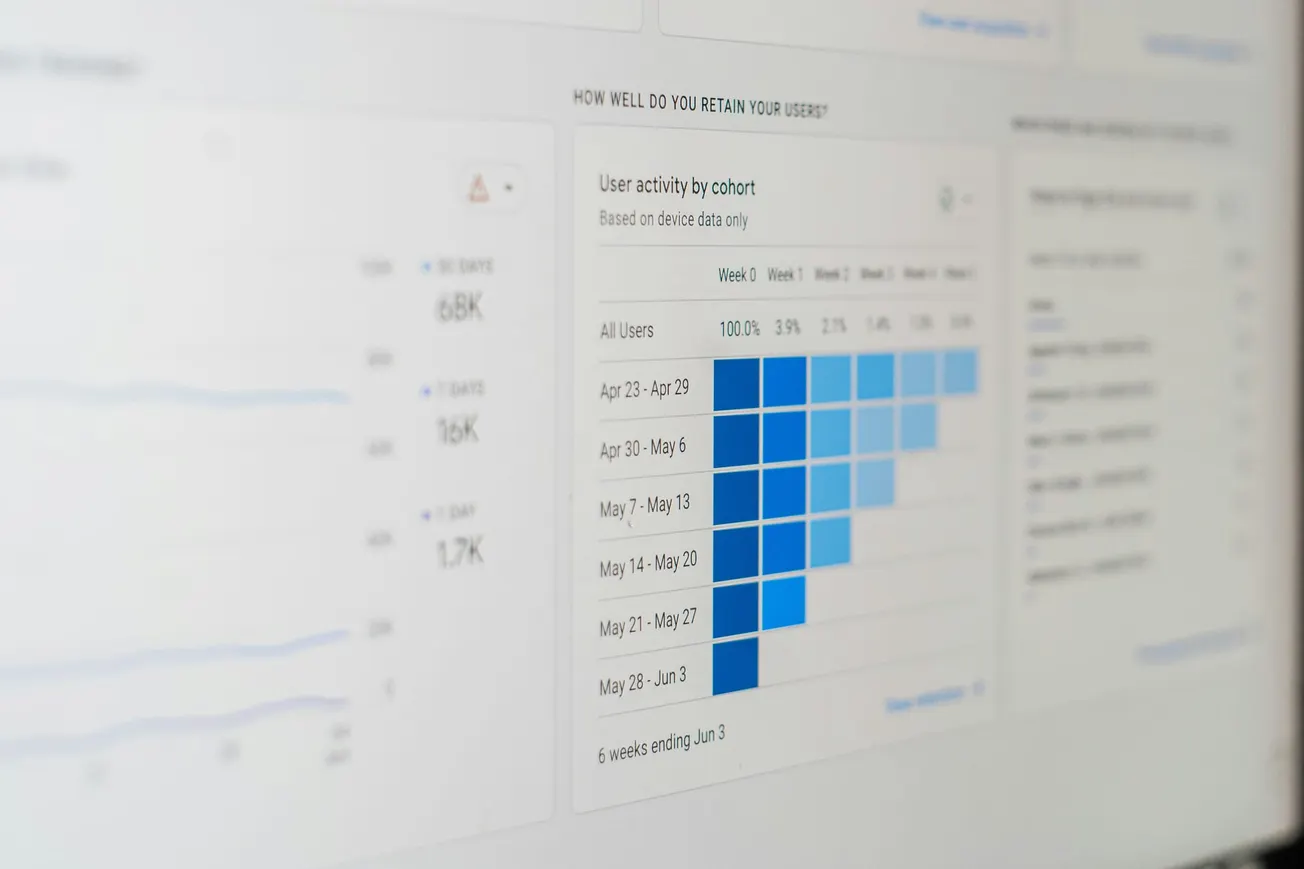
Measuring the success of a podcast is a complex process that often leads to confusion due to the variety of metrics provided by different platforms. While it is tempting to focus solely on high numbers, understanding what those figures actually represent is critical for making informed business decisions.
To navigate this landscape, creators and businesses must distinguish between downloads, plays, and unique listeners while adhering to industry-recognized standards.
Downloads Versus Listens and Streams
The most common metric in podcasting is the download. A download occurs when a podcast episode is delivered to a device, regardless of whether it is ever played. In contrast, a "listen" or "play" typically refers to an instance where a human user actively engages with the audio. In the podcasting world, the term "stream" is often used interchangeably with a user-initiated download, as most RSS-based audio is downloaded in full even if it appears to be streaming.
A significant gap exists between these two numbers. Industry research suggests that approximately 13% of all podcast downloads are never actually listened to. This occurs because many apps, such as Apple Podcasts or Overcast, utilize automatic downloads that fetch new episodes in the background.
If a subscriber falls behind on their queue, the files continue to accumulate on their device without being played, leading to inflated download statistics that do not reflect actual consumption.
The Role of IAB Standards
To create a level playing field, the Interactive Advertising Bureau (IAB) established measurement guidelines known as IAB v2. These standards provide a consistent methodology for what constitutes a valid download. An IAB-compliant download must filter out bot traffic, repetitive requests from the same IP address within a 24-hour window, and partial downloads that do not meet a minimum file size threshold.
Most major podcast hosts, including Libsyn, Buzzsprout, and Captivate, use these guidelines to report data. However, it is important to note that these standards measure devices rather than individual people.
For example, a single person listening on their home Wi-Fi and then switching to a cellular connection might be counted as two separate "listeners" under these rules, whereas thirty people in a single office sharing one IP address might appear as just one.
Utilizing Platform-Specific Analytics
While your podcast host provides the most complete overview of your RSS feed, individual apps like Apple Podcasts, Spotify, and YouTube offer deeper behavioral data. These platforms track every interaction within their specific ecosystems, providing insights that a general host cannot see.
Apple Podcasts Connect focuses on "listeners" rather than downloads, providing detailed retention charts that show exactly where an audience might drop off during an episode. Spotify for Creators offers demographic data, including age and gender, alongside "stream" metrics defined as 60 seconds or more of playback. YouTube Studio provides the most granular visual data, highlighting "dips" in audience attention and showing how viewers discovered the content.
Benchmarking and Performance Evaluation
For many creators, the primary question is how their show compares to the rest of the industry. According to data from Buzzsprout, the average podcast receives approximately 29 downloads in the first month after publication. Shows that exceed this number are already performing better than half of the active podcasts globally.
To build a sustainable business, creators should focus on long-term trends rather than daily fluctuations. Consistent growth across multiple platforms is a more reliable indicator of success than a single spike in downloads. Utilizing third-party prefix services like OP3 or Podtrac can also provide an independent verification of your numbers, which is often a requirement for professional publishing and high-level advertising partnerships.
By mastering these metrics, content teams can move beyond surface-level data to understand their true reach. This clarity allows for better content planning, more effective marketing, and a stronger overall storytelling strategy that prioritizes actual human engagement over automated background activity.
More about analytics:
 Staff Report
 Dan Craft
 Staff Report