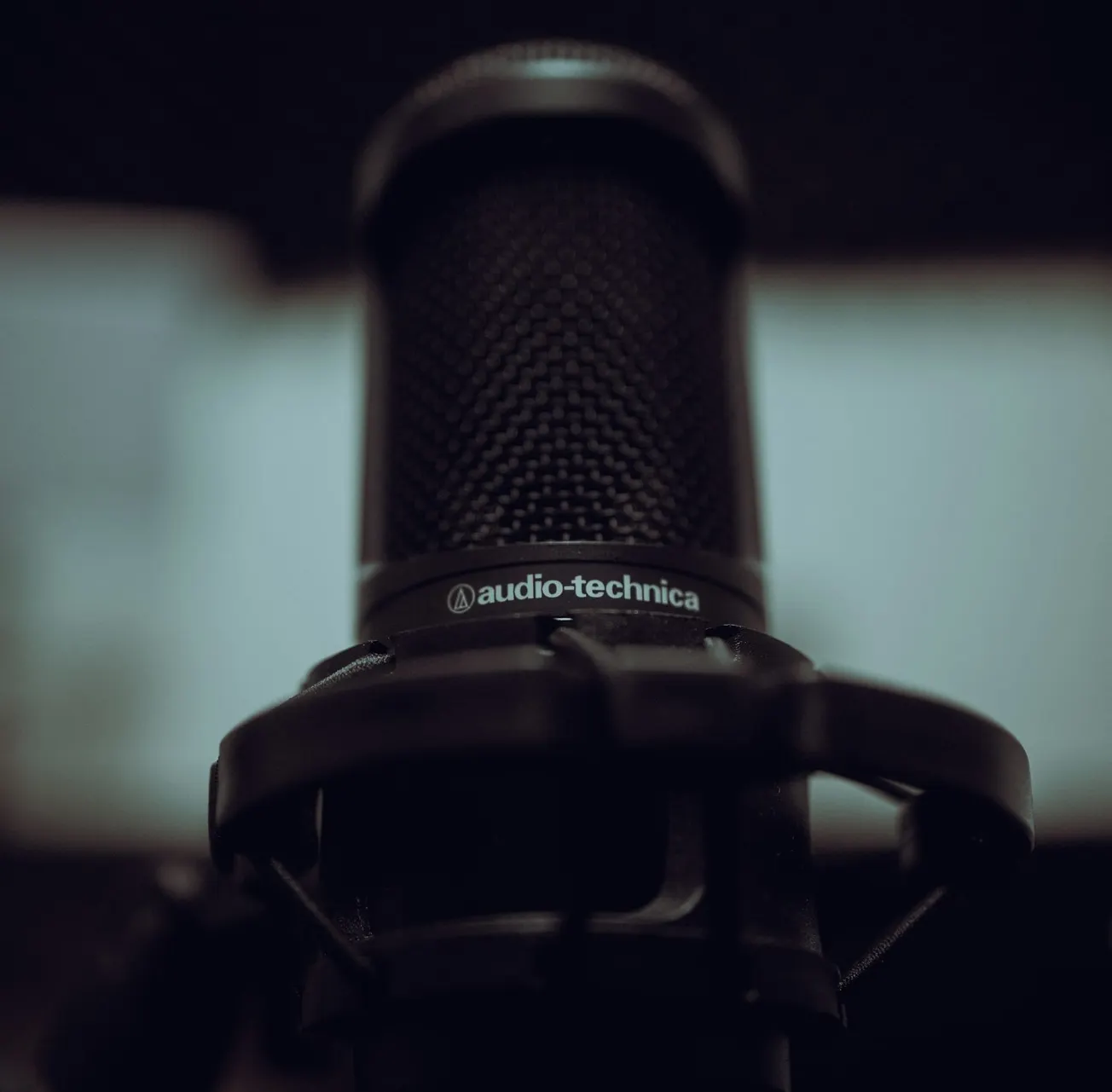


Choosing a microphone for livestreaming is about more than buying the most expensive model. Placement, room acoustics, movement, and how much of the microphone you want on camera all matter.
This guide compares boom, lavalier, dynamic, and condenser microphones so creators can find a setup that sounds good and fits their production style.
Key takeaways
- Boom microphones stay outside the frame and usually sound natural, but they can capture more room noise.
- Lavalier microphones are easy to hide and follow you as you move, though clothing noise can be a problem.
- Dynamic broadcast microphones reject room sound well and offer a rich voice, but they require close, consistent positioning.
- Condenser microphones can sound clear and full while allowing a little more movement than dynamic microphones.
- Your room and livestream layout often matter as much as the microphone itself.
Boom microphones: Natural sound without showing the mic
A boom microphone is placed above or beside you, just outside the camera frame. This is a common approach in film and video production because it keeps the microphone hidden while capturing a natural voice.
The main advantages are straightforward:
- The microphone does not appear on screen.
- The sound can feel more open and natural.
- You do not need to stay completely still.
The tradeoff is that a boom microphone may pick up more of the room. Hard surfaces, such as desks, monitors, and walls, reflect sound back toward the microphone. Computer fans and other equipment can also become more noticeable.
Placement matters. A boom between your light and your face can create an unwanted shadow, so check the microphone’s position against your lighting setup. This is especially important for creators building a polished video podcast or livestream scene.
Lavalier microphones: Small and easy to hide
A lavalier microphone clips to clothing or can be hidden beneath a shirt. Since it stays attached to your body, it follows you if you move around. That makes it useful for presenters who do not want to remain fixed behind a desk.
The biggest benefit is convenience. You do not have to maintain the same distance from a microphone on a stand, and the microphone can remain almost invisible on camera.
However, lavaliers have a recognizable sound. They are close to the body, so they usually do not sound as natural as a well-positioned boom microphone. Clothing rustle is another concern. Even a small movement can create distracting noise if the microphone or cable rubs against fabric.
Most lavalier microphones are omnidirectional, meaning they pick up sound from all directions. Your body blocks some sound from behind, but reflections from a desk or computer monitor may still reach the microphone. A lavalier can work especially well when you are not sitting directly in front of hard surfaces.
Dynamic microphones: Strong room rejection
Dynamic cardioid microphones, often called broadcast microphones, are popular with livestreamers. A model such as the Shure SM7B is designed to be used close to the speaker and pointed toward the mouth.
This close working distance is important. It helps the microphone focus on your voice instead of capturing the sound of the room. That can make a major difference in a spare bedroom, office, or computer room that has not been acoustically treated.
Dynamic microphones also tend to produce a rich, full broadcast sound. Many people like the added low-end character, especially when the microphone is used close to the mouth.
 Staff Report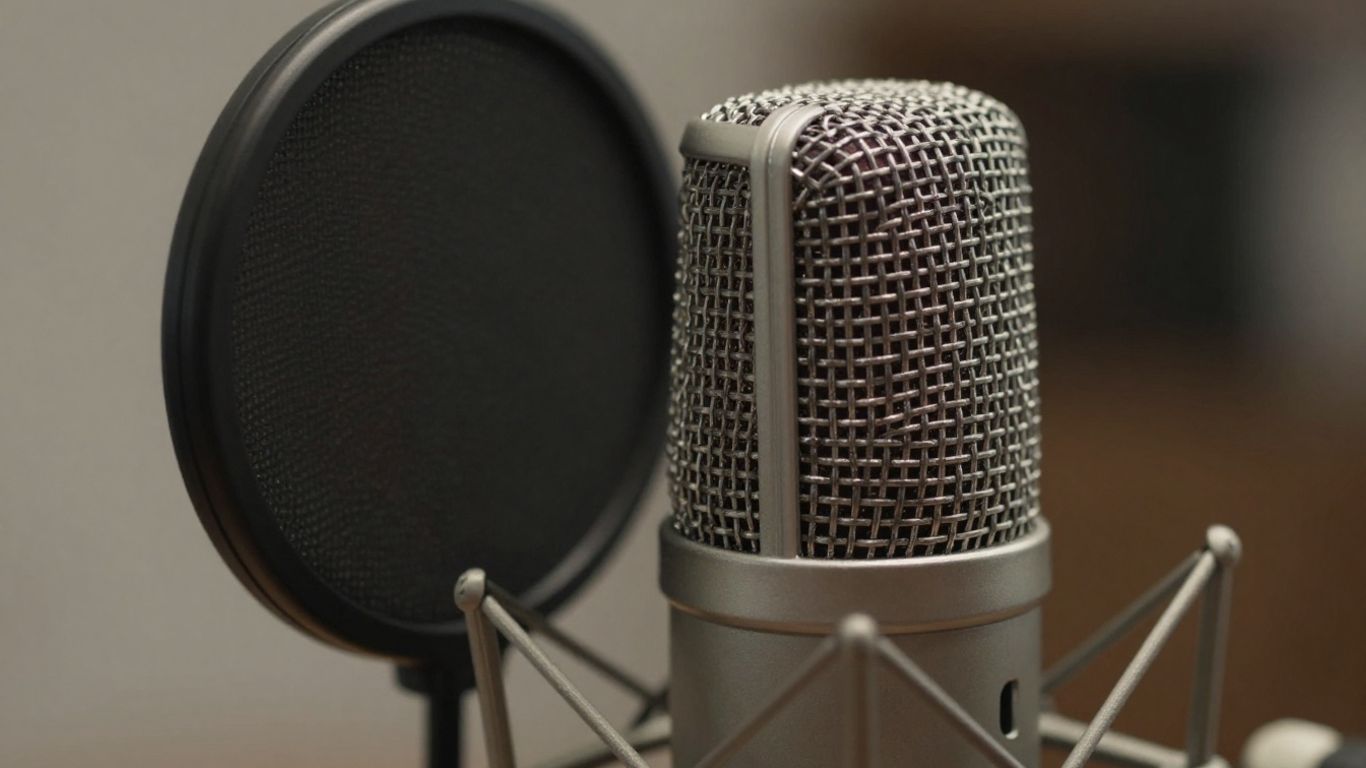
There are two main drawbacks:
- The microphone is usually visible. You can place it slightly to the side or lower in the frame, but hiding it completely is difficult.
- You need consistent technique. If you turn away or move off-axis, the sound can change quickly.
For desk-based livestreams, a dynamic microphone is often a practical choice because it handles reflections and background noise better than many other options.
Condenser microphones: Clear sound with some flexibility
Cardioid condenser microphones can provide a detailed, polished voice. Both small-diaphragm and large-diaphragm models can work for livestreaming, depending on the sound and appearance you want.
Used from a fairly close distance, a condenser microphone can reject a reasonable amount of room noise. It may also allow a little more movement than a dynamic microphone while keeping a consistent tone. Large-diaphragm condensers often provide a fuller bass response that suits voice work.
The main limitation is room sound. Condensers are generally more sensitive than dynamic microphones, so they may capture more ambience, reflections, fans, and keyboard noise. They will also normally be visible in the frame.
If you use a condenser microphone, improve the space first where possible. Reduce hard reflections, move noisy equipment farther away, and keep the microphone close enough to prioritize your voice.
How to choose the right microphone
Start with your room and your on-camera preferences rather than the microphone brand. Think about these questions before choosing:
- Do you want the microphone visible?
- Will you remain seated, or move around?
- Is your room quiet and acoustically controlled?
- Are fans, computers, or hard surfaces close to you?
- Can your livestream setup add equalization or other processing?
There is no single best microphone for every production. A well-placed, affordable microphone in a quiet room can outperform a more expensive model used too far away or pointed in the wrong direction.
For creators working across livestreams, video podcasts, and other productions, microphone placement is one of the most useful skills to develop. Test each option from the actual camera position, listen for reflections and background noise, and choose the setup that gives your audience a clear, comfortable listening experience.