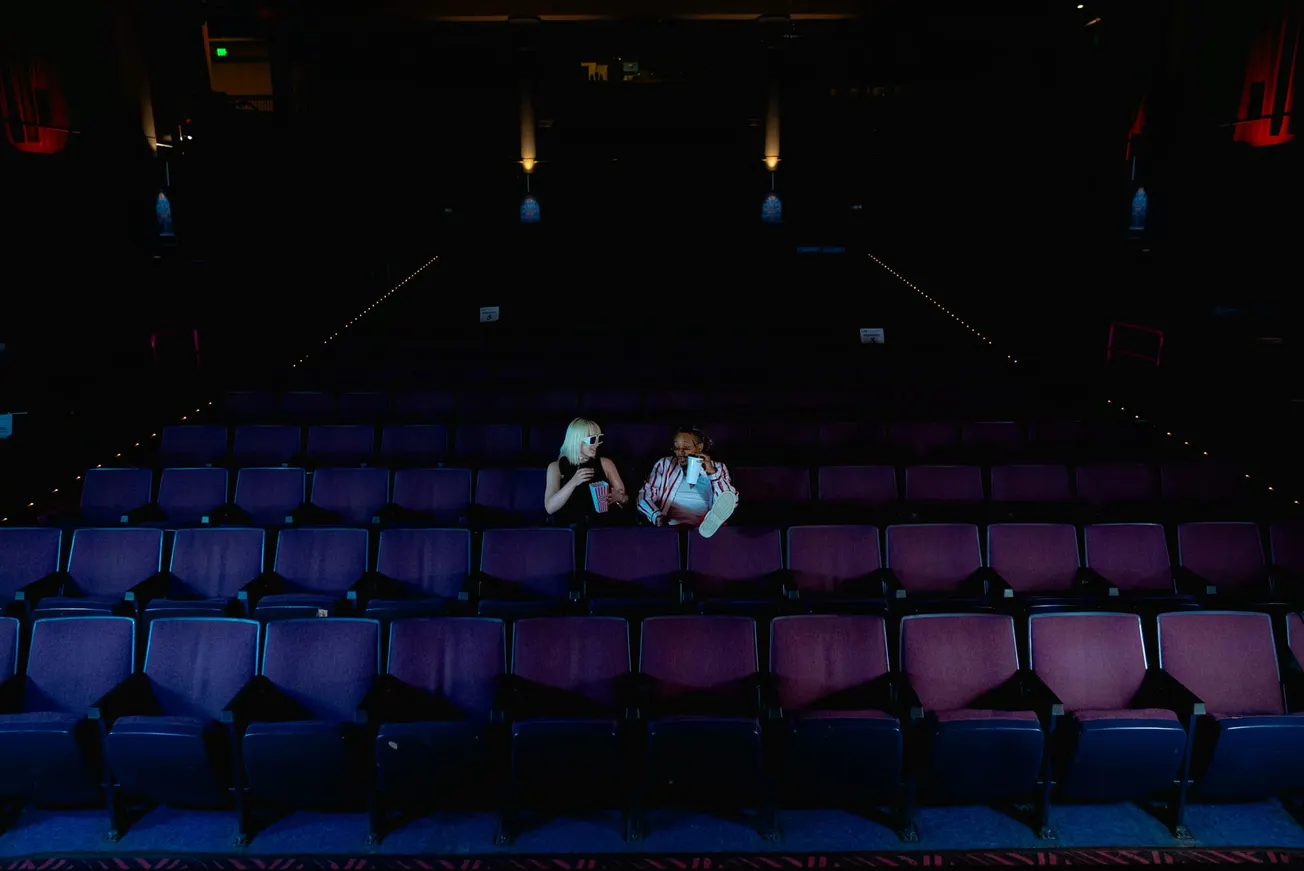
The transition of podcasting from a secondary, audio-only background activity to a primary, visual living room experience is officially underway. Data from the inaugural Netflix Podcast Ranker by Samba TV indicates that audiences are increasingly choosing to watch podcasts on the big screen, signaling a major shift for creators and businesses.
This evolution offers new opportunities for storytelling that combines the intimacy of audio with the production value of traditional television.
Shifting Consumption from Mobile to Living Room
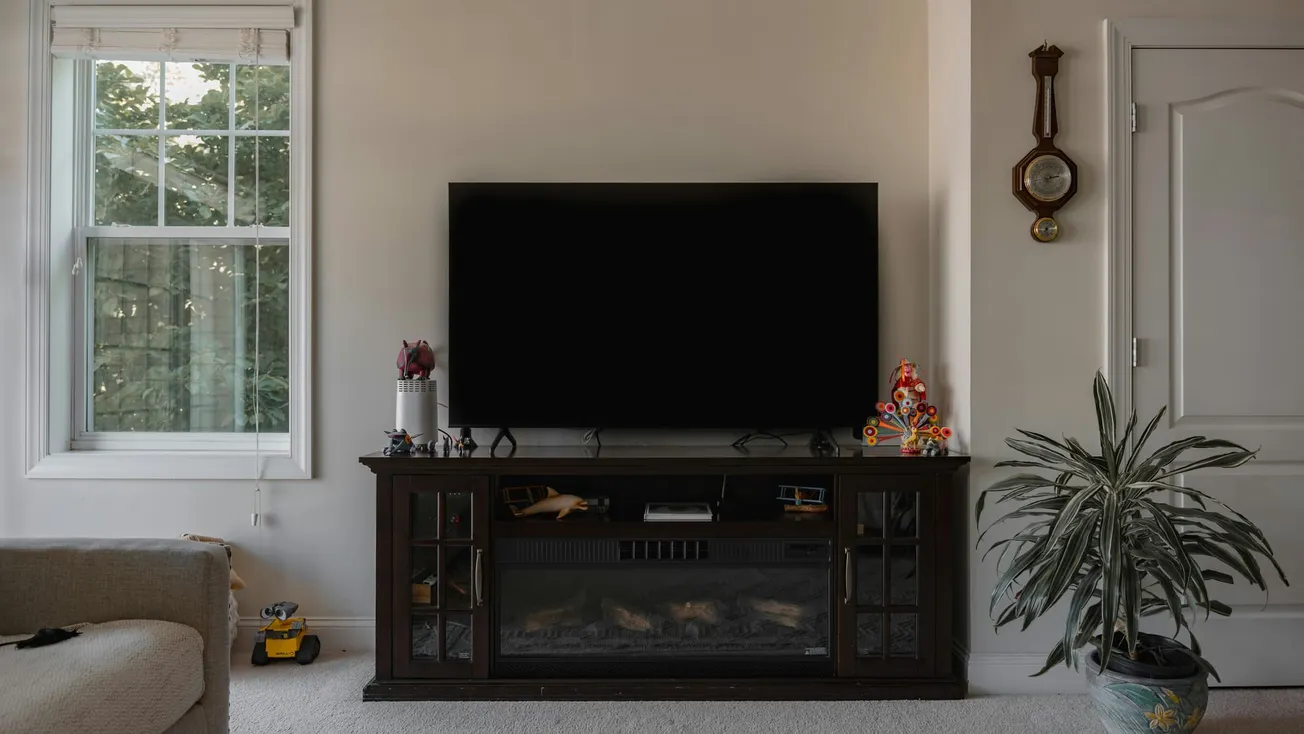
For years, podcasting was defined by its portability, consumed primarily on mobile devices during commutes or chores. However, as streaming giants like Netflix integrate podcast catalogs, the medium is finding a new home in the living room.
Samba TV reports that 13 percent of Netflix-viewing households engaged with a podcast on the platform during the first quarter of 2026. While mobile consumption remains significant, the move to the television screen suggests that viewers are now treating podcasts as intentional, long-form entertainment rather than just background noise.
The Rise of Visual Storytelling in Audio
The success of podcasts on the big screen is largely driven by shows that emphasize visual personality and intimacy. Samba TV’s analysis, conducted in partnership with Podscribe, found that traditional audio-only success does not always translate directly to television success.
Shows featuring high-profile celebrities or visually engaging interview formats, such as The Breakfast Club or Bridgerton-related content, have seen significant traction on Netflix. This indicates that the living room audience prioritizes the visual connection between the host and the guest, turning a standard interview into a cinematic experience.
New Demographics and Engagement Windows
The data highlights a significant change in when and how people interact with podcasts. Despite its origins as a morning radio program, nearly half of the viewership for The Breakfast Club on Netflix occurs during daytime or primetime hours.
Only 10 percent of the television audience watches during the early morning. This suggests that the big screen is decoupling podcasts from their traditional time slots, allowing creators to reach audiences during peak leisure hours.
Additionally, these viewers tend to be medium-intensity television users, offering a unique middle ground for brands that previously struggled to reach light TV viewers through traditional advertising.
Strategic Implications for Content Creators
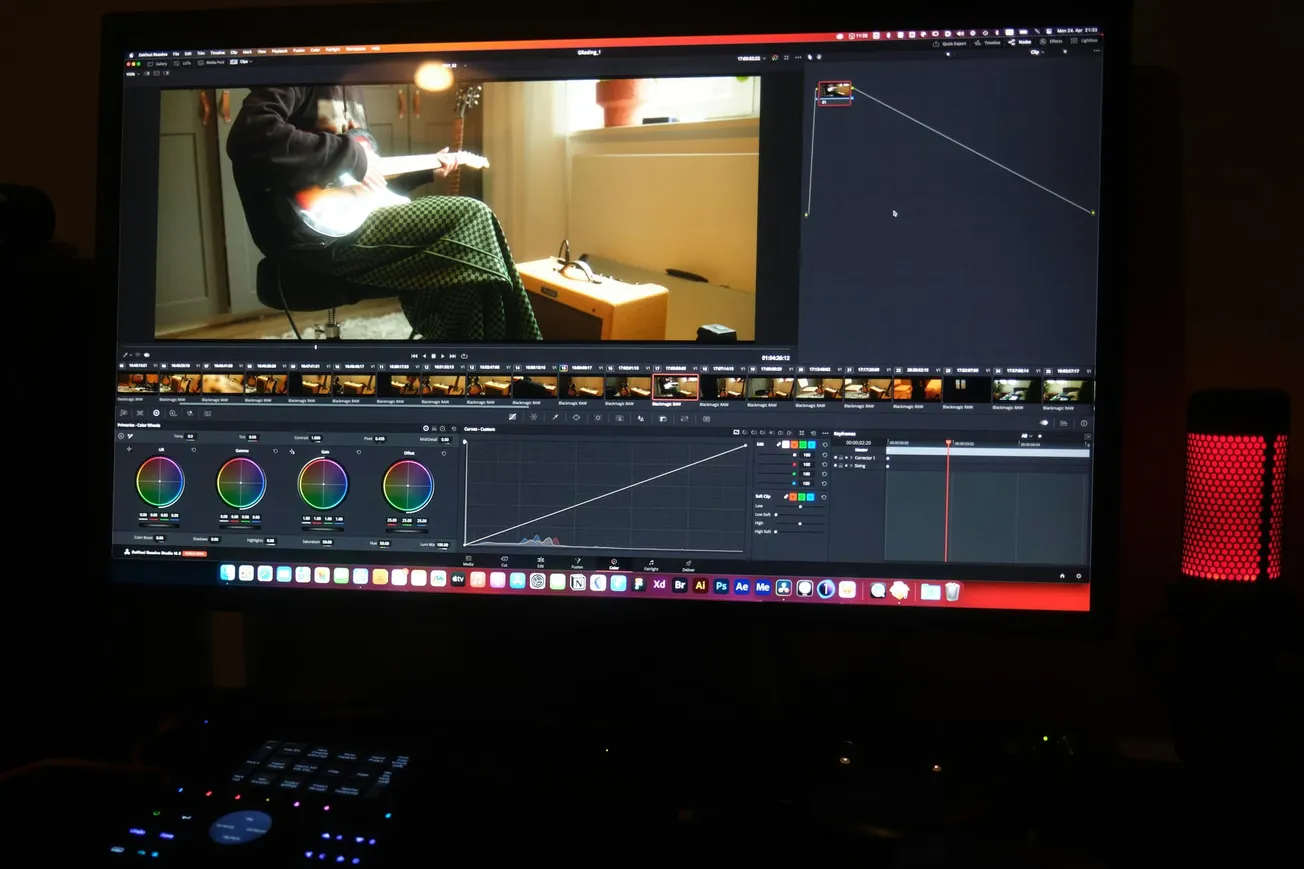
For businesses and independent creators, the expansion into television platforms necessitates a focus on video quality and production design. The living room environment demands higher visual standards than a standard webcam recording.
Creators looking to scale should consider how their recording space appears on a large screen and whether their content format supports extended visual engagement. As platforms continue to license established titles and produce original podcast content, the barrier between digital creators and traditional broadcasters continues to thin.
The future of podcasting appears to be hybrid, where the same piece of content serves as a companion on a smartphone and a featured program on a smart TV. By understanding these shifting viewership patterns, creators can better position their work to capture attention across all screens.
Exploring modern distribution strategies is essential for any media team looking to build authority in this evolving landscape.
More about distribution:
 Staff Report
 Staff Report
 Staff Report