Microphone feedback is one of the most common technical hurdles faced by creators, yet it remains one of the most disruptive to the recording process. This phenomenon, often characterized by a piercing screech or a low-frequency hum, occurs when a sound loop is created between an audio input and an audio output. When a microphone picks up signal from a speaker and sends it back through the system to be amplified again, the resulting cycle creates a continuous, escalating tone that can ruin a take and potentially damage hardware.
To maintain a professional production environment, creators must understand the relationship between gain stages and physical placement. The most effective way to eliminate feedback is to ensure that the microphone never "hears" the output of the recording. This is why professional broadcasters almost exclusively use closed-back headphones during sessions. By isolating the monitor mix from the recording environment, the audio loop is physically broken, allowing for higher gain levels without the risk of oscillation.
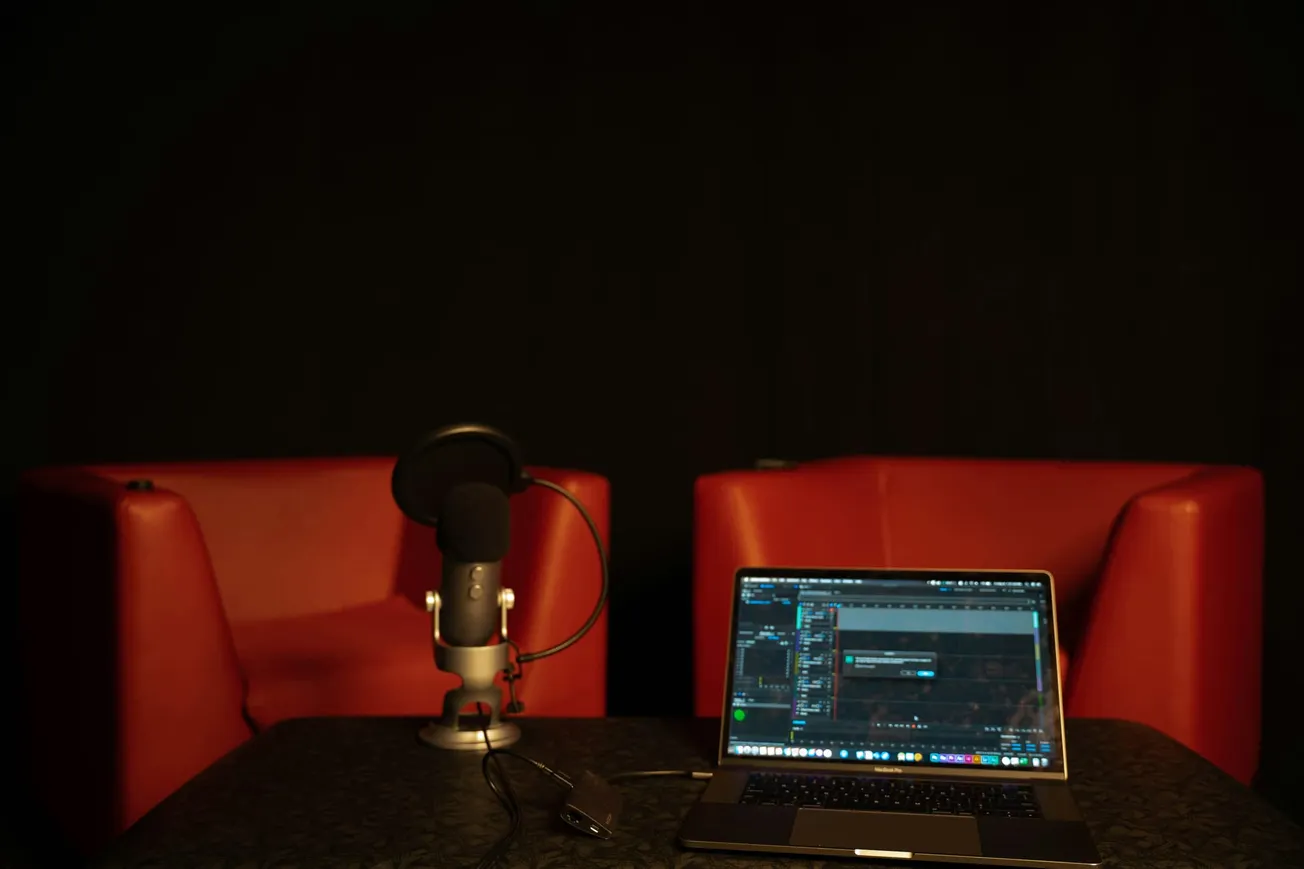
Choosing the correct microphone polar pattern is another critical step in feedback rejection. For most podcasting and voice-over applications, a cardioid or hyper-cardioid microphone is preferred. These microphones are designed to be most sensitive to sound directly in front of the capsule while rejecting sound from the rear. By positioning speakers or other noise sources in the "null point" of the microphone’s pickup pattern, creators can significantly increase their gain before feedback occurs.
In settings where speakers must be used, such as live panels or hybrid educational environments, the placement of the hardware is the deciding factor in audio clarity. Speakers should always be placed in front of the microphone and aimed away from the capsule. If the microphone is moved behind the speakers, the risk of the sound reflecting off back walls and into the microphone increases. Utilizing acoustic treatment, such as foam panels or bass traps, helps dissipate these reflections before they can re-enter the signal chain.
Digital tools and hardware processors also offer modern solutions for feedback management. Many digital mixers and audio interfaces now include feedback suppressors or "notching" filters. These tools automatically detect the specific frequencies where a loop is beginning to form and apply a narrow filter to attenuate that frequency. While effective, these should be used as a secondary measure after physical placement has been optimized, as excessive filtering can thin out the natural tone of the human voice.
Managing gain structure is the final component of a clean recording. High gain settings increase a microphone's sensitivity, making it more likely to pick up distant sounds, including its own output. By speaking closer to the microphone—utilizing the proximity effect—creators can lower the overall gain while maintaining a strong signal-to-noise ratio. This reduces the system's sensitivity to ambient reflections and external output.
For teams looking to scale their production without technical friction, establishing a standard setup checklist is essential. This includes verifying headphone seals, checking polar pattern switches, and testing gain levels before the talent arrives. By mastering these foundational principles of signal flow, businesses and creators can focus on storytelling rather than troubleshooting technical errors. Further resources on optimizing studio acoustics and equipment selection can be found in our comprehensive guides on professional recording workflows.