
Identifying the difference between essential tools and luxury upgrades is a critical step for any creator or business entering the world of digital media. While the temptation to invest in a fully equipped professional studio is strong, many newcomers find themselves burdened by high-end gear that adds more complexity than quality to their output. Strategic purchasing focuses on reducing technical friction and ensuring that every piece of equipment serves a specific, immediate purpose in the production workflow.
The primary goal of a new studio setup should be to achieve professional results with the least amount of resistance. This means prioritizing reliability and ease of use over advanced features that require specialized training to operate. By avoiding common purchasing pitfalls, businesses and creators can allocate their budgets toward the elements that truly impact audience perception, such as content quality and consistent branding.
The Problem With Over-Engineered Audio Interfaces
Many professional-grade audio interfaces are designed for multi-track music production, featuring dozens of inputs and complex internal routing systems. For the average podcaster or video creator, these devices often introduce unnecessary hurdles. A high-input count is rarely needed for a solo host or a two-person interview, yet these interfaces require significant time to configure and troubleshoot.
Instead of a complex rack-mounted system, creators often find more success with dedicated podcast mixers or simple two-channel interfaces. These tools are designed specifically for spoken word and often include built-in processing to handle noise gates and compression automatically. This reduces the time spent in post-production and ensures a clean signal from the very first recording.
Overrated High-End Condenser Microphones
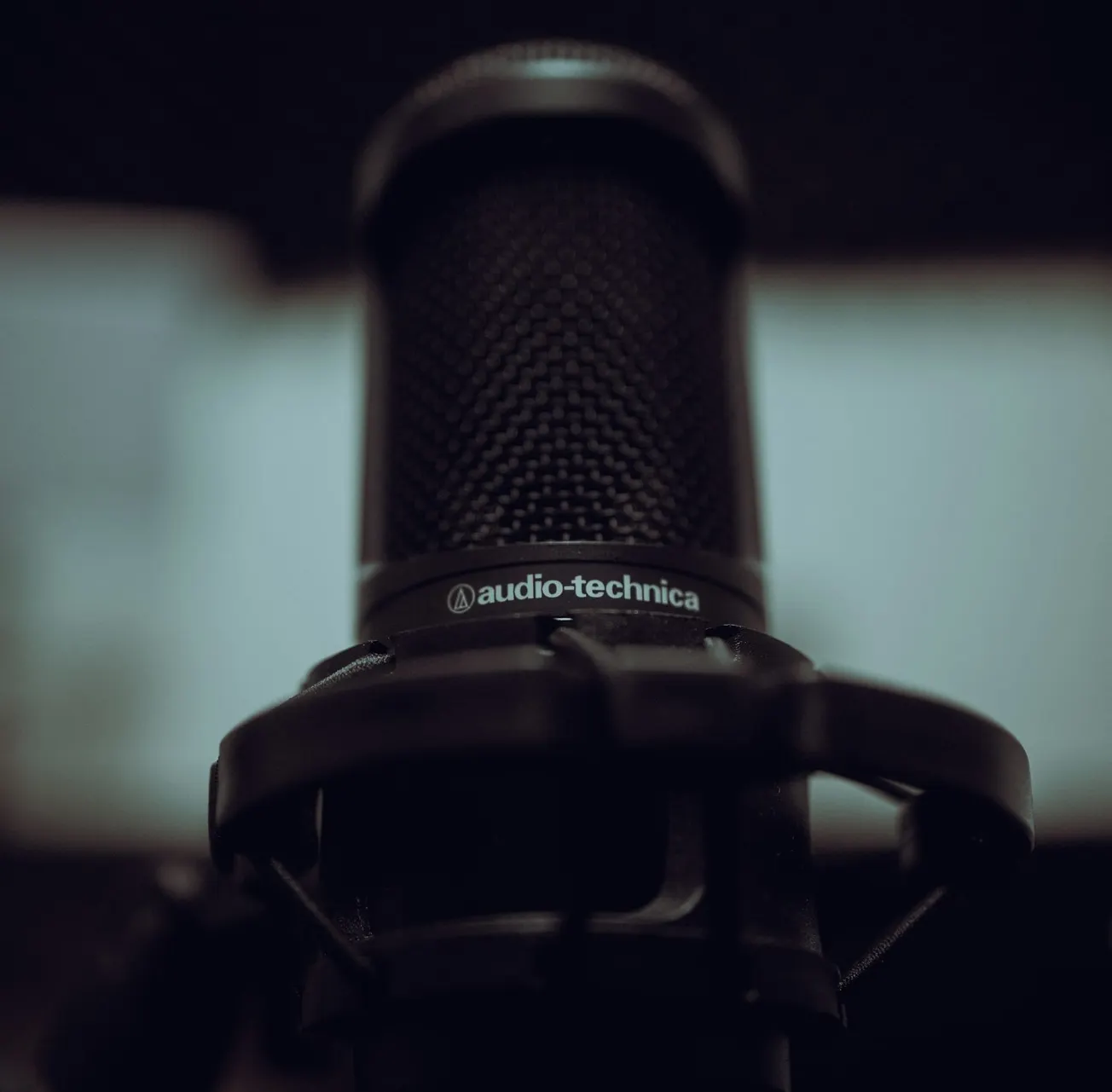
In a controlled, acoustically treated environment, a high-end condenser microphone captures incredible detail. However, in a standard office or home studio, that same sensitivity becomes a liability. Condenser microphones are notorious for picking up ambient noise, such as air conditioning units, computer fans, and distant traffic.
For most creators, a high-quality dynamic microphone is a much safer investment. Dynamic microphones are less sensitive to room acoustics and excel at rejecting off-axis noise. This makes them ideal for environments that are not perfectly soundproofed. Investing in a reliable dynamic microphone often yields a more professional, "broadcast" sound without requiring thousands of dollars in room renovations.
Avoiding The Trap Of Budget Acoustic Foam
Acoustic treatment is essential for professional audio, but many beginners fall for inexpensive, thin foam panels found on mass-market retail sites. These products are often too thin to absorb lower frequencies and primarily serve as aesthetic additions rather than functional tools. They do little to stop the "boxiness" or echo that plagues untreated rooms.
Effective acoustic treatment requires density. Professional studios utilize bass traps and thick mineral wool panels to actually manage sound waves. For those on a budget, it is often more effective to use heavy moving blankets or strategically placed bookshelves than to cover walls in low-quality foam. Understanding how sound moves in a space allows for better results with fewer, higher-quality materials.
The Hidden Costs Of High-Resolution Video
It is easy to believe that recording in 4K or 8K resolution is a requirement for modern video production. While high resolution provides flexibility in editing, it also demands significant hardware upgrades. High-resolution files require faster computers, more expensive storage solutions, and significantly longer upload and processing times.
For many businesses and educators, a clean 1080p signal with excellent lighting is more effective than a grainy or poorly lit 4K video. Focusing on lighting equipment and a stable tripod often provides a more noticeable jump in quality than simply buying a more expensive camera body. Ensuring that the subjects are well-lit and the frame is clear creates a professional aesthetic that resolution alone cannot provide.
Prioritizing Workflow Over Hardware
The most expensive piece of equipment in any studio is the one that goes unused because it is too difficult to set up. Professional creators often advocate for a "frictionless" setup where recording can begin with the flip of a switch. This might mean choosing a USB microphone for quick updates or a simple LED ring light that stays permanently mounted to a desk.
Successful content creation is built on consistency. When a studio setup is too complex, the barrier to entry for each recording session increases, leading to fewer uploads and slower growth. By focusing on essential, reliable gear and avoiding the "gear acquisition syndrome" that affects many beginners, creators can build a sustainable workflow that scales with their needs.
For more insights on building an efficient production space, explore our guides on essential podcasting equipment and optimizing your home office for video.