
The narrative that movie theaters are a relic of the past is being dismantled by the very demographic many assumed would destroy them. While industry analysts once feared that short-form social media and streaming services would permanently distract younger viewers, new data suggests the opposite. Generation Z and Millennials have emerged as the primary engines of the 2026 box office recovery, proving that the desire for a communal, large-scale cinematic experience is stronger than ever.
Understanding the Generational Shift in Cinema
A comprehensive study of over 7,000 moviegoers by Fandango highlights a stark contrast in theatrical habits across age groups. The data shows that 87% of Gen Z and 82% of Millennials visited a theater at least once in the past year. In comparison, only 58% of Baby Boomers participated in the theatrical experience during the same period. These younger cohorts are not just casual viewers; they are power users who average approximately seven theater visits annually.
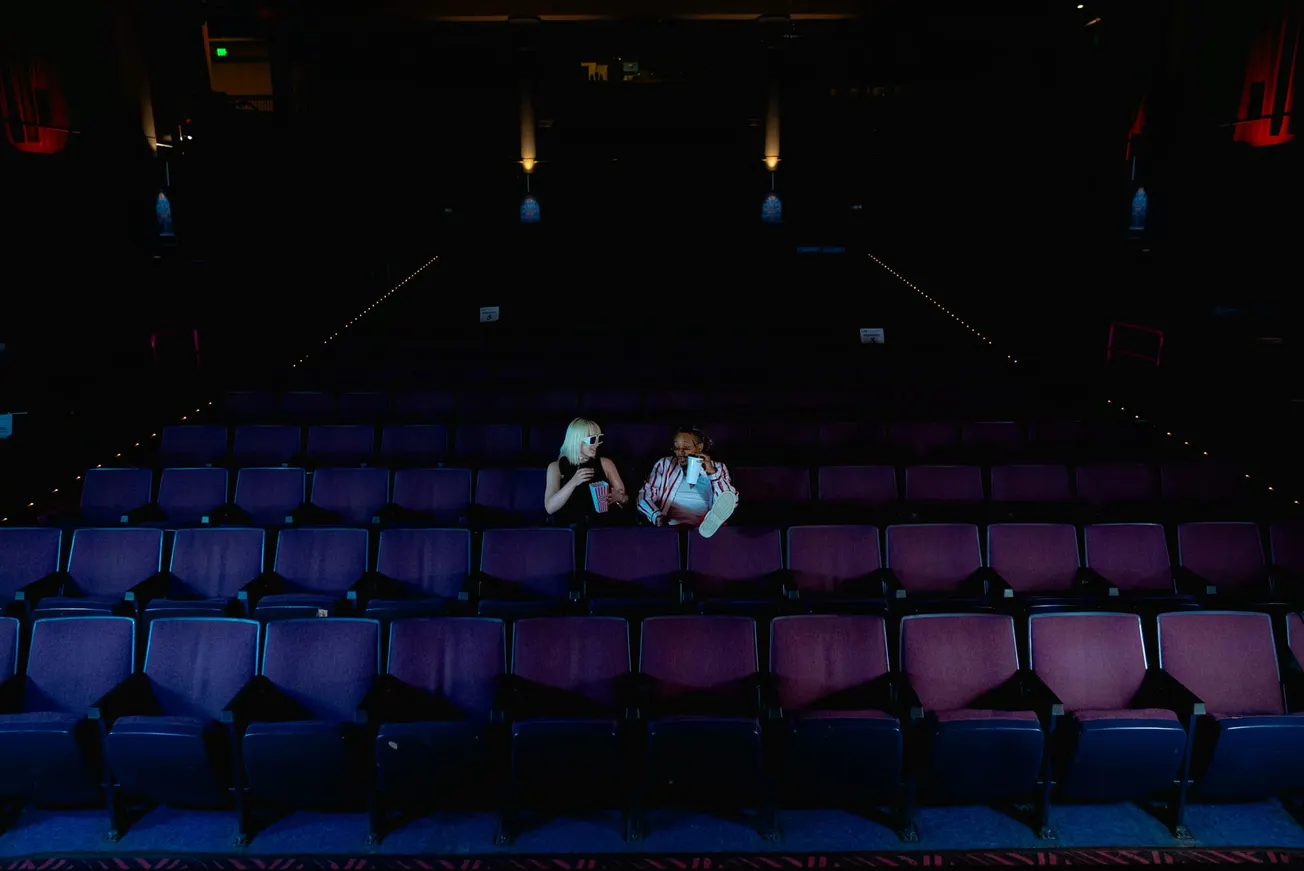
This shift indicates that younger audiences view the cinema as a vital third space—a location outside of home and work where people can gather and socialize. For a generation that spent formative years socially distanced, the physical and communal nature of a movie theater offers a unique value proposition that a smartphone or laptop cannot replicate.
The Rise of Premium Large Format Demand
Perhaps the most significant finding for the film industry’s bottom line is the willingness of Gen Z and Millennials to pay for upgrades. Younger audiences are significantly more likely to invest in IMAX, Dolby Cinema, and other Premium Large Format (PLF) screens. This preference for high-end audio and visual quality suggests that when younger viewers go to the movies, they are looking for a sensory event rather than just a story.
This trend provides a clear directive for creators and production teams. To attract this demographic, content must emphasize theatricality. This involves leaning into immersive soundscapes, meticulous production design, and cinematography that utilizes the full scale of a premium screen. By giving the audience a technical reason to leave their couches, filmmakers can secure the loyalty of these high-frequency consumers.
Cultural Currency and Social Proof
For Gen Z, moviegoing has become a form of social currency. Platforms like Letterboxd and TikTok have transformed the act of watching a film into a loggable event and a conversation starter. Younger viewers are heavily influenced by digital word-of-mouth and the desire to be part of the cultural moment surrounding a major release.
Filmmakers and marketers can leverage this by creating projects with a unique visual identity or provocative themes that spark online debate. When a film becomes a part of the social media ecosystem, it gains a level of social proof that traditional advertising cannot buy. This digital-to-physical pipeline is essential for driving opening weekend numbers and maintaining long-term momentum in the modern market.
Strategic Takeaways for Content Creators
The success of the box office in 2026 demonstrates that the audience is not disappearing; it is simply changing its expectations. To align with current market trends, businesses and creators should focus on three specific areas:
First, prioritize variety and originality. While franchises remain popular, there is a growing appetite for fresh concepts that feel of the moment. Second, treat the release of content as an event. Whether it is a feature film or a high-end video series, creating a sense of urgency and community engagement is key. Finally, understand the platform. Marketing must exist where the audience lives, utilizing authentic digital engagement to drive real-world action.
By shifting focus away from the demographics that have stayed home and toward the younger generations already standing in line, the industry can ensure a sustainable future for theatrical storytelling. The goal is no longer just to show a movie, but to facilitate a shared experience that resonates long after the credits roll.
More about Gen Z:
 Staff Report
 Staff Report
 Staff Report