

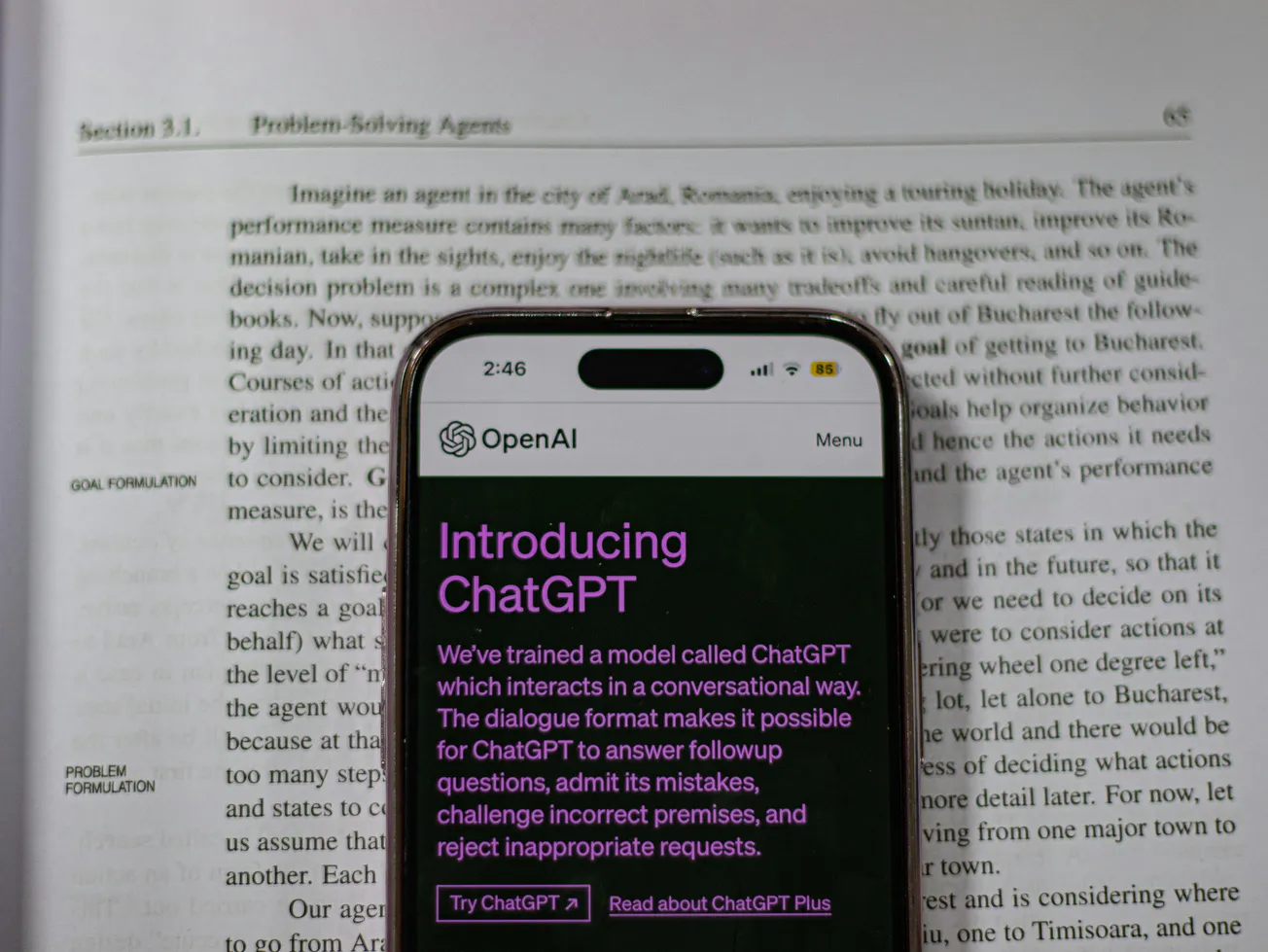
In today’s digital landscape, artificial intelligence (AI) is transforming the way we approach content creation. With its ability to streamline processes, improve quality, and enhance personalization, AI is becoming an essential tool for creators and marketers alike.
AI signifies a leap in technology, embodying systems that replicate human intelligence functions. This includes techniques like machine learning and natural language processing, which empower computers to analyze data, make decisions, and learn from experience.
The enhancement of content production cycles through AI minimizes manual workload and amplifies creativity, making it relevant to anyone in the creative sector.
AI in Content Generation
AI’s capability for generating content has evolved remarkably, paving the way for tools that can create articles, marketing copy, and even multimedia content.
Text Generation
Platforms such as OpenAI’s GPT-4 are examples of advanced systems that produce human-like text, permitting creators to focus more on strategic tasks rather than the ordinary grind of drafting.
Image and Video Generation
Tools like DALL-E and Midjourney allow for stunning image creation based on simple prompts, revolutionizing how businesses can generate graphics. Similarly, AI-powered video tools provide automated content creation, marrying text and visuals effortlessly.
Enhancing Content Quality with AI
Beyond creation, AI can refine existing content significantly.
Grammar and Style Improvement
AI-driven applications like Grammarly analyze text for grammar and stylistic nuances, allowing content creators to elevate their work without extensive manual editing.
Audience Engagement
AI helps tailor content for audience tastes, analyzing data to fine-tune messaging for better reach. For example, AI can recommend topics based on previously consumed content, increasing relevance and engagement timestamps.
Personalized Recommendations and Efficiency Gains
AI excels in curating content based on user preferences.
Smart Recommendation Engines
Tools like Recombee analyze user behavior to serve tailored content suggestions, ensuring ongoing relevance and engagement.
Furthermore, businesses report up to 40% productivity gains with AI implementations, as mundane tasks are automated, allowing for creative ideation to flourish.
Addressing Ethical Concerns and Risks
Despite AI's advantages, ethical implications are significant. Data privacy issues and bias in AI outputs can lead to problems if unchecked.
Responsible AI Practices
To mitigate risks, companies must prioritize responsible AI use, ensuring transparency, accountability, and privacy safeguards. Microsoft’s principles for responsible AI can guide businesses towards ethical usage.
Conclusion
AI is reshaping content creation, offering powerful tools to produce, refine, and personalize content seamlessly. However, it’s crucial for distinct organizations to implement responsible practices to counteract the potential downsides.
For businesses eager to enhance their content strategy, utilizing AI tools could provide a competitive edge and enable significant productivity improvements.