
The Foundation of Professional Video
While high-end cameras and lenses are essential for modern video production, the quality of a video is ultimately determined by its lighting. For businesses and creators, the 3-point lighting setup remains the gold standard for creating a professional, polished aesthetic. This technique provides depth, dimension, and clarity, ensuring that the subject stands out from the background while maintaining flattering facial features.
In 2026, the rise of affordable, high-CRI (Color Rendering Index) LED panels has made professional lighting accessible to even the smallest content teams. Understanding how to position these lights is critical for reducing technical friction and improving viewer engagement. This guide outlines the standard configuration and the specific roles each light plays in a professional interview rig.
The Key Light: Primary Illumination
The key light is the most important component of the setup, serving as the primary source of illumination. It is typically the brightest light and dictates the overall exposure and mood of the shot. For a standard interview, the key light should be positioned approximately 45 degrees from the camera-subject axis and slightly above the subject's eye level, angled downward.
This placement creates natural shadows that define the shape of the face. According to documentation from Ikan International, placing the key light at a 15- to 30-degree downward angle helps to avoid flat lighting while adding a professional catchlight to the eyes. For a more flattering look, a softbox is recommended to diffuse the light, smoothing skin textures and softening the transitions between light and shadow.
The Fill Light: Controlling Contrast
The fill light is placed on the opposite side of the camera from the key light. Its purpose is not to eliminate shadows entirely, but to soften them and reveal detail on the darker side of the subject's face. Without a fill light, the contrast between the lit and unlit sides can become too dramatic for corporate or educational content.
A common practice is to keep the fill light at a lower intensity than the key light, typically aiming for a 2:1 or 3:1 ratio. For creators on a strict budget, a simple white foam core board or a collapsible reflector can replace a secondary fixture. By bouncing light from the key source back onto the subject's face, a reflector provides a natural fill that perfectly matches the color temperature of the main light.
The Back Light: Creating Separation
The third and final component is the back light, also known as the hair or rim light. This light is positioned behind the subject, usually high and slightly to one side, aimed at the back of the head and shoulders. Its primary function is to create a thin outline of light that separates the subject from the background, adding a sense of three-dimensional depth to the two-dimensional video frame.
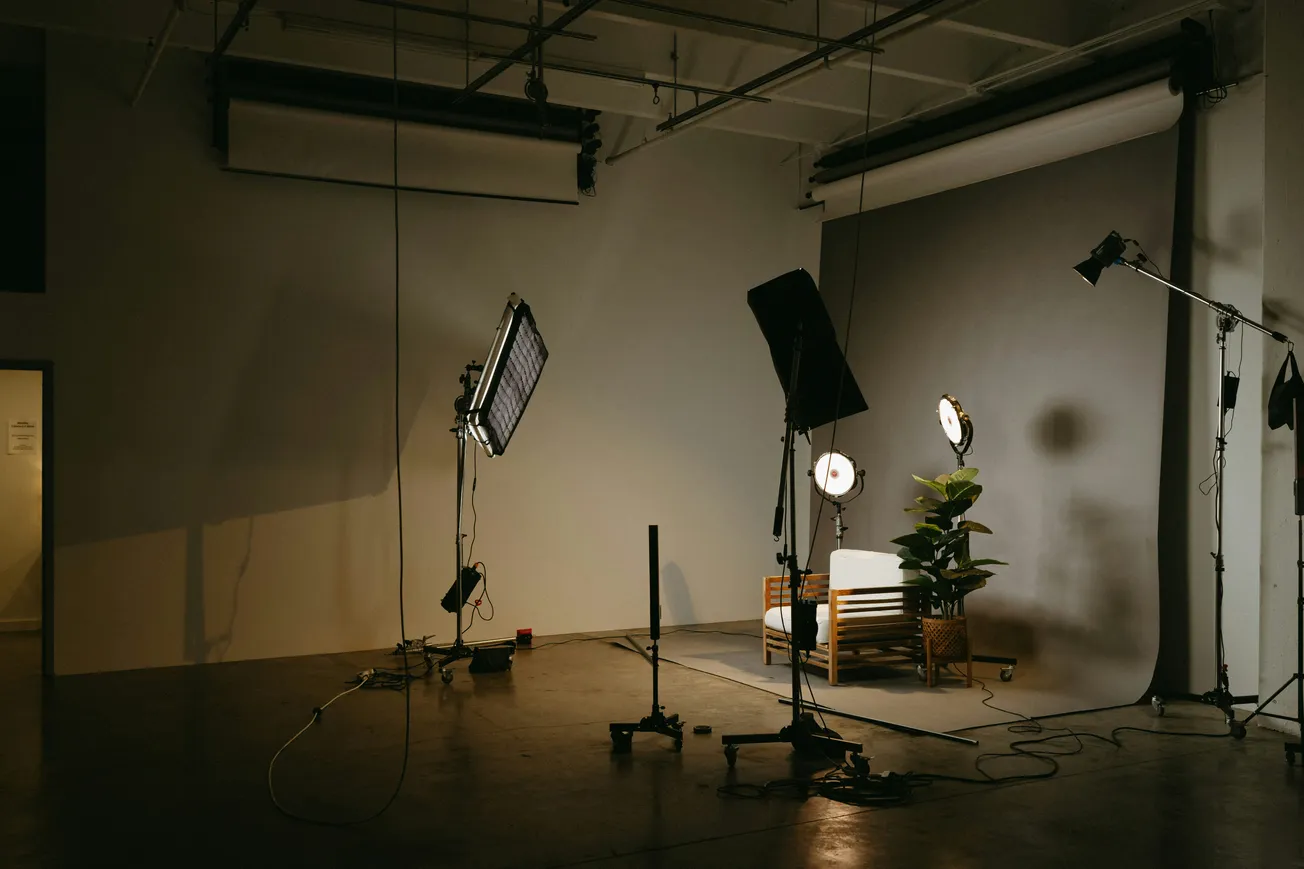
This separation is particularly important when a subject is wearing dark clothing or sitting in front of a dark background. The back light should be used judiciously; if it is too bright, it can create a distracting "halo" effect. Most professional setups in 2026 utilize small, focusable LED spotlights for this role, allowing for precise control over the beam to ensure it does not spill into the camera lens and cause unwanted flare.
Adapting the Setup for Modern Workflows
While the 3-point system is a standard, it is highly adaptable. Modern production teams often add a fourth "background light" to illuminate a logo, plant, or wall texture, further enhancing the environment's visual interest. For remote or solo creators, integrated kits now allow for app-based control, enabling users to adjust the brightness and color temperature of all three lights simultaneously from their smartphone.
Mastering this setup allows businesses to produce consistent, high-quality video content that builds trust and authority. By understanding the interaction between the key, fill, and back lights, creators can transform any office or spare room into a professional studio.
More about lighting:
 Staff Report
 Staff Report
 Dan Craft