

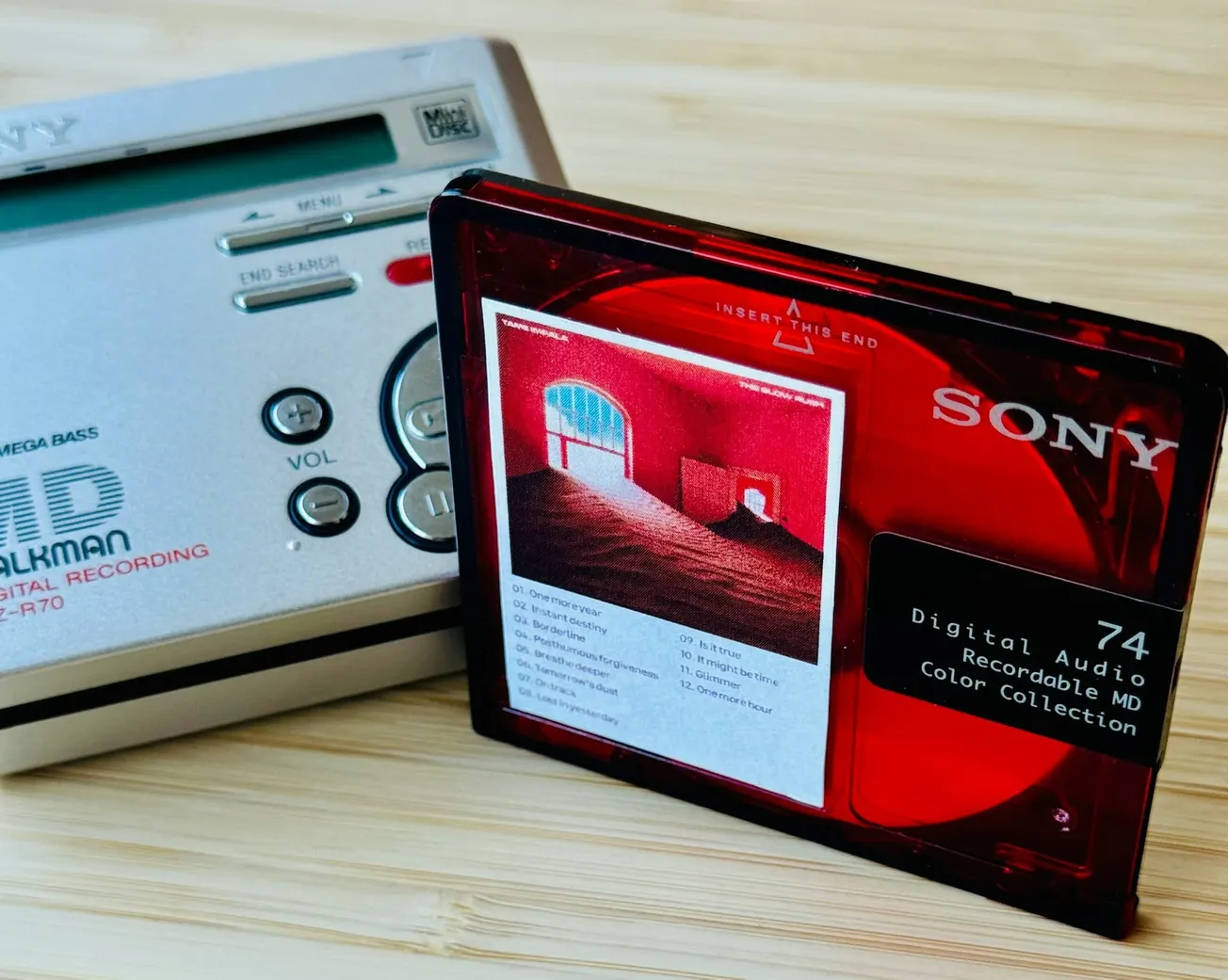
The Unseen Value: What MiniDisc's Revival Teaches Content Creators
Reports of a single MiniDisc album selling for nearly $2,500 recently captured headlines, suggesting a "gold rush" for this once-obsolete audio format. While such a sale is certainly striking, it often masks the true dynamics of niche markets and collectible media.
This article deconstructs the surprising comeback of MiniDisc, offering crucial insights for modern content creators, small businesses, and marketing teams. Understanding this unique market provides valuable lessons in community building, content strategy, and identifying genuine value beyond superficial hype in the digital storytelling landscape.
Beyond the Headline: Decoding Niche Market Dynamics
The highly publicized $2,499 sale of a Depeche Mode "Violator" MiniDisc was a fixed-price listing, representing an individual transaction rather than a broad market indicator. Deeper analysis of sales data from ValueYourMusic reveals a much more nuanced reality for MiniDisc collecting.
Most of the 51,400 tracked MiniDisc items sold for under $100, with a significant majority falling below $50. Only a minuscule 0.23 percent of all recorded sales cleared the $500 mark, demonstrating that top-tier prices are rare exceptions within this specialized market.
Examples like a Michael Jackson "Invincible" MiniDisc fetching over $2,100 through competitive bidding in late 2023 illustrate genuine demand at the market's thin top. However, factors like condition, edition (e.g., Japanese pressings, sealed copies), and the number of competing buyers significantly influence final prices, making precise valuation complex.
Large collection sales, while dramatic in total value, further complicate individual album pricing without detailed knowledge of their contents and distribution of value. Unlike trading cards, MiniDisc lacks a standardized grading system, meaning descriptions such as "near mint" rely heavily on seller judgment.
The Scarcity Principle: Supply, Demand, and Content Longevity
Sony officially ceased production of blank MiniDiscs in February 2025, marking the definitive end of new supply for the format after other manufacturers had long exited the market. This finality now directly influences pricing for both blank media and used players, which range from under $40 to over $300 for sought-after models.
MiniDisc's audio quality, utilizing the ATRAC codec, was often unfairly criticized in its time, offering a sound profile much closer to CD than the compressed MP3s of the file-sharing era. This technical resilience contributes to its appeal among collectors who value fidelity and the unique playback experience.
The production halt means that both prerecorded albums and recordable blanks now rely on the same finite pool of aging stock. This dynamic illustrates a slow attrition model, where every damaged disc, broken player, or item absorbed into a private collection permanently shrinks the available supply, impacting the long-term accessibility of this physical media format.
Despite growing scarcity, demand also has inherent limits, as Sony sold roughly 22 million players worldwide—a modest installed base compared to more widespread formats. Creators should note that scarcity alone does not guarantee high value without a sustained and dedicated audience capable of engaging with the content.
Cultivating Community: The Lifeline of Obsolete Formats
MiniDisc occupies a unique middle ground between mass-market nostalgia and true obscurity, making its revival particularly compelling. Its relatively weak American debut ensured it never became truly ordinary, yet its global sales provided enough hardware and albums to support an active collecting community.
Cultural appearances, such as its prominent role in "The Matrix" or revelations about its use in Radiohead's "OK Computer" archives, helped maintain its iconic status. These moments linked MiniDisc to a particular vision of future tech and physical media, preventing it from fading entirely from public memory.
Crucially, the collector community has actively preserved MiniDisc's usability, transforming it into a living ecosystem. Conventions like MDCon provide physical spaces for trading and knowledge exchange, while volunteer developers maintain open-source tools like Web MiniDisc Pro, allowing owners to transfer music without obsolete software.
The MiniDisc Wiki further supports this network with repair guides and equipment information, while new hardware projects, like custom-milled players, demonstrate a sustained niche demand. Small labels and independent artists also continue to release new music on MiniDisc, showcasing its enduring creative relevance beyond original corporate support.
Practical Takeaways for Modern Creators
The MiniDisc phenomenon offers more than just an interesting anecdote; it provides vital lessons for content creators, marketers, and businesses alike. Its comeback isn't a call for widespread investment in obsolete formats, but a masterclass in understanding the true nature of niche markets and community-driven value.
Creators should look beyond sensational headlines and instead focus on researching genuine market dynamics, audience engagement, and the specific factors that drive value for their content. This approach empowers them to make informed decisions about content distribution, archiving, and monetization strategies, whether in audio, video, or digital publishing.
The enduring appeal of MiniDisc underscores the power of a dedicated community, the long-tail value of unique content, and the potential for older technologies or niche formats to find new life. By understanding these principles, creators can build more resilient, scalable, and effective content strategies for their own digital storytelling endeavors.


