
The Evolving Landscape of Multi-Format Podcasting
The trend of simulcasting podcasts—releasing a video version on YouTube alongside the traditional audio feed—has seen a significant surge in adoption throughout the industry. According to Podcast News Daily, more creators than ever are utilizing YouTube as a discovery engine.
However, despite the platform’s massive reach, new performance metrics suggest that YouTube still trails behind dedicated audio platforms when it comes to measurable advertising effectiveness and listener conversion.
For businesses and creators, this data highlights a critical distinction between audience reach and audience action. While YouTube offers a powerful visual component that can help humanize a brand or demonstrate a product, the "lean-back" nature of video consumption appears to result in lower immediate engagement with calls to action compared to the intimate, "lean-in" experience of audio-only listening.
This discrepancy poses a unique challenge for marketing teams looking to balance brand awareness with direct response results.
Conversion Disparities Between Audio and Video
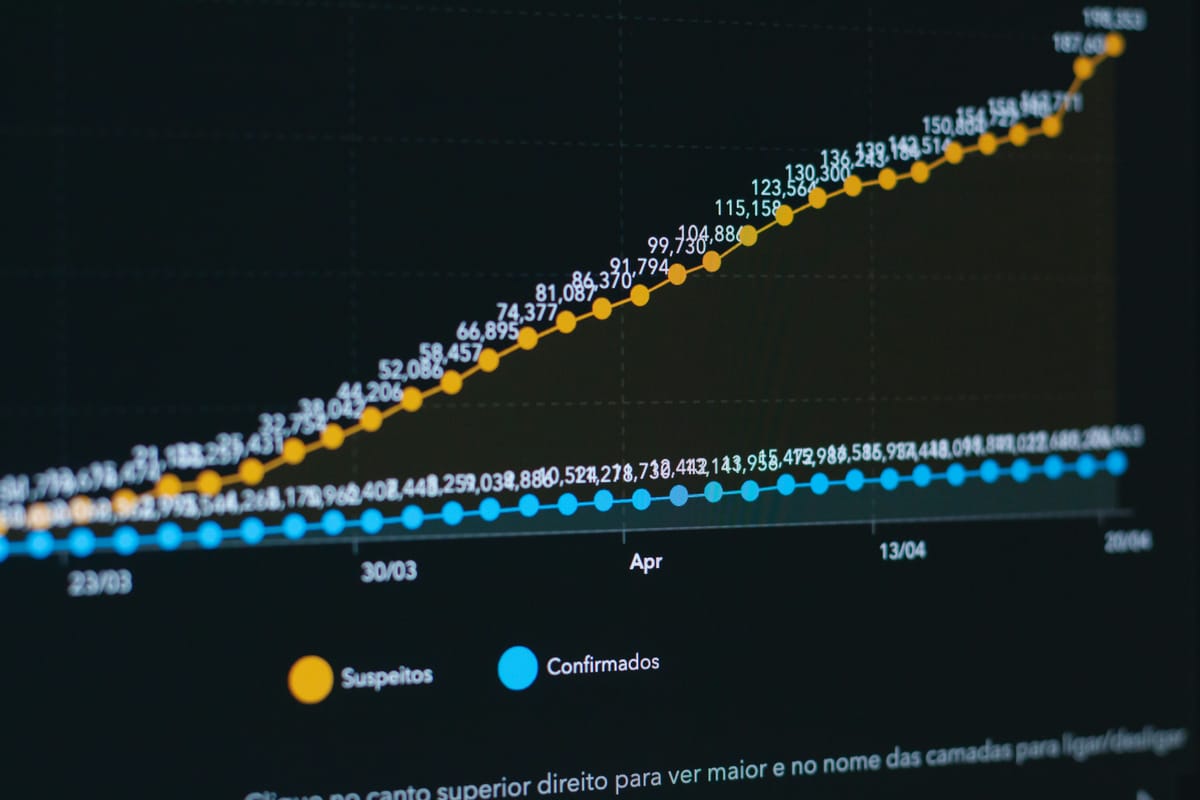
Podscribe’s analysis of millions of podcast downloads and video views reveals that audio-only podcasts continue to hold a significant lead in conversion rates. On average, audio listeners are more likely to follow through on a promotional code or a specific URL mentioned during an episode. This is often attributed to the multitasking nature of podcast consumption; listeners frequently tune in while driving, exercising, or working, creating a consistent "theatre of the mind" where the host's voice carries a high degree of perceived authority and trust.
In contrast, YouTube viewers often treat podcast content as background noise or secondary entertainment. Because YouTube is a visual-first platform, the presence of competing on-screen elements—such as suggested videos, comments, and ads—can distract from the core message of the creator. For educators and small businesses, this means that while a YouTube presence is vital for search engine optimization and accessibility, the audio feed remains the primary driver for deep audience connection and measurable growth.
Strategic Integration of Video Simulcasting
Despite the lower conversion benchmarks, the surge in simulcasting is not without merit. YouTube serves as a powerful top-of-funnel tool, introducing new audiences to a show who might never have discovered it through an RSS feed. The platform's sophisticated recommendation algorithm can surface video clips to users based on their interests, effectively acting as a discovery engine for long-form content.
Successful creators in 2026 are increasingly adopting a "video-assisted" workflow. Instead of simply pointing a camera at a microphone, they are designing their studios to be visually engaging environments that reflect their brand identity. By treating the video version as a distinct product rather than a secondary afterthought, creators can improve retention. This includes using multi-camera setups, high-quality lighting, and on-screen graphics that complement the spoken word, thereby reducing the friction between the two formats.
Optimizing for a Hybrid Media Future
As the industry continues to move toward a hybrid model, the goal for businesses is to reduce the technical complexity of producing both audio and video simultaneously. High-quality recording equipment and specialized video software now allow for streamlined workflows where a single recording session generates assets for all platforms. However, the editorial focus must remain on the quality of the conversation and the value provided to the listener or viewer.
Marketing teams should consider a tiered approach to podcast advertising. Audio-only spots may be best suited for direct-response campaigns where a specific action is required, while YouTube integrations might be prioritized for brand storytelling and visual demonstrations. This nuanced understanding of platform performance ensures that resources are allocated effectively to maximize both reach and impact.
Building a Resilient Content Strategy
The shift toward simulcasting represents a permanent change in how digital media is consumed. While audio remains the gold standard for conversion, the visual reach of YouTube cannot be ignored by those looking to scale their authority. By understanding the performance gap identified by Podscribe, creators can better manage their expectations and refine their calls to action to suit each medium.
Exploring modern recording workflows and the benefits of professional studio environments can help creators bridge the gap between high-quality audio and compelling video. As the media landscape becomes increasingly fragmented, the ability to tell a cohesive story across multiple formats remains the most valuable skill for any brand. Continuing to monitor industry news and performance benchmarks will provide the necessary insights to navigate this evolving multi-platform environment.
More about publishing:
 Staff Report
 Staff Report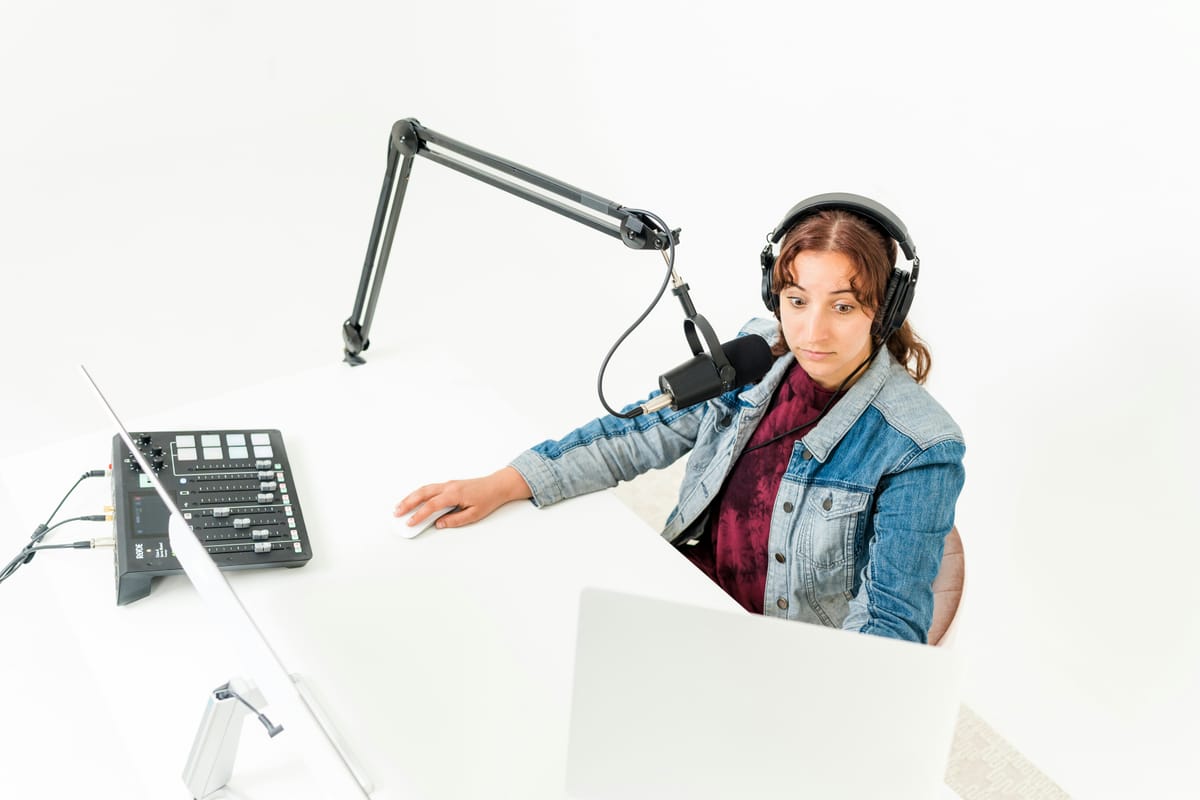
 Staff Report