
The Big Screen Pivot: YouTube’s Living Room Conquest
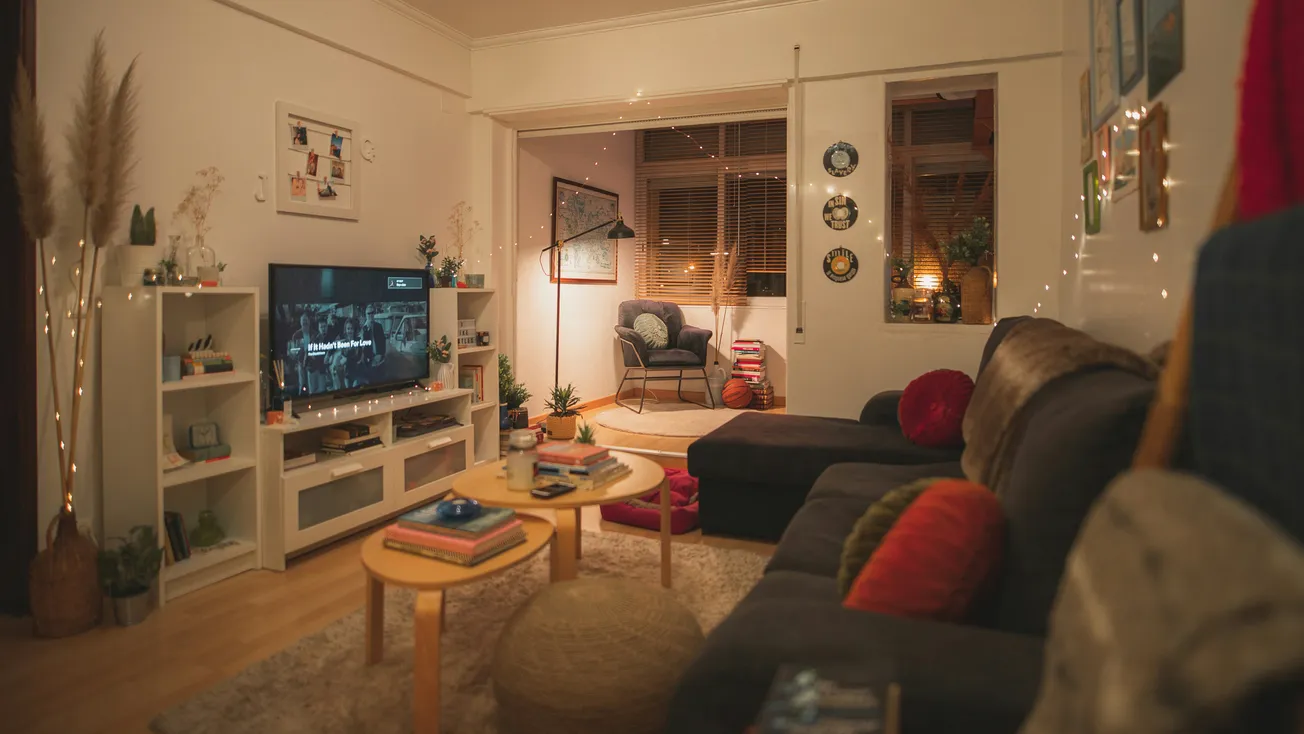
A significant shift in digital consumption is currently unfolding as YouTube solidifies its position as the dominant force in the living room. According to analysis by Ian Shepherd for Forbes, the platform has transcended its origins as a mobile "distraction" to become a primary destination for Connected TV (CTV). In 2026, streaming now accounts for nearly 45 percent of all television viewership, with YouTube leading the charge as the most-watched individual service on the big screen.
For many households, the YouTube app is now the first thing opened when the television is turned on. This trend is particularly pronounced among younger demographics; recent data suggests that 20 percent of Gen Alpha viewers treat YouTube as their default television experience. However, despite this massive migration of attention, a disconnect remains: many Fortune 500 brands are failing to adapt their creative strategies to this cinematic environment.
The Cost of the "Short-Form" Obsession
In recent years, marketing budgets have aggressively shifted toward vertical, short-form platforms like TikTok and Instagram Reels. While these channels are effective for rapid discovery and viral "hooks," they often lack the depth required to build long-term brand authority. Ian Shepherd notes that by over-indexing on 15-second clips, brands are missing the "slow-burn" engagement that happens on the living room screen.
Long-form YouTube content—such as documentaries, deep-dive tutorials, and series-based entertainment—drives significantly higher purchase intent. When a viewer watches a 20-minute video on a 65-inch screen, they are in a "lean-back" immersive state rather than a "lean-forward" distracted state. This environment allows for more nuanced storytelling and emotional connection, which are the primary drivers of brand loyalty and "superfan" communities.
Connected TV: A Hybrid Creative Canvas
Connected TV represents a unique hybrid of linear television’s high-impact visuals and digital media’s precise targetability. In 2026, the distinction between "TV ads" and "YouTube ads" has all but disappeared. Brands now have the ability to run high-definition, cinematic creative that is also shoppable and trackable.
Key advantages of the CTV living room experience include:
- High Brand Recall: Viewers watching on a TV screen report a 57 percent preference for CTV ads over traditional linear commercials.
- Co-Viewing Opportunities: Unlike mobile phones, which are solitary devices, the living room screen often involves multiple viewers, increasing the earned reach of every impression.
- Lower Competition: While mobile feeds are saturated with noise, the CTV environment offers a less cluttered space for premium brand storytelling.
Strategies for Closing the Growth Gap
To stop missing out on the living room opportunity, businesses must evolve their production workflows. It is no longer sufficient to "repurpose" mobile ads for the big screen. Creative teams should prioritize "TV-first" storytelling, focusing on pacing, visual quality, and audio fidelity that matches the expectations of a cinematic environment.
According to industry insights from Navigate Video, the brands that win in 2026 will be those that build their own "TV channels" on YouTube. This means moving beyond one-off ad campaigns and toward consistent, long-form content series that serve as a destination for the audience. By leveraging YouTube's sophisticated recommendation algorithm and new interactive TV features, businesses can maintain a constant presence in the consumer's home.
Future-Proofing the Media Mix
The era of treating YouTube as "just another social platform" is over. As streaming officially overtakes cable and broadcast combined, the living room is the new frontline for brand competition. Businesses that master the balance between high-frequency short-form discovery and high-depth long-form engagement will be best positioned to scale in this evolving landscape.
For teams looking to refine their output for the big screen, our guide on cinematic video production workflows provides the technical foundation needed to meet today’s viewing standards. The transition from mobile to the living room is not just a change in screen size; it is a change in how stories are told and how relationships are built.