

Writer’s block is one of the most common creative obstacles in filmmaking, podcasting, and video production. Whether drafting a scripted series, outlining a documentary, or writing marketing copy for a video launch, the blank page can stall momentum fast.
A recent guide from No Film School explores practical prompts and structured exercises designed to help writers regain flow and rebuild creative confidence. Rather than waiting for inspiration, the approach focuses on action—using constraints and repetition to spark momentum.
For content creators and video producers, these techniques are especially relevant. Strong storytelling drives engagement, retention, and audience growth—regardless of platform.
Why Writer’s Block Happens
Creative block often stems from perfectionism, overwhelm, or lack of structure. In video and podcast production, it can also emerge during transitions—moving from idea to script, from interview transcripts to narrative arc, or from rough cut to final polish.
No Film School’s coverage emphasizes that writer’s block is rarely about a lack of ideas. More often, it’s about friction. When the pressure to “get it right” becomes too high, forward motion stops.
The solution is rarely waiting. It’s writing anyway—under different rules.
Prompt-Based Writing: Lowering the Stakes
One strategy highlighted in the No Film School guide is the use of targeted prompts. Prompts introduce boundaries that limit decision fatigue. Instead of asking, “What should this script be about?” a prompt might require writing a scene with only dialogue, describing a location in five sensory details, or rewriting a moment from another character’s perspective.
For video creators, this can translate into:
- Drafting a cold open without worrying about the rest of the script
- Writing a voiceover version of a scene before editing visuals
- Creating a one-paragraph “why this matters” summary before building structure
These exercises reduce the psychological weight of starting.
Timed Exercises to Build Momentum
Another technique involves time-boxed writing sessions. Short, focused bursts—often 10 to 20 minutes—remove the expectation of perfection. The goal is output, not polish.
For podcasters scripting solo episodes or YouTube creators planning narrative segments, timed writing can accelerate ideation. Recording rough thoughts first and refining later mirrors this principle in audio form.
This approach aligns with production best practices: draft quickly, edit deliberately.
Rewriting as a Creative Tool
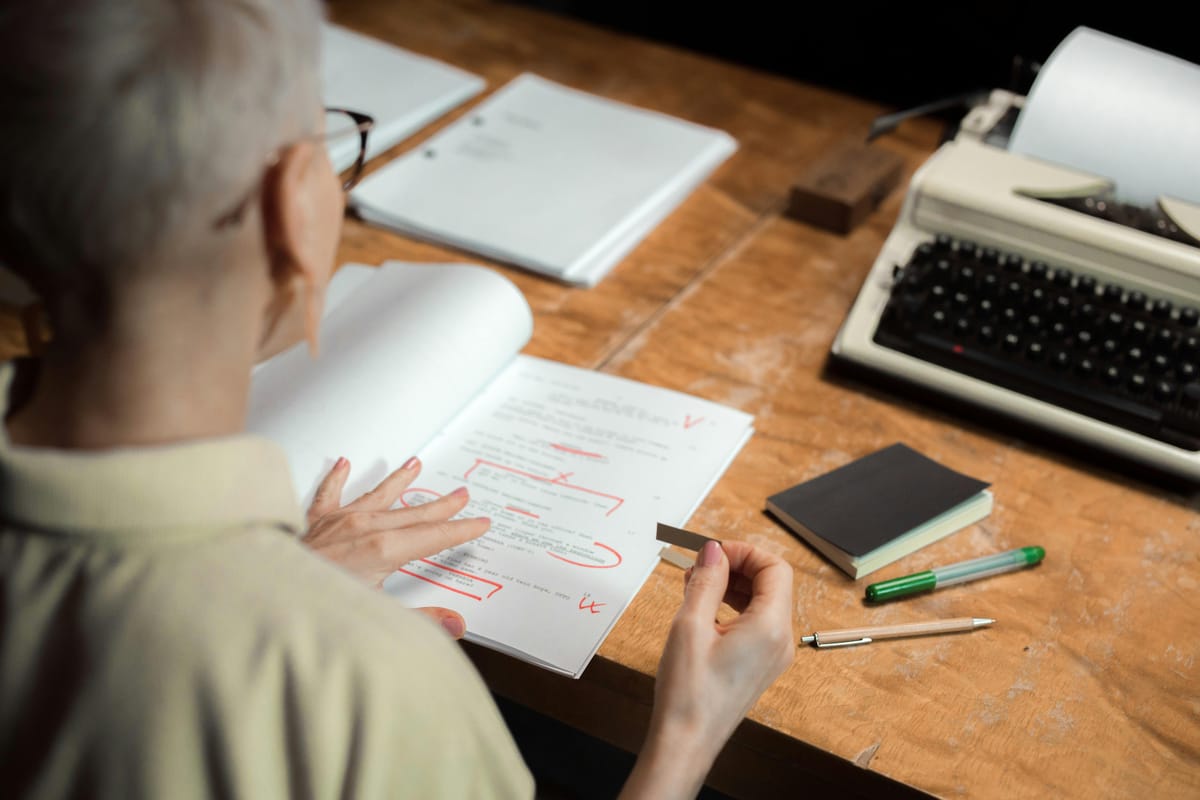
The guide also explores rewriting exercises. Taking an existing scene and changing its tone, genre, or format forces new perspectives. A dramatic scene becomes comedic. A documentary segment becomes fictionalized. A long-form script becomes a 30-second short.
For content creators, this method supports multi-platform repurposing. A podcast script can become a LinkedIn post. A YouTube script can be condensed into short-form video captions. Reframing material strengthens storytelling muscles while expanding distribution opportunities.
Why This Matters for Video and Podcast Creators
Writer’s block affects more than screenwriters. It impacts marketing teams drafting video campaigns, educators scripting lessons, and business owners outlining thought leadership content.
In a digital environment that rewards consistency, creative paralysis can stall publishing schedules. Structured prompts and exercises introduce systems where motivation once dominated.
For creators seeking additional workflow efficiency, related strategies include structured editing systems and batching production tasks, as explored in resources like Conquer Your Content Mountain: Editing Tips for Overwhelmed Creators and How Influencers Edit Videos: Tools, Techniques, and Platform Strategies on PodcastVideos.com.
The takeaway is simple: creativity thrives under structure. Prompts are not limitations—they are catalysts.
Conclusion
The No Film School guide reinforces a timeless creative principle: writing is a practice, not a lightning strike. Prompts, timed exercises, and deliberate rewrites create movement when inspiration feels absent.
For video producers, podcasters, and digital storytellers, overcoming writer’s block is less about waiting for the perfect idea and more about building repeatable habits. When the page feels stuck, structure can unlock momentum—and momentum builds finished projects.
More about writing:
 Staff Report
 Staff Report
 Staff Report