

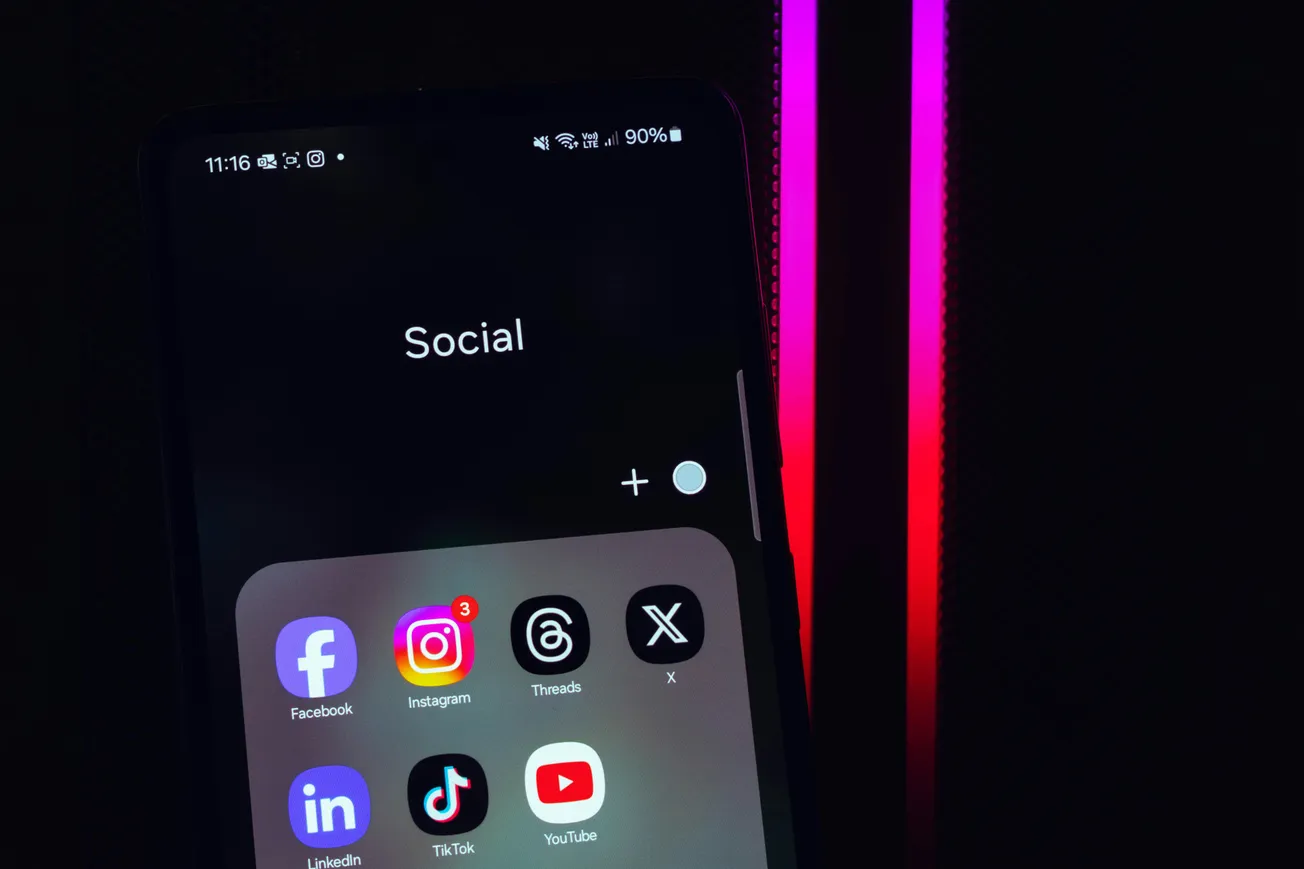
TikTok Expands Advertising Presence Beyond the Primary App
TikTok is set to increase the visibility of its advertising partners by introducing a more assertive ad format known as outstream video ads. Unlike the traditional "In-Feed" ads that users encounter while scrolling through the app, these new units are designed to appear outside of the TikTok ecosystem. By partnering with third-party mobile applications and websites, TikTok is effectively turning its massive creative library into a sprawling ad network that reaches users even when they are not actively using the social platform.
According to reporting from TechCrunch, these ads will often be non-skippable for a short duration, marking a shift in how the company approaches user engagement. This move follows a broader industry trend where social media giants seek to maximize the value of their vertical video assets by placing them in diverse digital environments. For businesses and creators, this means that content originally produced for TikTok may soon find a much wider, albeit more intrusive, audience across the mobile web.
The Mechanics of Outstream Video and User Experience
Outstream video refers to video advertisements that exist outside of a dedicated video player. These ads typically trigger as a user scrolls through a text-based article or uses a non-video mobile application. The primary draw for marketers is the guaranteed visibility; because the ads are integrated into the browsing experience, they often command higher attention rates than traditional banner advertisements.
However, the introduction of non-skippable elements introduces a new layer of friction for the end user. While this can lead to higher completion rates for advertisers, it also requires a delicate balance to avoid audience fatigue. Creators who utilize TikTok for brand storytelling will need to consider how their content translates to these "interrupted" contexts, where the viewer may not have chosen to engage with video content at that specific moment.
Strategic Implications for Digital Marketing and Branding
For small businesses and marketing teams, the expansion of TikTok’s ad network offers a powerful tool for brand awareness. The ability to retarget users across different apps using the same high-energy vertical video format allows for a more cohesive brand presence. This "omnichannel" approach ensures that a marketing message stays top-of-mind as a user moves between various digital tasks, from checking the weather to reading industry news.
The technical requirements for these outstream ads remain consistent with standard TikTok production. This allows creators to leverage existing workflows—such as those used for high-quality video editing and mobile-first storytelling—without needing to produce entirely new assets for different platforms. The focus remains on short, impactful visuals and clear messaging that can capture attention in the first few seconds of playback.
The Evolution of Social Media Ad Networks
TikTok’s move into outstream advertising signals its maturation as a global media company. By building a network that extends beyond its own interface, TikTok is positioning itself as a direct competitor to the established ad networks of Google and Meta. This evolution reflects a growing demand for video-centric advertising options that can scale across the entire internet, rather than being confined to a single "walled garden" application.
As the digital landscape becomes more crowded, the ability to reach audiences in non-traditional spaces will become increasingly valuable. Businesses that adapt to these new formats early will likely see a competitive advantage in terms of reach and frequency. However, success in this new environment will require a focus on high production quality and relevance to ensure that the "disruptive" nature of the ad does not negatively impact the brand's perception.