
The podcasting landscape in 2026 has reached a significant milestone, with monthly listenership now exceeding 55% of the United States population. While the medium was once defined strictly by its auditory nature, recent data from the Infinite Dial 2026 report indicates a profound shift in how audiences interact with content. Video has transitioned from an experimental add-on to a core component of the podcasting experience, yet audio continues to serve as the primary anchor for the majority of long-form storytelling.
Current research reveals that 80% of monthly podcast consumers now engage with both audio and video formats, depending on their environment and convenience. This hybrid behavior suggests that the industry is not moving toward a video-only future, but rather an omnichannel reality. For instance, a listener might watch a video version of a show on a connected TV in the evening but switch to the audio-only feed during a morning commute or workout. This flexibility is essential for businesses and creators who want to maximize their reach without alienating traditional listeners.
Platform dynamics have played a major role in this acceleration. YouTube has emerged as a dominant force, with roughly one-third of weekly podcast listeners in the U.S. naming it their primary platform for consumption. The visual nature of YouTube, combined with its powerful recommendation engine and the rise of YouTube Shorts, has made it a primary discovery tool for new shows. In response, Spotify has significantly expanded its video capabilities, with over 60% of its most popular shows now offering a video component to satisfy the growing demand for visual engagement.
The adoption of video is particularly pronounced among younger demographics and new podcast listeners. Data shows that 53% of new weekly listeners prefer a watchable format, compared to just 30% only a few years ago. However, the effectiveness of video often depends on the genre of the content. While categories like Comedy, Sports, and News skew heavily toward video consumption, others such as Science, History, and Fiction remain firmly rooted in audio. Creators must therefore assess their specific niche before investing heavily in complex video production.
Despite the visual surge, audio-only consumption remains a resilient and necessary part of the ecosystem. Approximately 13% of the audience identifies as listen-only, often citing the ability to multitask as the primary benefit of the format. This highlights a key challenge for video-first creators: video requires focused attention, with 44% of viewers reporting they never multitask while watching, compared to only 29% of audio listeners. Maintaining a high-quality audio feed ensures that a show remains accessible in low-attention environments where video is not feasible.
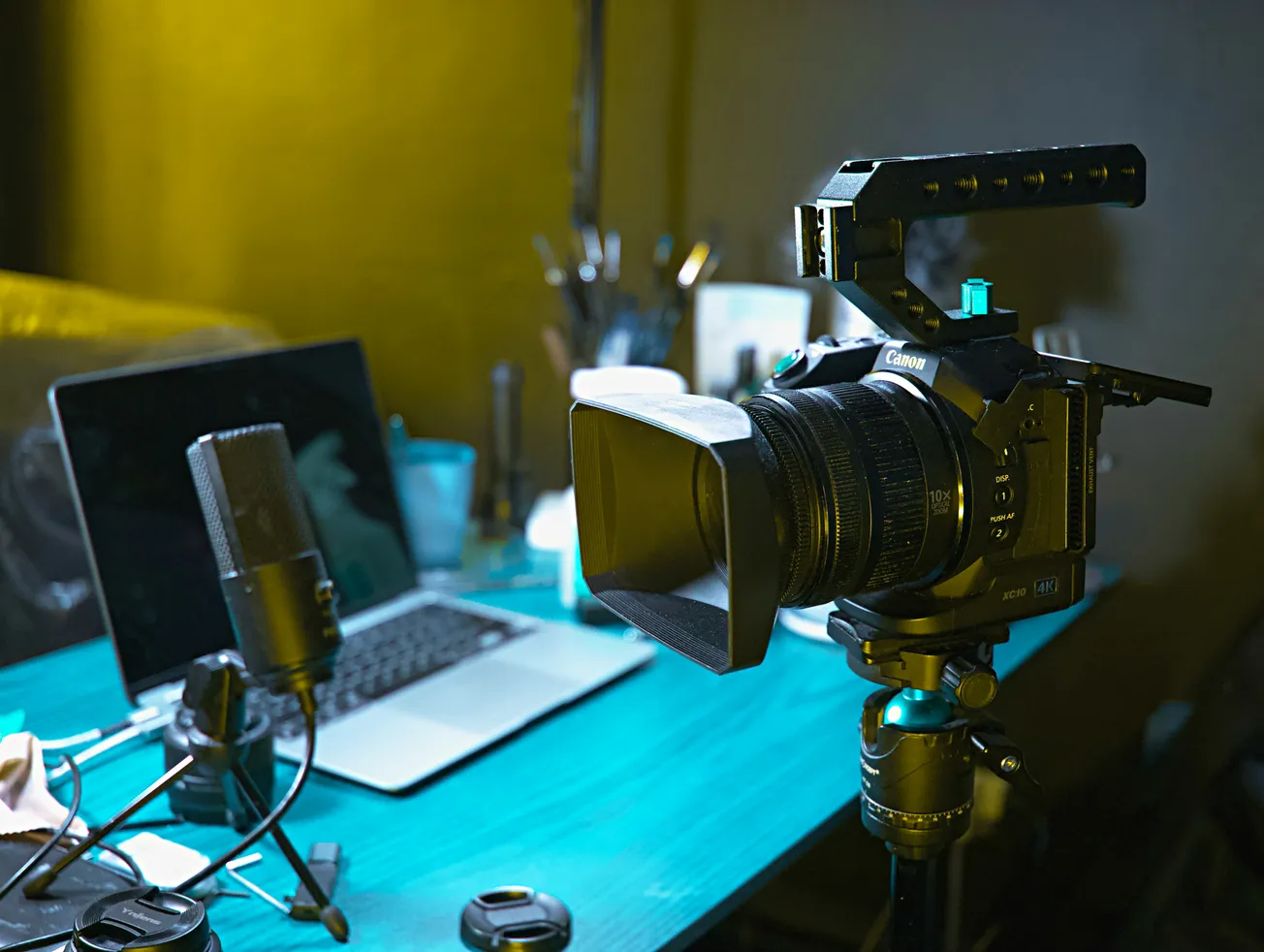
For businesses and content teams, the move toward video-enhanced podcasting offers new opportunities for monetization and brand building. Video allows for visual product placements, on-screen graphics, and more personal connections through facial expressions and studio context. These elements can build deeper trust with an audience, which is reflected in the projected $5 billion in global podcast advertising revenue expected by the end of 2026. Leveraging tools like AI-driven video editors and remote recording platforms can help teams scale this production without a massive increase in overhead.
As the industry continues to mature, the most successful creators are those who embrace a "video-aided" rather than "video-only" strategy. By producing a high-quality audio foundation and supplementing it with strategic video assets, businesses can reach audiences across all platforms and contexts.
This balanced approach reduces friction for the consumer while ensuring the content remains discoverable in a crowded media market. For more information on optimizing these workflows, exploring recent guides on Video Software and Recording can help refine your production standards.