
A Festival Reorganized and Redefined
The 2026 SXSW Film & TV Festival marked a significant turning point for the long-standing Austin event. Following a comprehensive overhaul of the convention center and a strategic reorganization across downtown, the festival felt more integrated than ever. This structural change mirrored the thematic shift within the programming, where the once-distinct worlds of "film" and "interactive tech" collided with unprecedented directness.
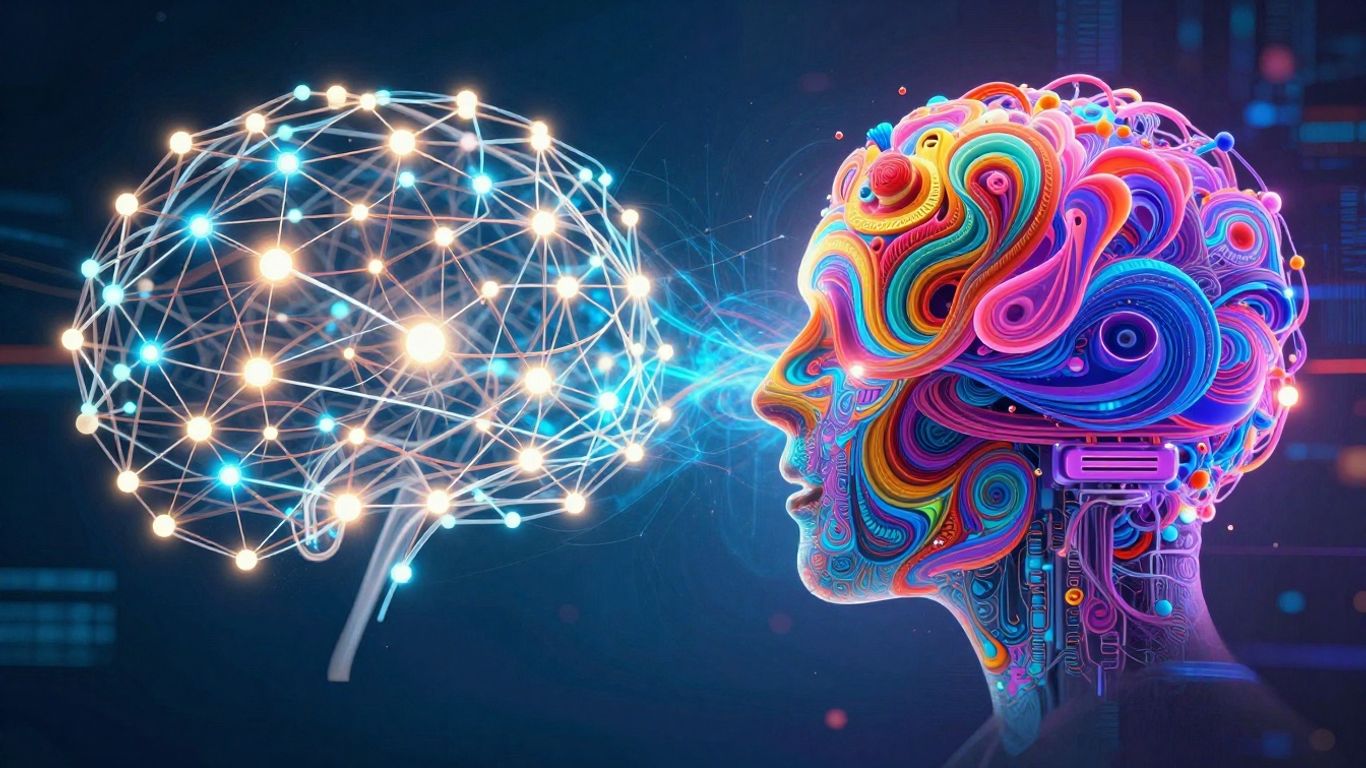
The defining theme of the year was the complex relationship between filmmakers and artificial intelligence. Rather than viewing AI as a simple tool or an outright enemy, the industry appears to be entering a "frenemy" phase. Conversations in 2026 have moved past theoretical debates into practical, often tense, discussions about how machine learning is reshaping the creative community and the very nature of storytelling.
The Human Hand vs. Synthetic Slickness
A recurring sentiment throughout the festival, echoed by industry veterans and emerging creators alike, was that "the human hand of it is the point of art." This philosophy was famously championed at the event by Steven Spielberg, who emphasized the irreplaceable role of human intuition in the filmmaking process. While AI can generate technically impressive imagery, Spielberg and others argued that it lacks the lived-in, imperfect choices that allow an audience to connect with a story on an emotional level.
This tension was explored deeply in The AI Doc, a standout documentary screened during the festival. The film frames AI through both the lens of its immense creative potential and the existential fears it triggers in the labor force. The consensus among many attendees was that while AI can create "slick" content, it cannot yet replicate the specific, intentional "messiness" that defines human-led art.
Standout Narrative and Midnight Filmmaking
Despite the shadow cast by emerging technology, the festival remained a vibrant showcase for traditional craft. Ryan Koo, serving on the narrative shorts jury, observed that the level of craft across directing, cinematography, and performance has reached an incredibly high standard. Award-winning shorts like Supper and Souvenir demonstrated that short-form storytelling must stand on its own merits rather than serving merely as a proof-of-concept for a feature film.
The festival’s "Midnight" category also continued to champion inventive, scrappy filmmaking. Projects like Mantis Stream (Like and Subscribe) proved that low-budget, high-concept ideas still have a vital place in the industry. These films often serve as a reminder that creativity thrives under constraints—something that the infinite, prompt-based generation of AI has yet to master.
The Value of In-Person Community
In an era of increasingly virtual production and remote workflows, SXSW 2026 reaffirmed the essential nature of in-person artistic gatherings. Panels on immersive audio, virtual production, and documentary storytelling provided practical insights that emphasized collaborative, physical environments. For many, the festival served as a "release valve" for the industry’s anxieties, offering a space to make friends, share failures, and build the networks that sustain a career.
As noted in the No Film School Podcast, the most valuable takeaway from the event was the encouragement to "go to festivals, make friends, make art, and mess up." This human-centric approach remains the most effective hedge against technological disruption.
Looking Ahead: The Future of the Hybrid Creator
As we move further into 2026, the filmmaking community is beginning to accept a hybrid reality. AI is being integrated into editing workflows, sound design, and pre-visualization, but the "director’s chair" remains a human domain. Businesses and independent creators who can navigate this middle ground—using technology to reduce friction without sacrificing their unique voice—will be the ones who lead the next era of media.
For those interested in the tools discussed during the festival, our overview of AI in post-production highlights the software that is currently bridging the gap between automation and artistry.