

The traditional role of the assistant editor is undergoing a significant digital transformation as artificial intelligence tools move into the primary stages of post-production. At the center of this shift is the launch of Eddie v3, a specialized tool designed to handle the most time-consuming aspects of video organization.
By automating the technical groundwork of an edit, the platform aims to reduce the "friction" that often delays the creative stages of a project.
Automating the Night Shift
The most notable feature in the latest update is the Night Shift workflow. This system is designed to process raw footage overnight, performing tasks that typically take a human assistant several hours or days to complete. According to a recent discussion on the No Film School Podcast, Eddie v3 can automatically sort interview footage from B-roll, sync multicam setups, and log media files with descriptive metadata.
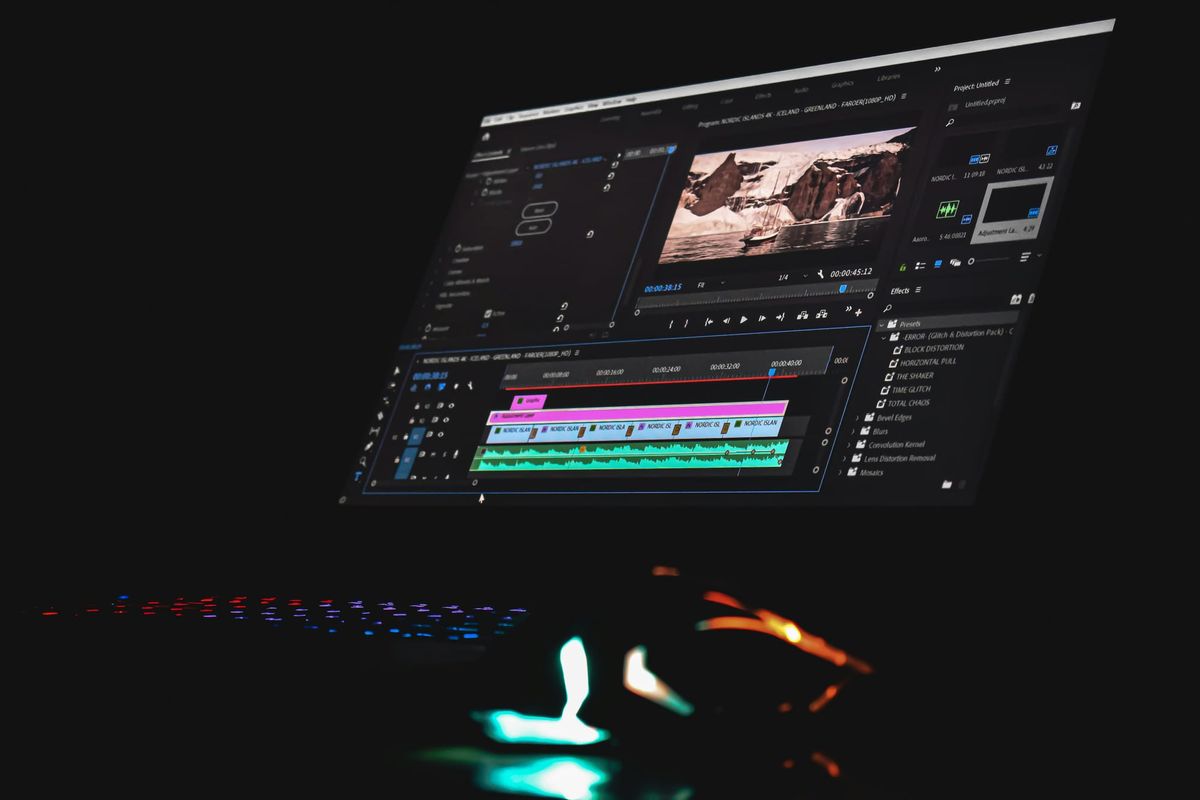
By the time an editor begins their workday, the AI has already generated a structured rough cut. This assembly is not intended to be a final product but rather a highly organized foundation that can be exported directly into industry-standard video software like Adobe Premiere Pro, DaVinci Resolve, or Final Cut Pro. This allows the creative lead to skip the mechanical sorting process and move straight into refining the story and emotional beats.
The Role of AI as an Assistant Editor
A critical distinction in this technology is its positioning as an "assistant" rather than a replacement for the lead editor. While generative AI tools focus on creating synthetic media, tools like Eddie v3 work exclusively with a filmmaker’s original footage. The AI uses advanced algorithms to identify subject matter and suggest B-roll placement based on the transcript of an interview, but it does not make the final creative decisions.
As Shamir Allibhai, co-founder of Eddie AI, noted during the 2026 NAB Show, storytelling remains a fundamentally human act. AI lacks the "human taste" and emotional judgment required to understand why a specific frame or a two-second pause in a conversation carries weight. Instead, the technology is used to handle the volume of modern production, where editors are often expected to sort through hundreds of hours of footage for a single short-form project.
Enhancing Efficiency for Content Teams
For small businesses and education-focused content teams, these automated workflows provide a way to scale production without a proportional increase in headcount. By using AI to handle assembly edits, teams can produce high-quality video content—such as internal communications, marketing explainers, and educational series—at a much faster rate.
The integration of AI into the editing process also helps protect the creative energy of the staff. By removing the repetitive, low-level tasks of logging and syncing, editors can focus on the passion projects and high-level strategy that drive authority for a brand. This shift in the business of post-production allows for more sustainable work models where quality is not sacrificed for the sake of speed.
Security and Creative Control
As with any AI-integrated workflow, security and data ownership remain top priorities for professional filmmakers. Tools built for the professional market must provide clear terms regarding how footage is handled and ensure that the AI does not "train" on private client media without consent. Maintaining creative control over the final timeline ensures that the unique voice of the creator is preserved, even as the technical barriers to entry are lowered.
The evolution of AI in post-production signals a future where the "rough cut" is no longer a bottleneck but a starting point that arrives almost instantaneously. By embracing these tools, creators can reclaim the time necessary to focus on the nuances of storytelling, making the production process more accessible and effective for everyone involved.
More about AI:
 Staff Report
 Staff Report
 Staff Report