
Maintaining Studio Quality Audio in Mobile Environments
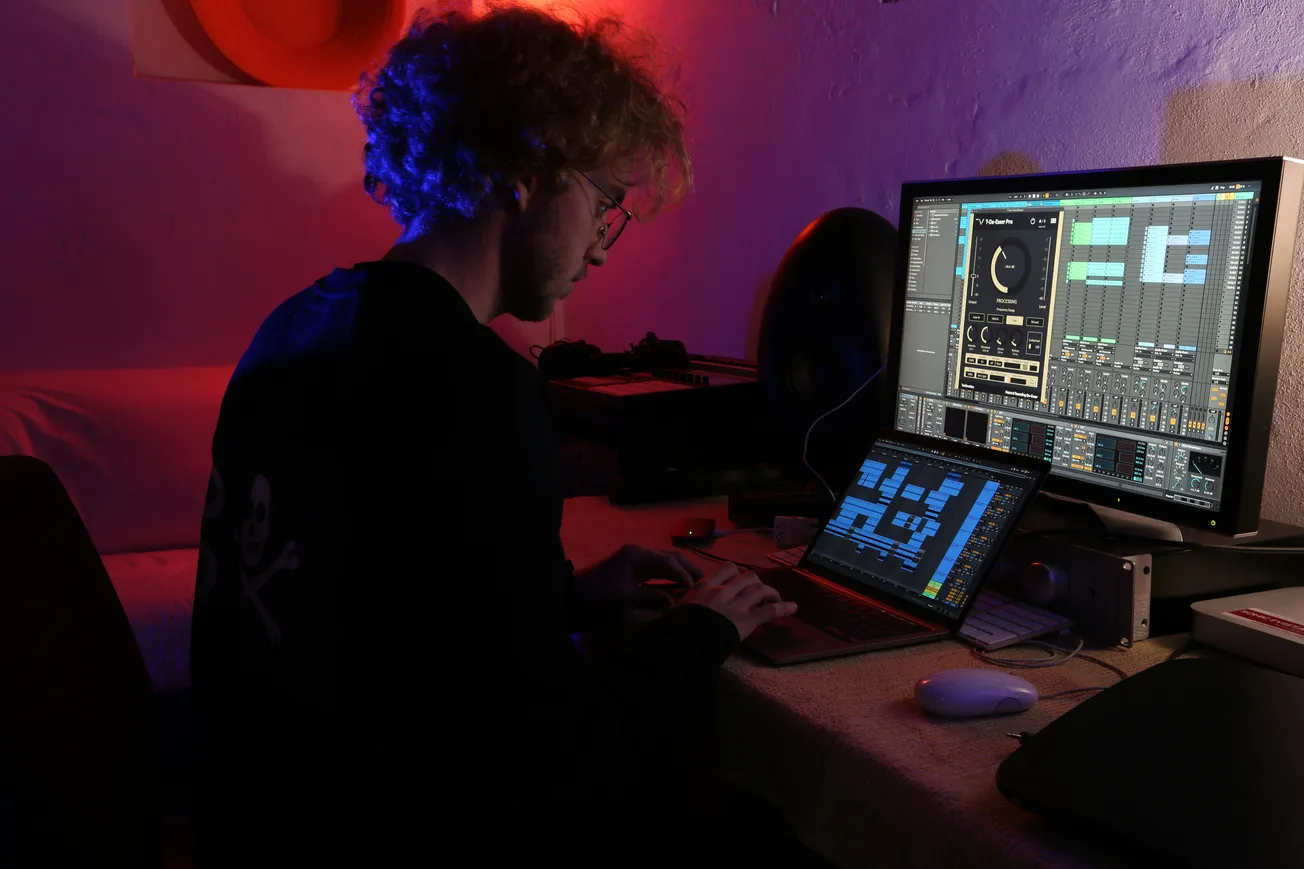
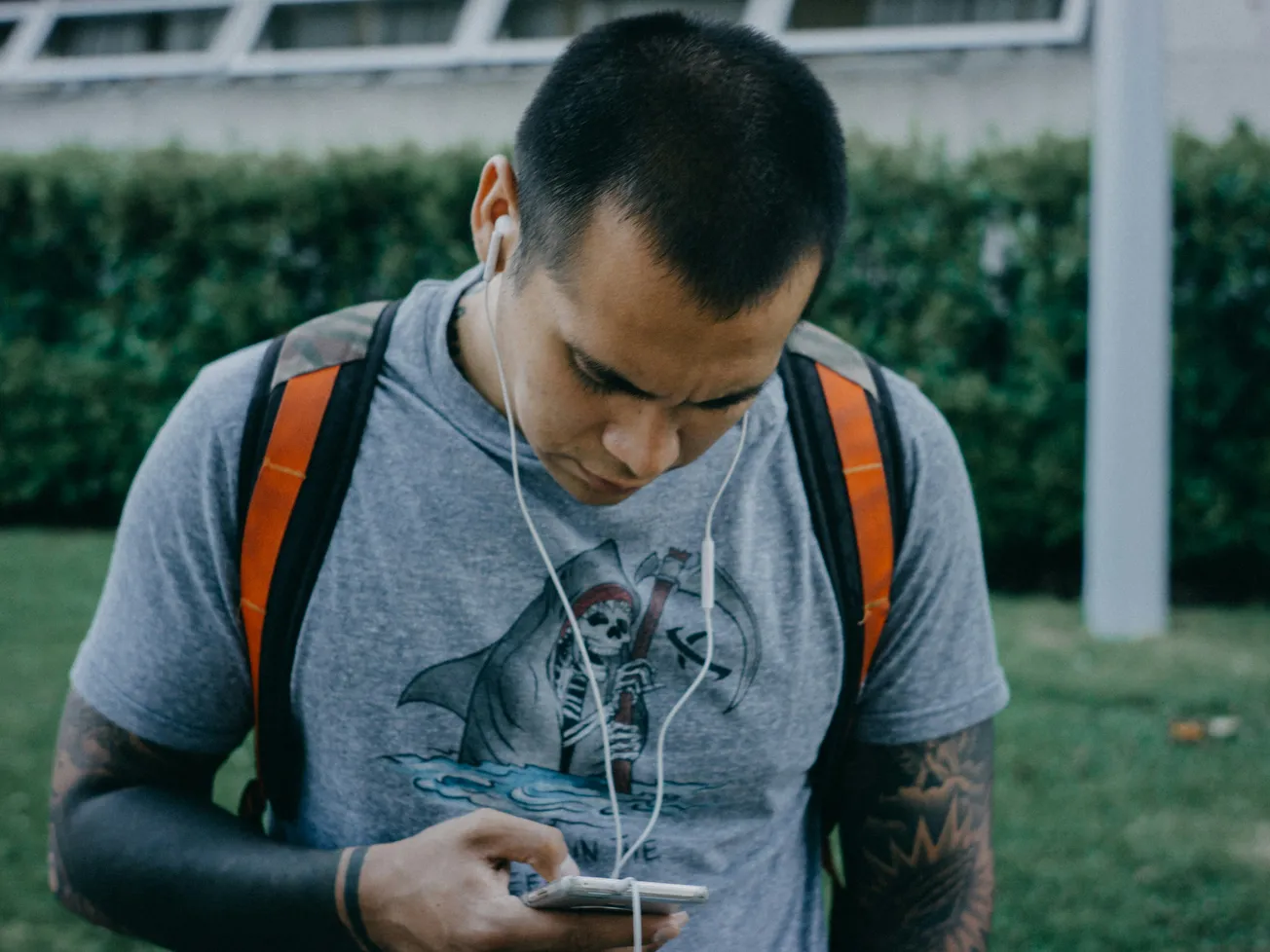
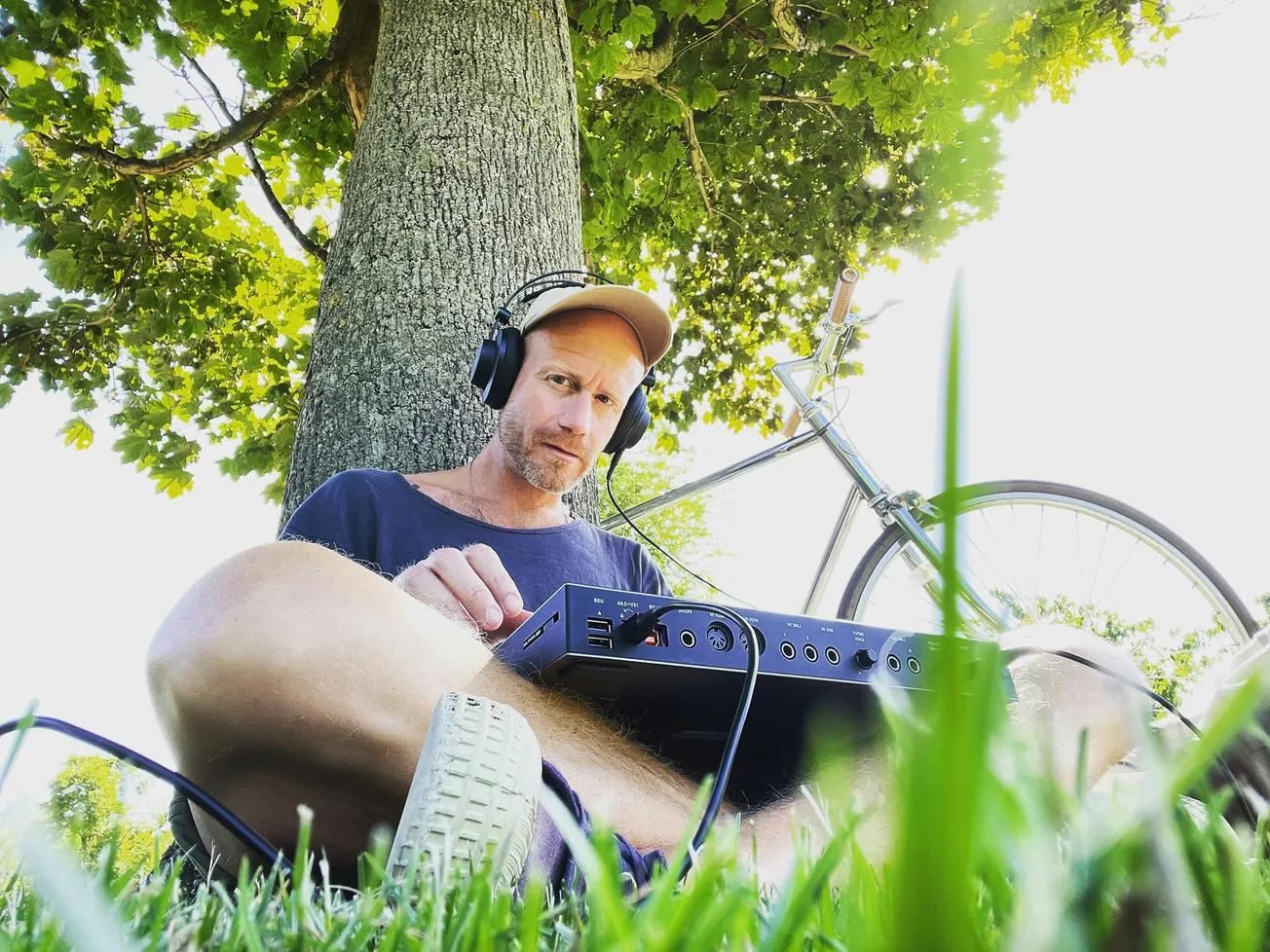
The shift toward remote work and global connectivity has changed the landscape of digital content creation. Podcast creators and business professionals no longer need to be tethered to a traditional studio to produce high-quality audio. Whether conducting interviews at an industry conference, recording updates during travel, or capturing stories in the field, the ability to record on the move has become a competitive advantage.
However, mobility often introduces technical challenges such as ambient noise, inconsistent acoustics, and equipment reliability. Achieving professional results requires a combination of the right hardware and a disciplined approach to mobile recording workflows.
Selecting the Right Tools for Portability
The foundation of a successful mobile recording setup is equipment that balances durability with audio fidelity. Traditional studio microphones often require phantom power and bulky audio interfaces, which are impractical for travel. Modern solutions, such as the Shure MoveMic system, prioritize a compact form factor without sacrificing the sound signatures that professionals expect.
These systems often feature direct-to-phone connectivity, allowing creators to bypass heavy laptops in favor of mobile devices. When selecting gear, it is essential to look for microphones that offer integrated signal processing to manage gain and compression at the source.
Optimizing Environmental Acoustics
One of the greatest hurdles in mobile recording is the lack of acoustic treatment. Unlike a controlled studio, outdoor or public spaces are filled with unpredictable sounds. Creators can mitigate these issues by identifying "soft" environments that naturally absorb sound, such as rooms with heavy carpeting or curtains.
When recording in open spaces, positioning the microphone close to the speaker—often referred to as the proximity effect—helps the voice stand out against background hum. Using accessories like windscreens or fur-covered "deadcats" is mandatory when recording outdoors to prevent wind interference from ruining a take.
Leveraging Software for Mobile Control
Hardware is only half of the equation for mobile success. Professional-grade mobile apps, such as the ShurePlus MOTIV Video or Audio apps, provide creators with granular control over their recordings. These tools allow for real-time adjustments to equalization, limiting, and polar patterns.
For businesses using audio for internal communication or marketing, these apps ensure that the raw file is as clean as possible, reducing the time required for post-production. Consistency is key in branding, and having a repeatable software preset ensures that a podcast recorded in a hotel room sounds remarkably similar to one recorded in an office.
Practical Applications Beyond Podcasting
The utility of a portable high-quality audio setup extends far beyond the realm of traditional podcasting. Educators can use mobile kits to record high-fidelity lectures or field observations. Marketing teams can capture authentic customer testimonials at live events or product launches.
Even internal corporate communications benefit from the increased clarity of mobile setups during executive "town hall" recordings or remote team briefings. By reducing the friction associated with technical setups, organizations can produce more frequent and engaging content that resonates with their target audience.
Workflow Efficiency and File Management
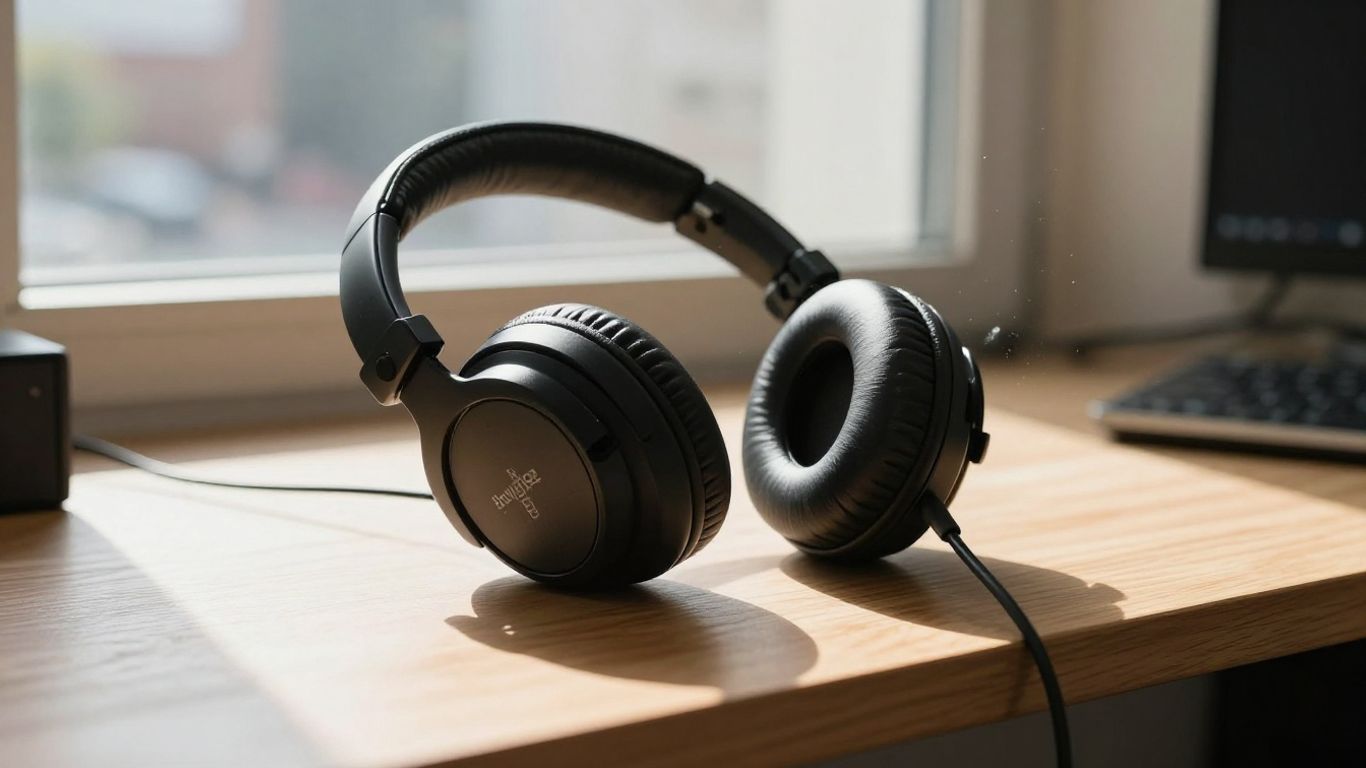
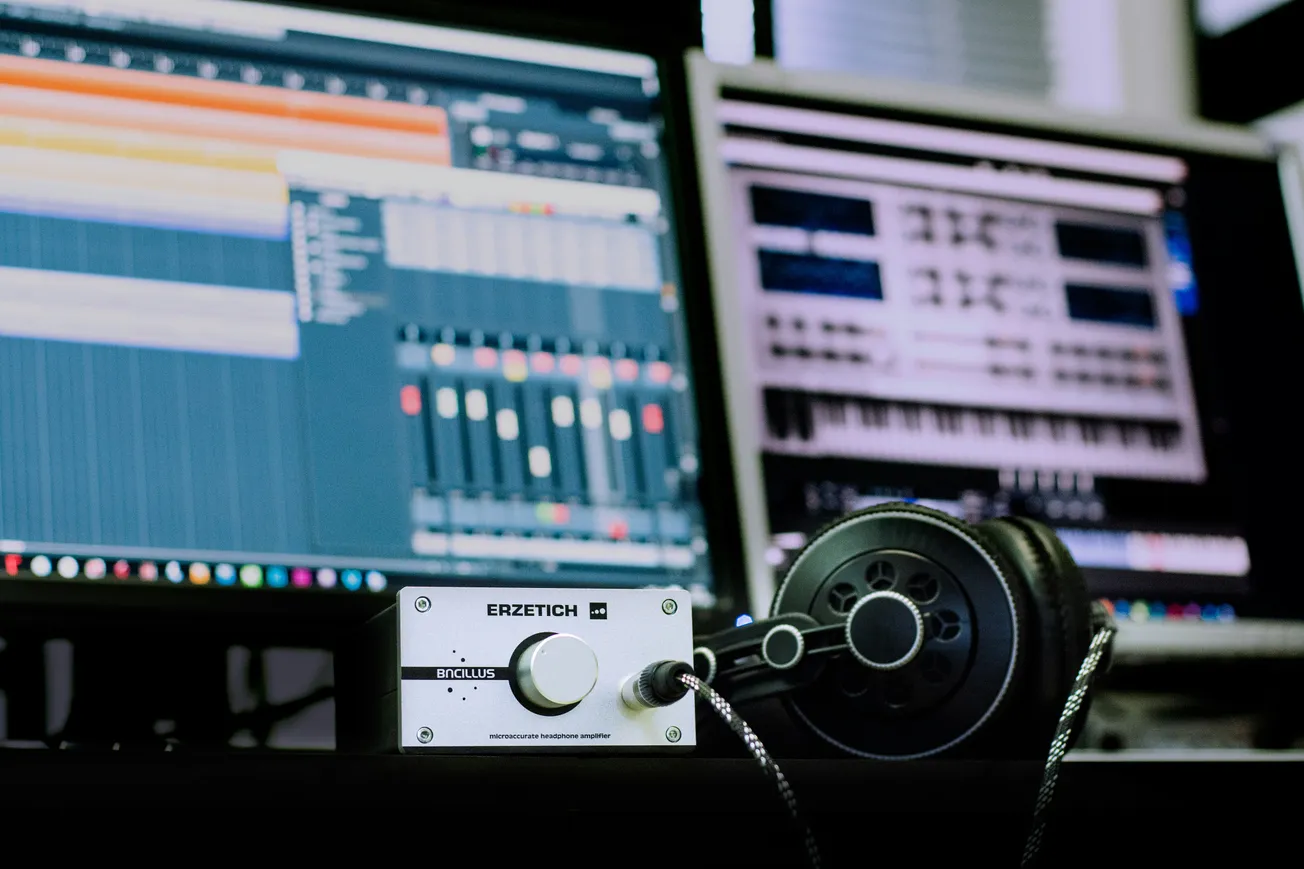
Recording on the move requires a strict data management protocol to prevent loss of content. High-resolution audio files can be large, making cloud synchronization or external backup drives essential for mobile workflows. Creators should establish a routine of labeling files immediately after recording and checking audio levels through closed-back headphones to ensure no clipping occurred.
This proactive approach saves hours of troubleshooting in the editing suite. As the demand for rapid content turnaround increases, the ability to capture, review, and upload professional audio from a mobile device is no longer a luxury but a standard requirement for modern media production.
For more information on optimizing your recording environment, visit PodcastVideos.com to explore guides on acoustic treatment and equipment selection. Organizations looking to scale their media output can find additional resources on streamlining production workflows for distributed teams.
More about audio equipment:
 Staff Report
 Dan Craft
 Staff Report