The annual NAB Show in Las Vegas often serves as a showcase for massive broadcast rigs and cinema-grade technology that feels out of reach for the average creator. However, as the 2026 show begins on April 18, a significant trend is emerging that prioritizes accessibility and space efficiency. Leading this shift is Panasonic, which is debuting a series of PTZ (Pan-Tilt-Zoom) cameras and AI-driven software designed specifically for small-space studios, solo podcasters, and small business content teams.
The AW-UE5: 4K Production in a Compact Form
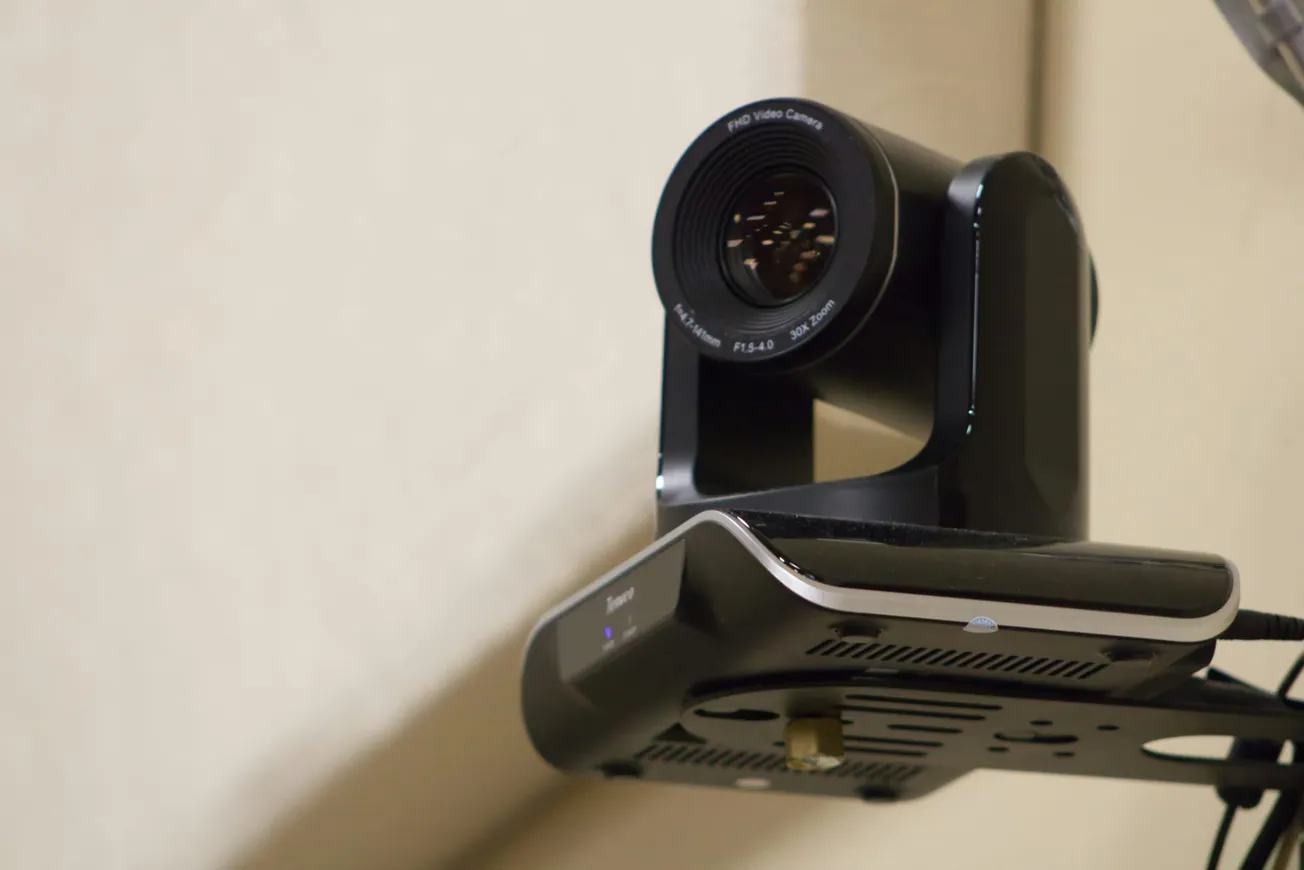
A highlight of the 2026 streaming studio zone is the AW-UE5, the highly anticipated successor to the wide-angle AW-UE4. This new unit addresses a common friction point for creators: the need for high-resolution 4K/60p video in environments where a traditional tripod and operator cannot fit. The AW-UE5 is designed to be small enough for wall or ceiling mounting, keeping the floor area of a home office or small studio clear of cables and equipment.
Beyond its size, the AW-UE5 is built for modern workflows, supporting NDI HX for flexible, IP-based video production. This allows a single ethernet cable to handle power, control, and video transmission. For businesses looking to scale their video output without hiring a full production crew, these types of integrated tools significantly lower the barrier to entry while maintaining professional-grade output quality.
AI-Driven Automation for the Solo Creator
One of the most daunting aspects of solo production is managing camera movement while simultaneously hosting or presenting. Panasonic’s new AI-driven Advanced Auto Framing software aims to eliminate this technical hurdle. By using deep learning and human subject detection, the software automatically manages the PTZ camera’s movements to provide stable, professional compositions without a manual operator.
This technology includes specialized features such as Group Framing, which automatically adjusts the viewing angle to keep all participants in the frame, and Preset Framing, which triggers specific movements when a subject enters a designated area. For podcasters who move between a desk and a whiteboard, or educators recording hands-on demonstrations, this level of automation ensures that the focus remains on the storytelling rather than the technical operation.
Simplifying the Multi-Camera Workflow
Scaling from a single camera to a multi-angle setup is a traditional point of failure for many content teams. At the 2026 NAB Show, Panasonic is highlighting the Media Production Suite, a software platform that unifies the control of various cameras, including the new AK-UBX100 box-style camera and the AW-UE160 flagship PTZ.
The suite incorporates AI Keying, which allows for high-quality background removal and subject extraction without the need for a physical green screen. This is a game-changer for small businesses operating out of multi-purpose rooms where a permanent studio setup is not feasible. By using AI to handle the "heavy lifting" of post-production in real-time, creators can produce polished content that looks like it was filmed in a much larger, more expensive facility.
The Move Toward IP-Centric Production
A broader theme of the 2026 show is the continued transition toward IP-centric production. By moving video and control signals across a single network, studios can reduce infrastructure complexity and gain the flexibility to scale as needed. For the small-space studio, this means fewer boxes, fewer cables, and a more intuitive connection between the camera and the streaming platform.
As the industry gathers in Las Vegas, the message for creators is clear: high-end production is no longer synonymous with high-complexity gear. The tools being showcased this year are focused on reducing friction and empowering individuals to tell better stories with less equipment. For those looking to upgrade their current setup or build a new studio from scratch, these portable, AI-enhanced solutions provide a clear path forward.
More about video equipment:
 Staff Report
 Staff Report
 Staff Report