
The Rapid Reversal of OpenAI Sora
The landscape of generative video production has shifted dramatically following the unexpected announcement that OpenAI is discontinuing its standalone Sora 2 platform. This move marks the end of a high-profile era for the tool that originally set the standard for high-fidelity AI video.
Effective April 26, 2026, OpenAI has shuttered the web and app experiences for Sora, signaling a strategic pivot away from consumer-facing video generation as a primary product.
The decision has directly resulted in the collapse of a landmark licensing agreement with Disney. The partnership, which was valued at approximately $1 billion, was designed to allow creators to use Sora to generate fan-inspired videos featuring iconic Disney characters. With the product itself being retired, the legal and technical framework for this integration has been dissolved. This outcome highlights the inherent risks of building media workflows around early-stage AI tools that may face rapid strategic changes or high operational costs.
Technical Barriers and Strategic Shifts
Industry analysts point to several factors behind the sudden sunset of Sora 2. The computational resources required to generate cinematic-quality video remain immense, making broad monetization difficult to achieve at a sustainable price point for most creators. Furthermore, increasing legal pressures regarding deepfakes and intellectual property rights have created a complex regulatory environment. The Take It Down Act of 2025 introduced stricter penalties for AI-generated fraud, which likely increased the moderation burden for a platform like Sora.
While the standalone app is gone, OpenAI has indicated that its video generation technology may eventually be integrated directly into ChatGPT or offered through enterprise APIs. However, for the immediate future, the Sora API is also scheduled for discontinuation on September 24, 2026. This timeline leaves creators and businesses with a narrow window to export existing projects and transition to alternative platforms.
The Rise of Professional Workflows in Veo 3.1
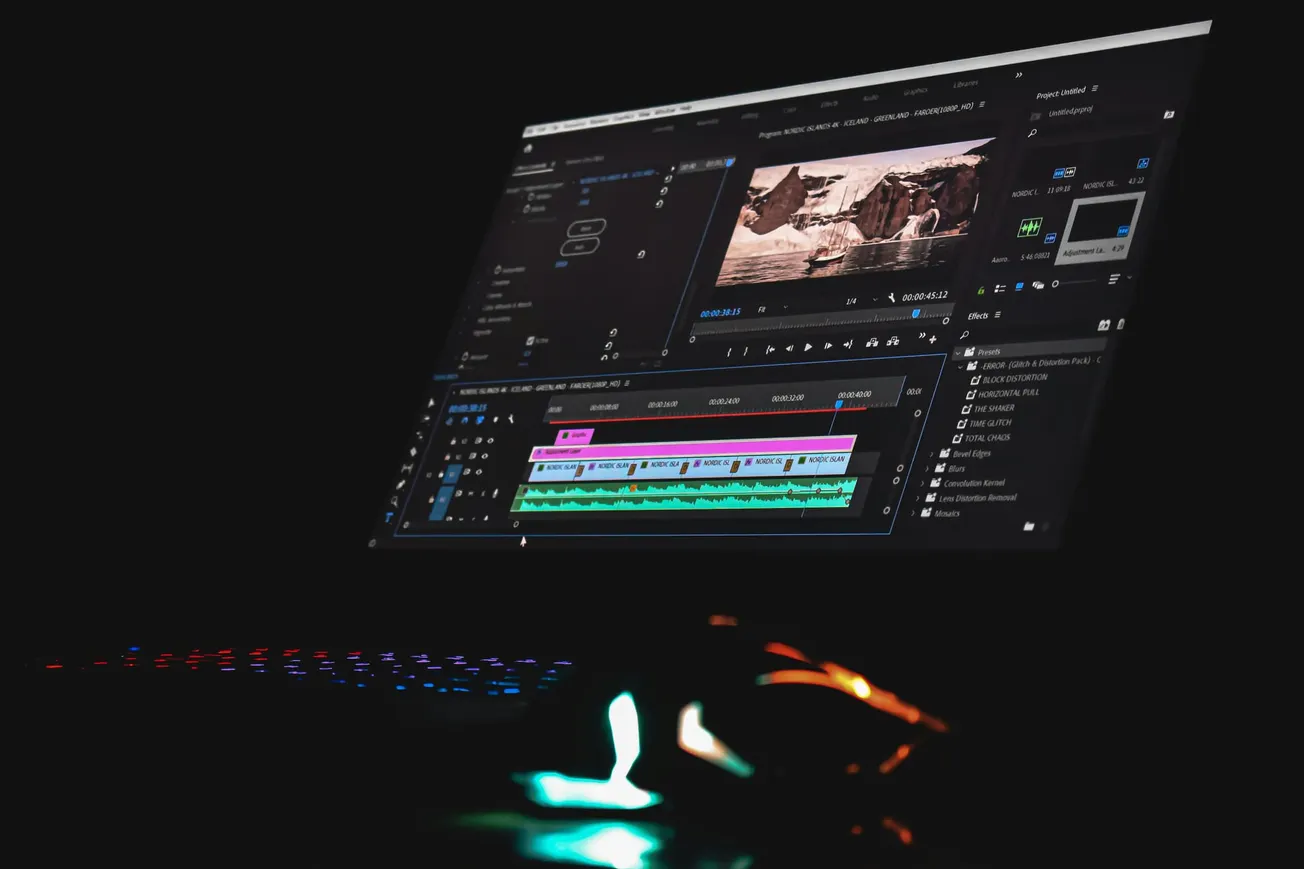
As OpenAI exits the dedicated video space, Google has accelerated the development of its competing model, Veo 3.1. Unlike previous iterations that focused primarily on isolated clip generation, Veo 3.1 introduces a revolutionary Timeline Editing feature. This tool allows users to move beyond simple text-to-video prompts, offering a non-linear editing interface where multiple AI-generated clips can be arranged, trimmed, and synchronized within a single workspace.
The new features in Veo 3.1 focus on professional utility, including:
- Native 4K upscaling for high-definition production.
- Integrated audio generation that automatically syncs dialogue and ambient sound.
- Scene extension technology to create longer, continuous narratives.
- Enhanced character consistency tools that use reference images to keep subjects stable across different shots.
These updates represent a significant shift toward making AI video a viable tool for marketing, education, and brand storytelling. By providing a timeline, Google is reducing the friction that previously required creators to jump between multiple pieces of software to finish a project.
Real-World Applications for Content Teams
For small businesses and content teams, the transition from experimental tools like Sora to workflow-oriented platforms like Veo 3.1 provides more stability. Marketing teams can now build complete video sequences for social media or internal training without the need for a full production suite. The ability to generate synchronized audio alongside the video is particularly useful for producing quick-turnaround content where traditional recording and editing time is limited.
The focus on timeline-based editing and 4K output suggests that the future of AI in video is less about one-click magic and more about providing high-quality "ingredients" that creators can control. As the industry moves toward more stable, professional-grade tools, businesses can better scale their video production while maintaining high editorial standards.
More about OpenAI:
 Staff Report
 Staff Report
 Staff Report