
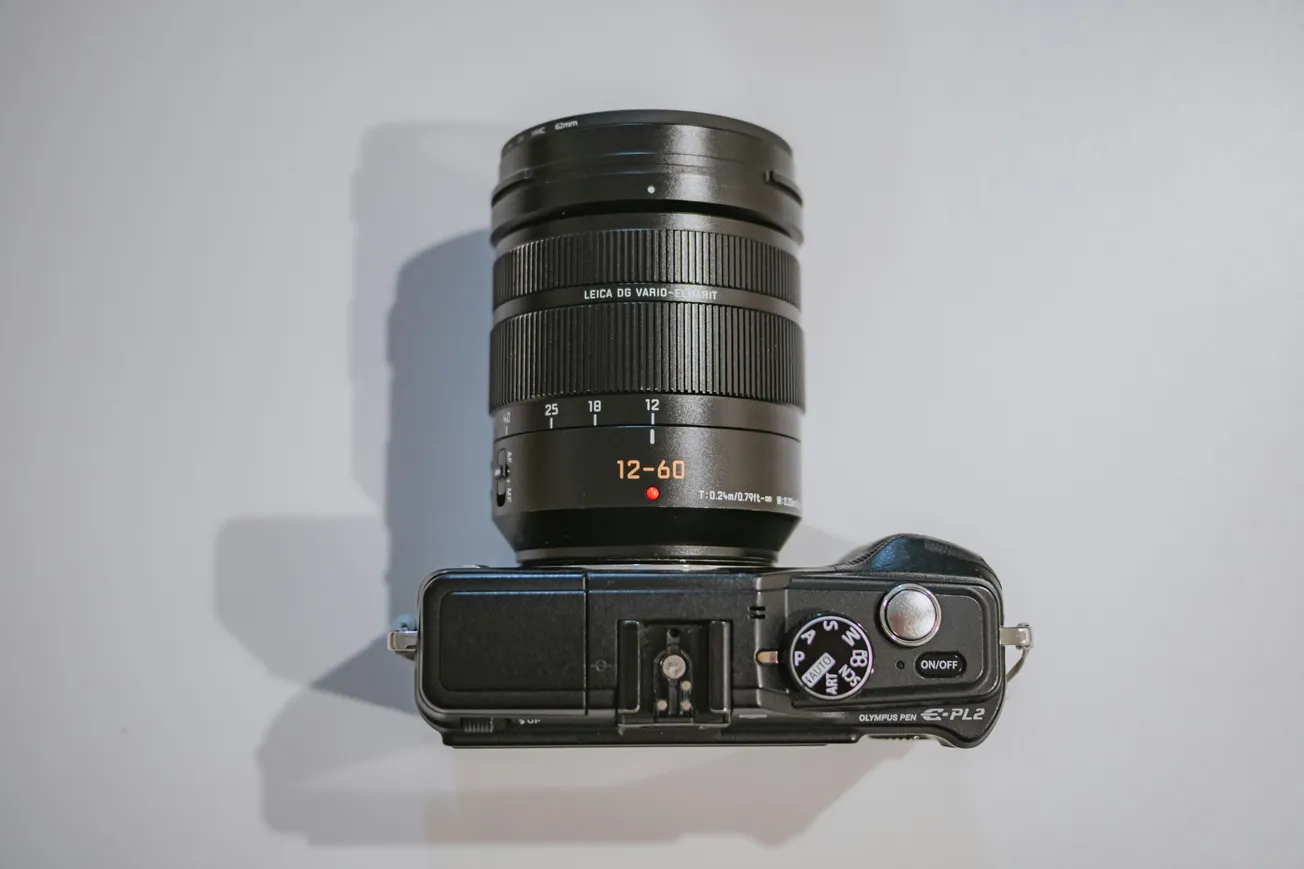
Modern video production requires a balance between high-quality output and manageable hardware. As businesses and independent creators move away from bulky traditional setups, the OM System, formerly known as Olympus, has emerged as a significant contender in the mirrorless camera market. By focusing on the Micro Four Thirds sensor format, these cameras provide a unique combination of portability and advanced technology that addresses common friction points in the content creation process.
The shift toward video-centric communication in marketing and internal education has increased the demand for tools that do not require an extensive technical background to operate. Recent developments in the OM System lineup, including the release of the OM-1 Mark II and the OM-5, demonstrate a commitment to making professional-grade video features accessible to a broader audience. These tools are designed to streamline the journey from recording to publishing by minimizing the need for heavy external stabilization and complex rigging.
Superior Image Stabilization for Mobile Workflows
One of the most significant advantages of the OM System for video creators is its industry-leading in-body image stabilization. This technology allows users to capture smooth, steady footage without the constant need for a gimbal or tripod. For small business owners or educators filming on location, this reduces the amount of gear required for a successful shoot.
According to technical reviews from No Film School, the stabilization systems in these cameras allow for handheld shooting that mimics the look of professional cinematic equipment. This feature is particularly valuable for "run-and-gun" content styles, such as behind-the-scenes office tours or event coverage, where setting up a tripod for every shot is impractical. By eliminating the shake often associated with handheld recording, creators can produce polished content that maintains brand authority and viewer engagement.
Compact Design and Portability for Content Teams
The Micro Four Thirds system is inherently smaller than full-frame alternatives, making the cameras and lenses significantly more portable. This portability is a key factor for content teams that need to travel or operate in tight spaces, such as small recording studios or retail environments. The OM-5, for example, is noted for its lightweight build while still offering 4K video capabilities and weather-sealed protection.
For organizations integrating video into their daily operations, the ability to store a complete professional kit in a small bag is a major logistical benefit. This compact nature does not compromise durability, as many OM System models are designed to withstand dust, splashes, and freezing temperatures. This reliability ensures that production can continue in diverse environments, from outdoor educational workshops to industrial facility tours.
Computational Features and Simplified Post-Production
OM System cameras incorporate advanced computational photography and video features that simplify the creative process. Features such as Live ND filters and improved autofocus tracking allow users to achieve complex visual effects in-camera rather than spending hours in post-production software. For businesses with limited editing resources, these built-in tools are essential for maintaining a high volume of content output.
The autofocus systems in the newer OM-1 series utilize AI-driven subject detection, which can automatically track faces and eyes. This ensures that the subject remains in focus even if they move during a presentation or interview. For solo creators who may be operating the camera while also being the person on screen, these automated features act as a virtual camera assistant, reducing the risk of unusable out-of-focus footage.
Practical Applications Beyond Traditional Media
While these cameras are excellent for traditional YouTube or podcast video formats, their utility extends into various business sectors. In the education sector, the clear video output and reliable audio inputs make these cameras ideal for creating high-quality online course modules. In corporate environments, they serve as high-end webcams for executive presentations or as reliable tools for documenting internal training procedures.
The integration of high-quality video into marketing strategies is no longer optional for businesses seeking to reach wider audiences. Tools that reduce the technical barrier to entry, like those found in the OM System, empower teams to tell better stories and build stronger connections with their customers. By choosing equipment that prioritizes ease of use without sacrificing quality, creators can focus more on their message and less on the complexities of the hardware.
More about cameras:
 Staff Report
 Staff Report
 Staff Report