Maximizing Visibility in a Fragmented Media Landscape
In 2026, the digital audience is more fragmented than ever. While some users prefer the long-form environment of YouTube, others engage primarily through LinkedIn’s professional network or the real-time community of Twitch. For businesses and creators, limiting a live broadcast to a single destination is a missed opportunity for discovery. Multi-platform live streaming, or simulcasting, allows you to meet your audience exactly where they are, without multiplying your production workload.
Beyond simple reach, live streaming has become a primary driver for real-time monetization and authority building. According to reports from The Future of Live Podcasting in 2026, the integration of 5G technology and ultra-low latency protocols has made global, interactive broadcasting seamless and reliable. This guide explores the tools and strategies necessary to execute a professional multi-stream workflow.
Selecting the Right Multi-Streaming Architecture
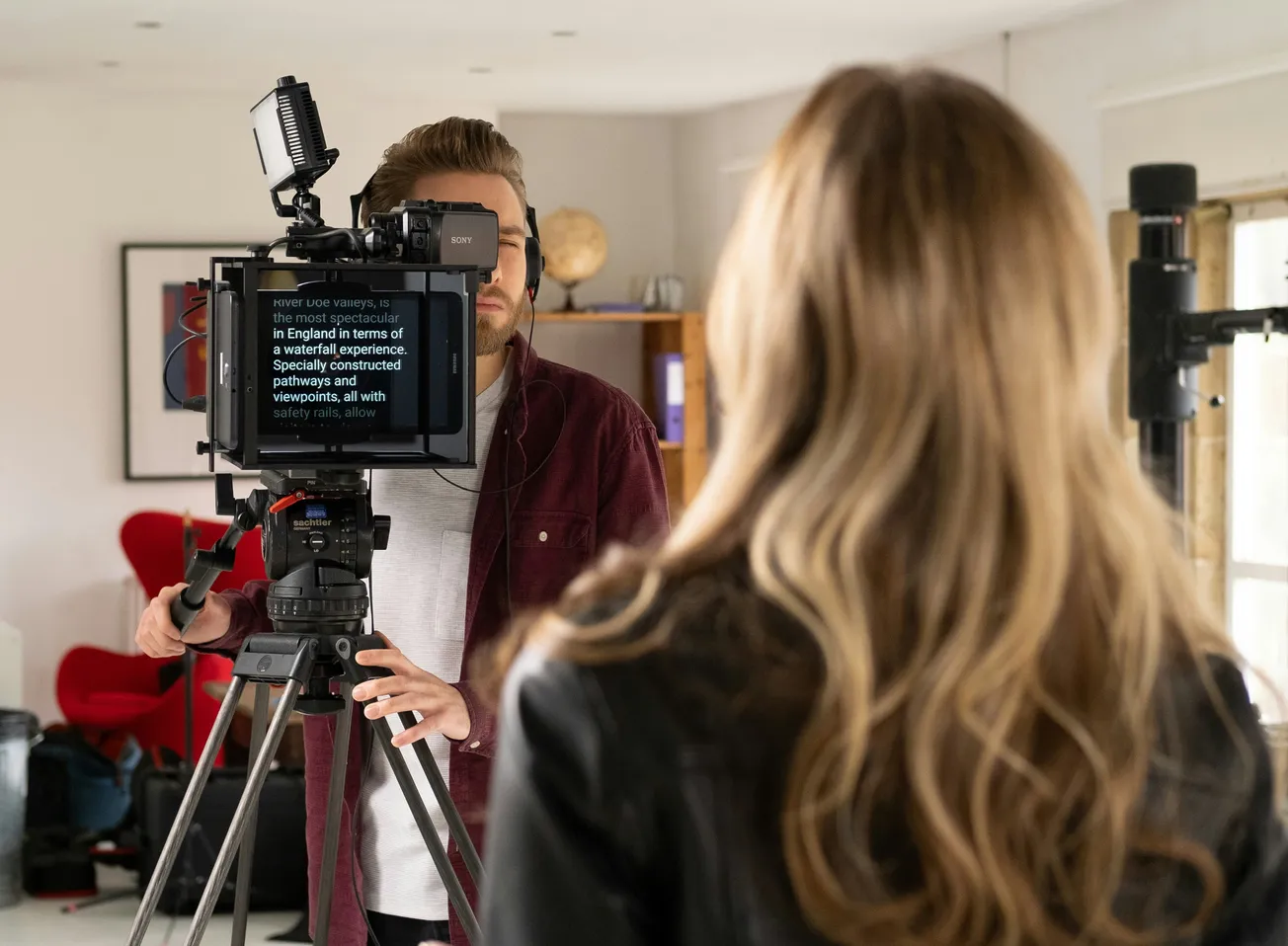
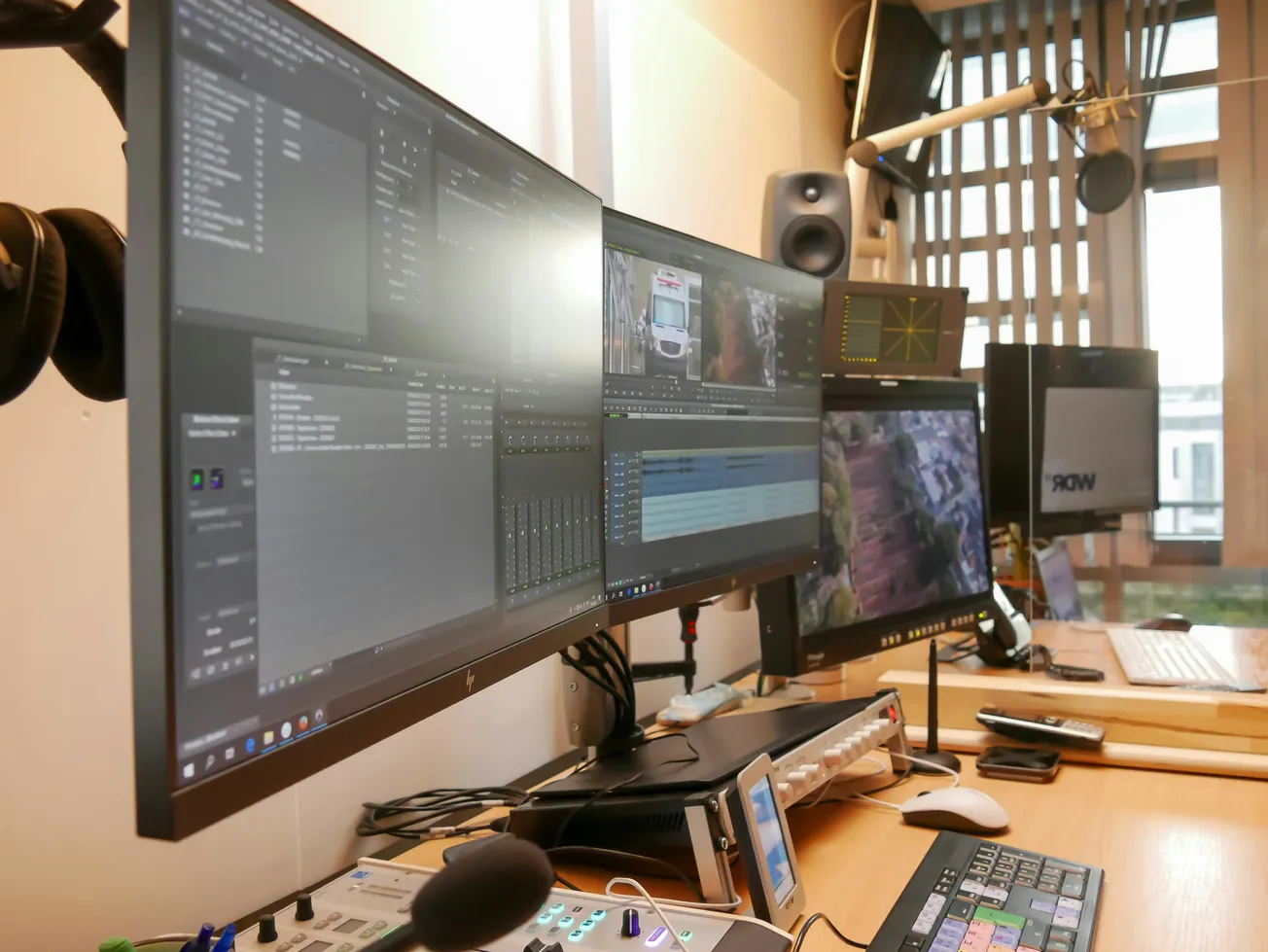
There are two primary ways to broadcast to multiple destinations: software-based cloud restreaming and hardware-based encoding. For most podcasters and small marketing teams, cloud-based services like StreamYard or Restream provide the path of least resistance. These platforms receive a single high-quality video feed from your studio and distribute it to dozens of destinations simultaneously, preserving your local internet bandwidth.
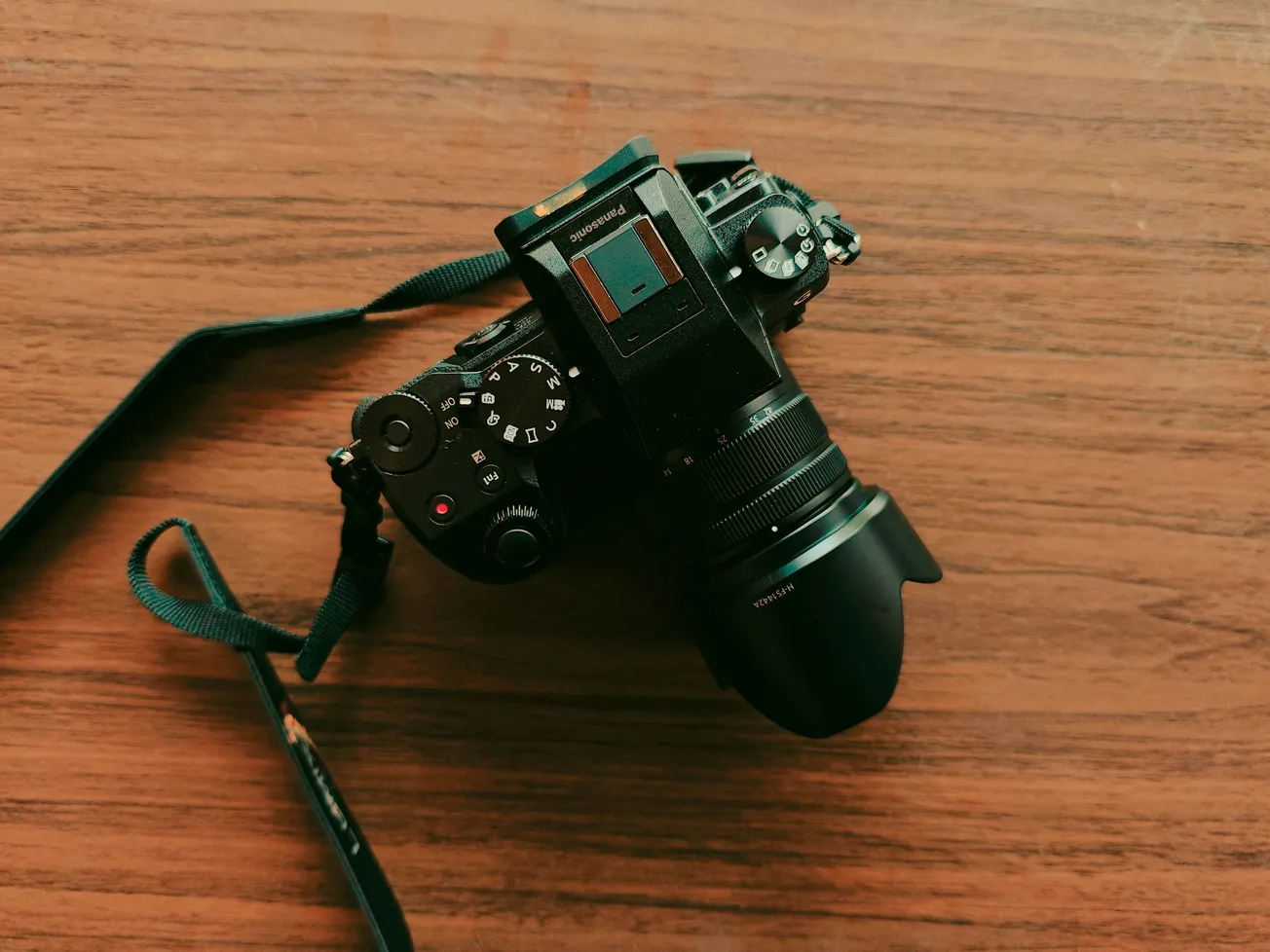
For enterprise-level productions or houses of worship where reliability is paramount, dedicated hardware encoders are the preferred solution. Devices such as the Magewell Ultra Encode AIO or the Teradek Vidiu series are purpose-built for stability. Research from Castr’s 2026 Streaming Guide highlights that hardware encoders offer superior thermal management and fail-safe recording, ensuring that the stream continues even if a local computer crashes.
Vertical vs. Horizontal: The Multi-Canvas Shift
A major trend defining 2026 is the "Multi-Canvas" approach. With the explosive growth of TikTok and Instagram Reels, creators are no longer forced to choose between a horizontal 16:9 broadcast and a vertical 9:16 feed. Modern streaming tools now allow for simultaneous broadcasts in both formats. This ensures that mobile users see a native, full-screen experience while desktop viewers enjoy a traditional cinematic layout.
Platforms like YouTube have recently updated their infrastructure to allow creators to stream horizontally and vertically at the same time into a single, unified chat environment. This optimization is critical for small businesses looking to capture impulse engagement on mobile while building long-term watch time on smart TVs. By treating each platform’s unique aspect ratio as a priority rather than an afterthought, brands can significantly improve viewer retention.
Engaging a Unified Community
One of the greatest challenges of multi-platform streaming is managing multiple chat feeds. To solve this, 2026 production suites now feature aggregated chat windows that pull comments from YouTube, Twitch, and LinkedIn into a single dashboard. This allows a host to respond to a question from a Facebook viewer while live-displaying a comment from a YouTube subscriber on the screen.
This level of interactivity is what separates a broadcast from a conversation. By acknowledging participants across all platforms, you foster a sense of a global community. For B2B brands, this real-time engagement is a powerful tool for building trust and moving potential customers through the marketing funnel during product launches or town-hall events.
Future-Proofing Your Live Content
The transition to multi-platform streaming is a foundational step in scaling your digital presence. By leveraging 5G connectivity, AI-powered moderation tools, and multi-canvas layouts, you can ensure that your message is accessible, professional, and interactive.
As the lines between social media, television, and podcasting continue to blur, those who master the art of being "everywhere at once" will have a distinct competitive advantage in the attention economy.