
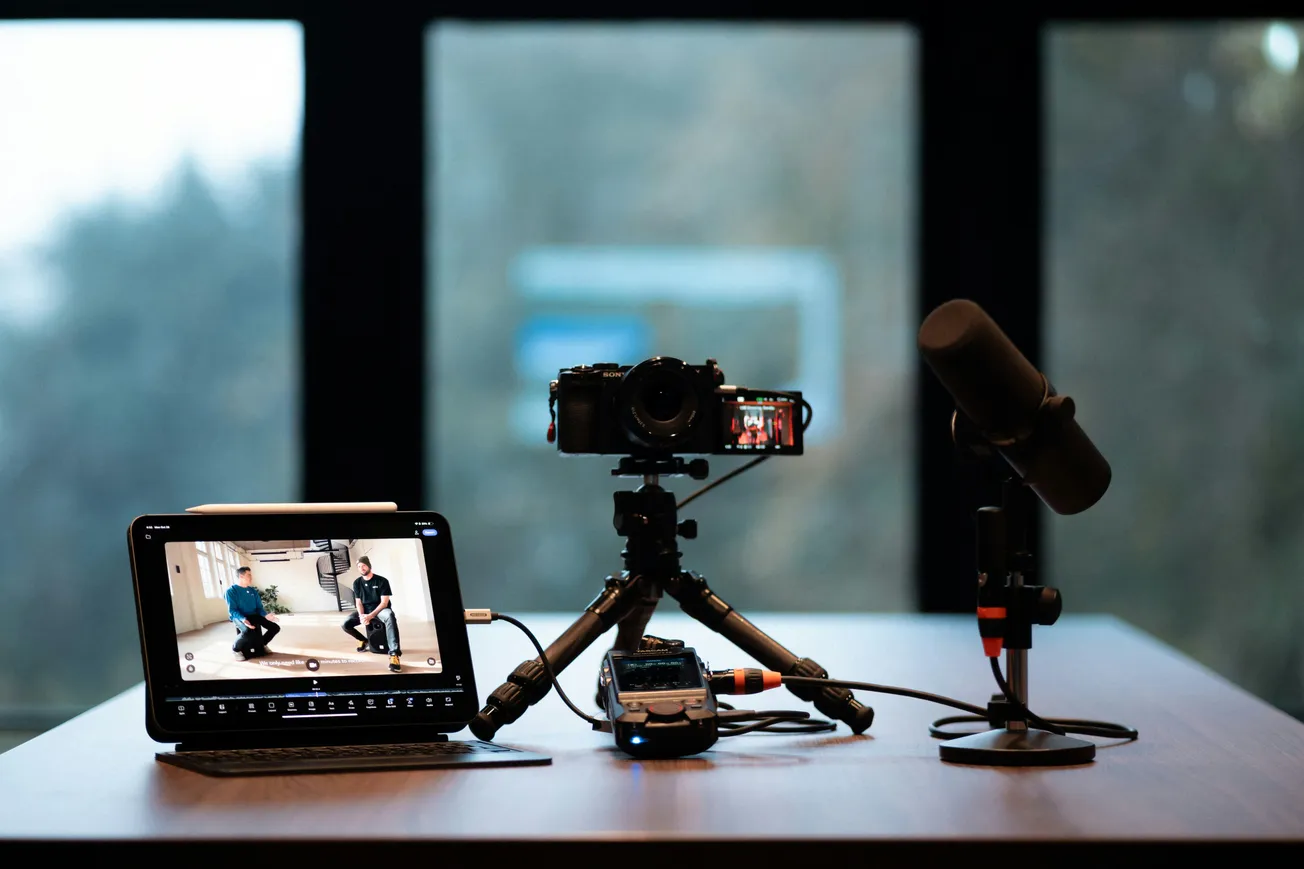
The Evolution of Podcast Visuals
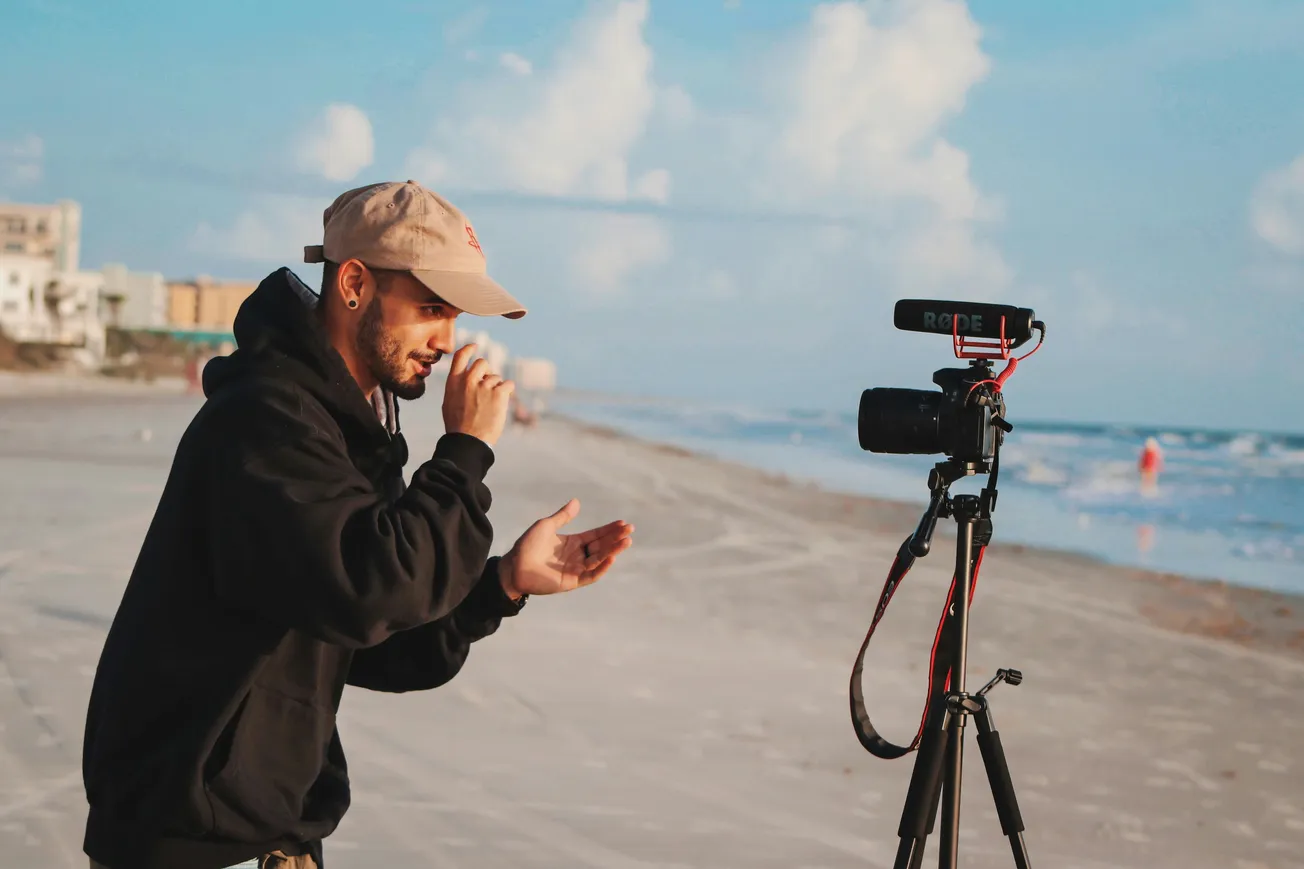
Video has transitioned from an optional add-on to a core requirement for successful podcasting. As of 2026, over 70% of podcasters incorporate video to fuel discovery on platforms like YouTube, TikTok, and Instagram. However, the surge in video consumption has forced creators to choose between two distinct hardware paths: the versatile mirrorless camera and the purpose-built cinema camera.
Selecting the wrong tool can lead to technical friction, such as overheating during long interviews or overly complex post-production workflows. This guide breaks down the practical applications of each system to help businesses and creators make an informed investment.
Mirrorless Cameras: Versatility and Automation
Mirrorless cameras, such as the Sony ZV-E10 II or the Canon EOS R6 Mark II, are the most popular choice for modern podcasters. Their primary advantage lies in their advanced autofocus systems. In a typical podcast setting where a host may lean in to emphasize a point or shift in their seat, AI-driven face and eye-tracking ensure the subject remains sharp without a dedicated camera operator.
Furthermore, mirrorless cameras are hybrid tools. For small businesses, this means the same device used for a weekly video podcast can also capture high-quality headshots or promotional photography. According to reports from Digital Camera World, mirrorless models continue to dominate the market because they pack professional-grade sensors into compact, user-friendly bodies that do not require extensive technical training to operate.
Cinema Cameras: Reliability and Image Control
Cinema cameras, such as the Blackmagic Pocket Cinema Camera 6K or the Sony FX3, are designed with a "video-first" philosophy. While mirrorless cameras sometimes struggle with heat management during extended recordings, cinema cameras are built for endurance. Many models feature internal cooling fans, allowing them to record 4K or 6K footage for hours without the risk of a thermal shutdown—a critical feature for long-form interviews.
The trade-off for this reliability is often a steeper learning curve. Cinema cameras typically lack the robust "auto" modes found in mirrorless systems, requiring the user to have a firmer grasp of manual exposure and color grading. However, as noted by FilterGrade, the superior dynamic range and specialized codecs of cinema cameras provide a "cinematic" look that stands out in a crowded digital landscape, making them the preferred choice for high-production-value branded shows.
Overcoming Technical Limitations
For podcasters on a budget, the "overheating" reputation of mirrorless cameras is less of a concern in 2026 than it was in previous years. Many modern mirrorless units now offer unlimited recording times when paired with an external power source or a "clean HDMI" output to a computer. By using a dummy battery and an external capture card, a mirrorless camera can effectively mimic the endurance of a cinema camera for studio-based podcasts.
Conversely, those choosing cinema cameras must account for the lack of built-in stabilization and autofocus in some entry-level models. In a solo-creator workflow, a mirrorless camera’s ability to "lock on" to a subject automatically often outweighs the raw image power of a cinema rig that might require constant manual adjustment.
Making the Final Decision
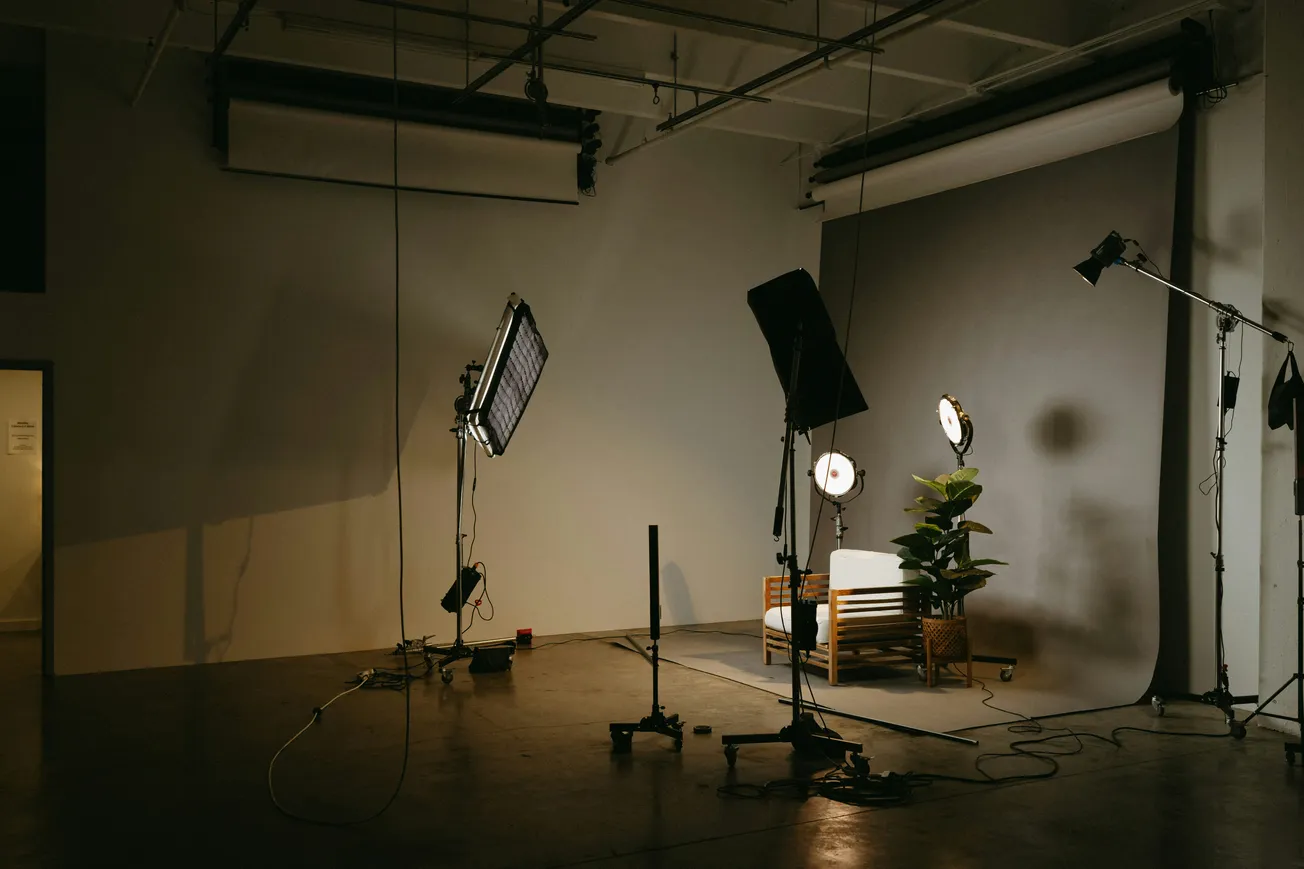
The choice between these two systems depends on your production scale. If you are a solo creator or a small marketing team looking for "zero-friction" setups with high-end automation, a mirrorless camera is the logical starting point. If you are building a dedicated studio intended for multi-hour sessions where reliability and "theatrical" image quality are the top priorities, a cinema camera is the superior long-term investment.
Both paths offer a significant leap over webcams or smartphones, providing the visual depth and clarity needed to build authority and connect with a modern audience.
More about video equipment:
 Staff Report
 Staff Report
 Staff Report