
The Advantages of Crop Sensors for Macro Production
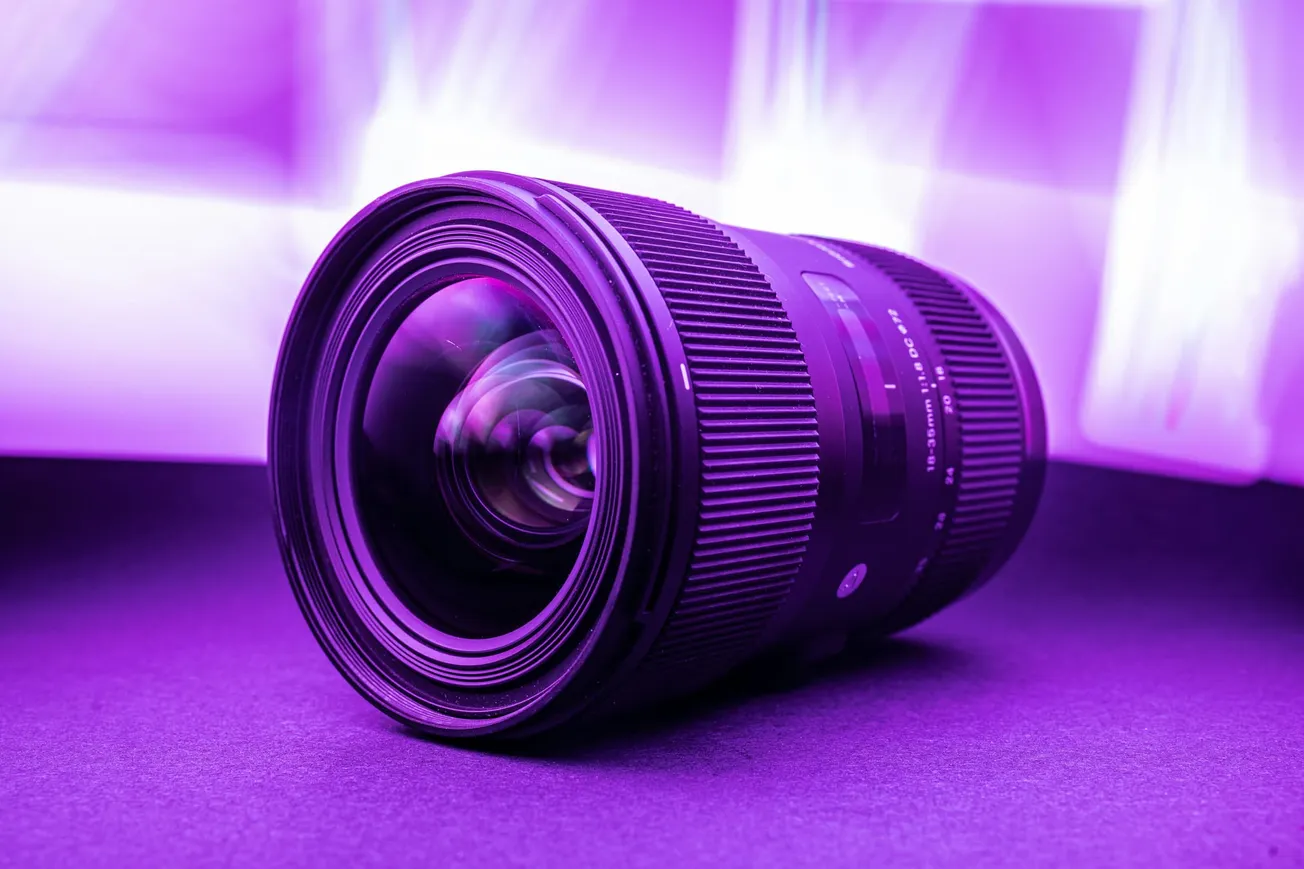
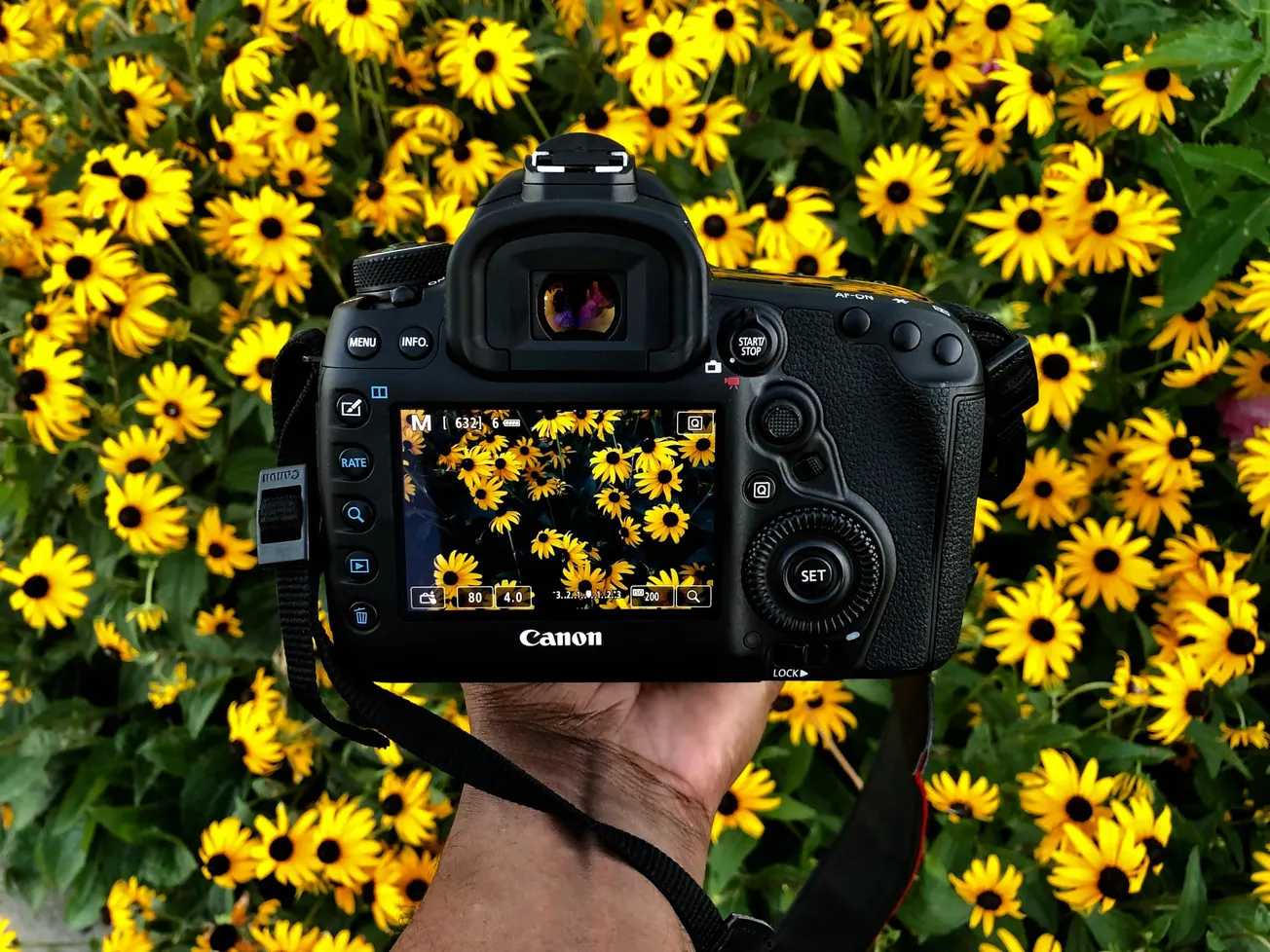
Many creators and small businesses believe that high-end professional imagery requires a full-frame camera system. However, in the realm of close-up and macro photography, crop sensor cameras—specifically those with APS-C or Micro Four Thirds sensors—offer distinct technical advantages. Because these sensors are smaller, they provide a perceived increase in focal length, allowing a 60mm macro lens to behave like a 90mm or 120mm lens. This extra reach is invaluable for capturing fine details in product marketing or educational demonstrations without physically crowding the subject.
According to insights from Digital Camera World, the deeper depth of field inherent in smaller sensors is a significant benefit for macro work. When filming small objects like jewelry, electronic components, or botanical subjects, maintaining focus across the entire item is a common challenge. A crop sensor allows more of the subject to remain sharp at wider apertures compared to a full-frame sensor, reducing the need for complex techniques like focus stacking in post-production.
Practical Applications for Business and Education
For small businesses, the ability to produce high-quality close-up content in-house reduces the friction of product launches. E-commerce brands require crisp, detailed shots of textures and materials to build consumer trust. Using a budget-friendly APS-C camera with a dedicated macro lens allows a marketing team to highlight craftsmanship and quality at a fraction of the cost of a full-frame setup. This democratization of high-quality imaging makes professional-grade storytelling accessible to startups and independent creators alike.
In educational settings, macro video is essential for "how-to" content and internal training. Whether demonstrating a repair or showing a scientific process, the clarity provided by a close-up perspective ensures the audience can follow every movement. Educators can utilize the lightweight nature of crop sensor kits to film in diverse environments, from outdoor field studies to tight office spaces, without sacrificing the visual quality needed for effective communication.
Optimizing Light and Stability for Close-Up Video
Successful macro production relies heavily on lighting and stabilization. Because macro lenses magnify the subject, they also magnify every vibration. Using a sturdy tripod is mandatory for recording stable video. For creators on the move, many modern mirrorless cameras feature in-body image stabilization (IBIS), which helps smooth out micro-jitters during handheld operation. This technology is increasingly common in entry-level and mid-range crop sensor bodies, further closing the gap between amateur and professional gear.
Lighting is the final critical component. Close-up subjects often require additional illumination because the camera is positioned so near the object, sometimes blocking natural light. Using small LED panels or ring lights can provide even, flicker-free illumination that is perfect for video. Proper lighting not only ensures a clean image but also allows the creator to use lower ISO settings, which minimizes digital noise and maintains professional standards for publishing.
Scaling Your Content with Accessible Tools
The shift toward accessible media tools allows content teams to focus on the story rather than the technical overhead. By choosing a crop sensor system for macro work, businesses can allocate more of their budget toward high-quality audio or distribution strategies. The result is a more balanced production workflow that delivers high-value content to the target audience.
Understanding the strengths of your specific hardware is the first step toward better video production. While full-frame cameras have their place in cinematography, the crop sensor is often the superior tool for the precision required in close-up work. For more tips on building an efficient production kit, visit the video equipment section at PodcastVideos.com.