
The Mandalorian Effect on Modern Production
When the first season of The Mandalorian debuted, it introduced the world to a revolutionary filming technique known as StageCraft. By replacing traditional green screens with massive LED volumes powered by real-time engines, the production team could create photorealistic environments that interacted naturally with the actors and camera.
This shift marked a turning point in media technology, moving visual effects from post-production into the live recording phase. While the original setup cost millions of dollars, the core principles of this workflow are now reaching the independent creator market.
Understanding how these cinematic techniques scale down is essential for small businesses and video teams. The ability to "transport" a host or actor to any digital location without leaving the studio reduces travel costs and logistical friction. For creators, this means the high-production value seen in premium streaming content is no longer entirely out of reach.
Real Time Rendering for Small Budgets
The primary engine behind the success of StageCraft is Unreal Engine, a tool originally designed for video games. Because the engine renders environments in real time, the background on an LED screen can shift its perspective based on the movement of the camera. This parallax effect is what makes the virtual world feel physical and immersive. Today, many of these software tools are free or low-cost for independent filmmakers and educators, allowing them to experiment with digital set design.
Instead of a massive 360-degree LED room, indie studios are using single LED panels or even high-quality television screens as backdrops. When combined with camera tracking hardware, these smaller setups mimic the high-end workflow of major studios. This democratization of video software allows a solo podcaster or a small marketing team to achieve a level of visual depth that was previously impossible without a massive VFX budget.
Overcoming the Green Screen Limitation
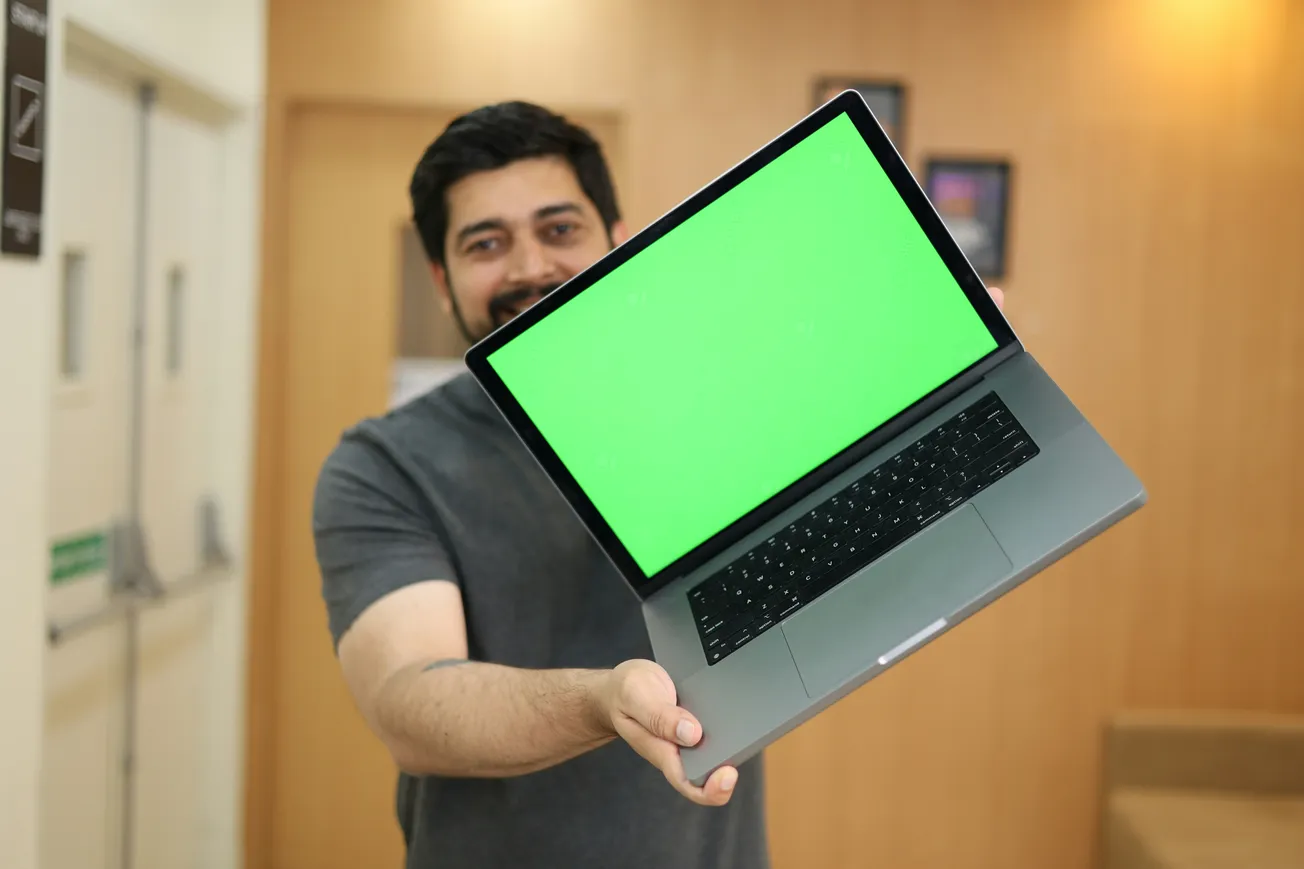
Traditional green screen workflows often suffer from "spill," where green light reflects onto the subject, making the final composite look artificial. One of the biggest advantages of the virtual production techniques popularized by The Mandalorian is that the LED walls provide the actual lighting for the scene. If a character is standing in a digital forest, the soft green and brown light from the screen naturally hits their skin and clothing.
For business communications and internal training videos, this creates a much more professional and believable image. The subjects feel grounded in their environment, which improves viewer immersion and brand authority. By shifting the focus to "in-camera visual effects," production teams can see the final result immediately on their monitors, significantly reducing the time spent in the editing booth.
Applications for Video Podcasting and Branding
Video podcasts are increasingly adopting these virtual set designs to create unique visual identities. Much like the rotating planets visited in the Star Wars universe, a podcast can change its entire aesthetic between segments or episodes with a simple software command. A financial podcast might use a virtual high-rise office for one segment and a digital data center for another.
This flexibility is a major asset for marketing teams who need to produce high volumes of content. Rather than spending hours setting up physical props, a digital environment can be loaded instantly. This scalability allows brands to maintain a high output of quality video content while keeping overhead low. The use of virtual production tools ensures that even a small team can produce content that looks and feels like a major broadcast.
Future Trends in Accessible Virtual Sets
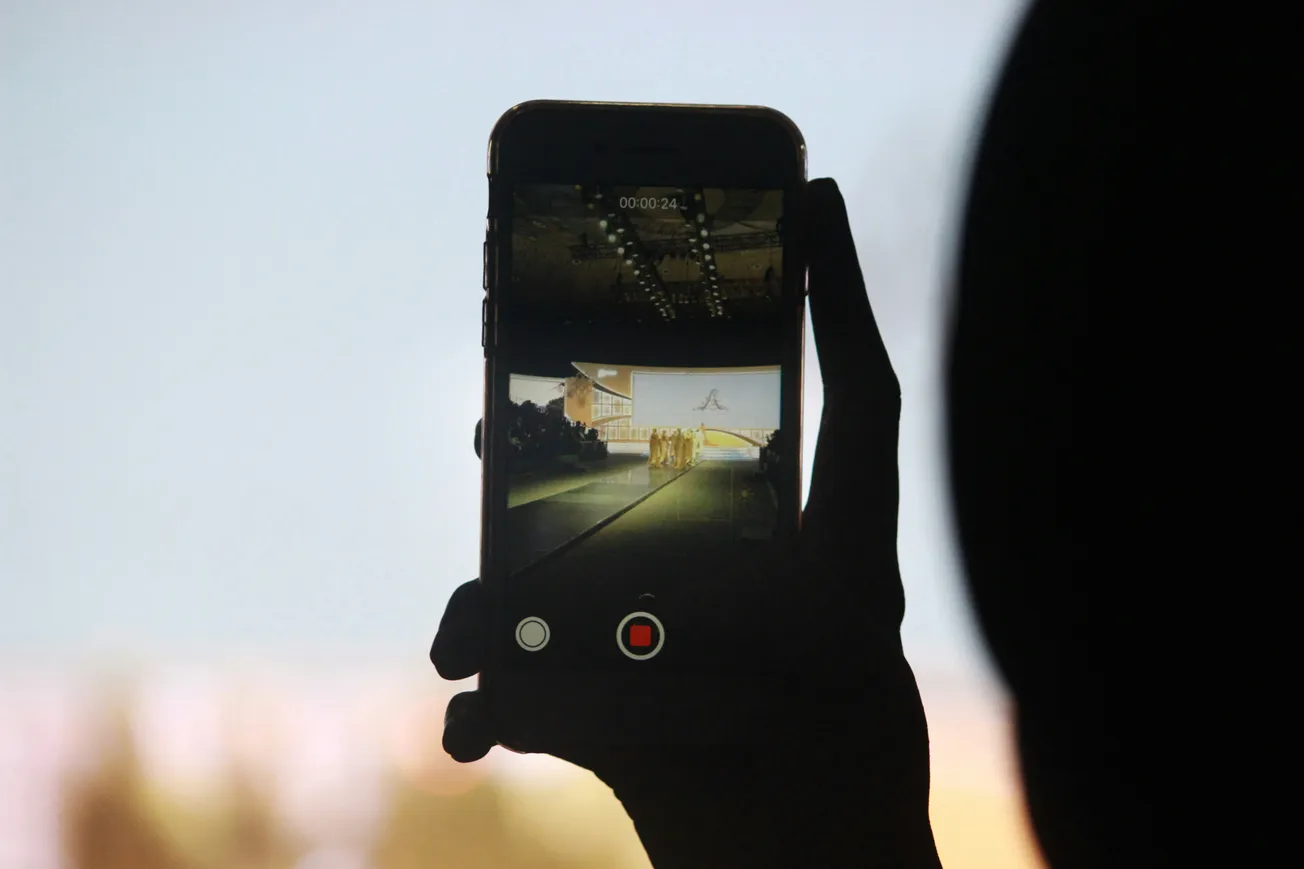
The technology is moving toward even greater accessibility through the integration of artificial intelligence and mobile hardware. Some creators are now using iPads or iPhones as camera trackers, feeding spatial data directly into their desktop video software. This lowers the barrier to entry for educators and small-scale content teams who may not have the budget for dedicated tracking sensors.
As these tools become more user-friendly, the "Mandalorian-style" production will likely become a standard for professional video across all industries. The focus is shifting away from technical troubleshooting and toward creative storytelling. When the friction of location and lighting is removed, creators are free to focus on the message and the audience.
Practical Steps for Independent Implementation
Starting a virtual production journey requires a focused approach to hardware and software integration. Teams should begin by mastering real-time rendering environments and understanding how digital lighting interacts with physical subjects. By investing in a high-quality camera and basic tracking tools, small studios can begin to replicate the workflows used on major sets.
The goal is to move as much of the creative decision-making as possible to the front end of the process. By treating the digital set with the same respect as a physical location, creators can ensure their final output is polished and professional. As this technology continues to evolve, the gap between indie content and blockbuster production will continue to shrink, empowering a new generation of digital storytellers.
More about video equipment:
 Staff Report
 Staff Report
 Staff Report