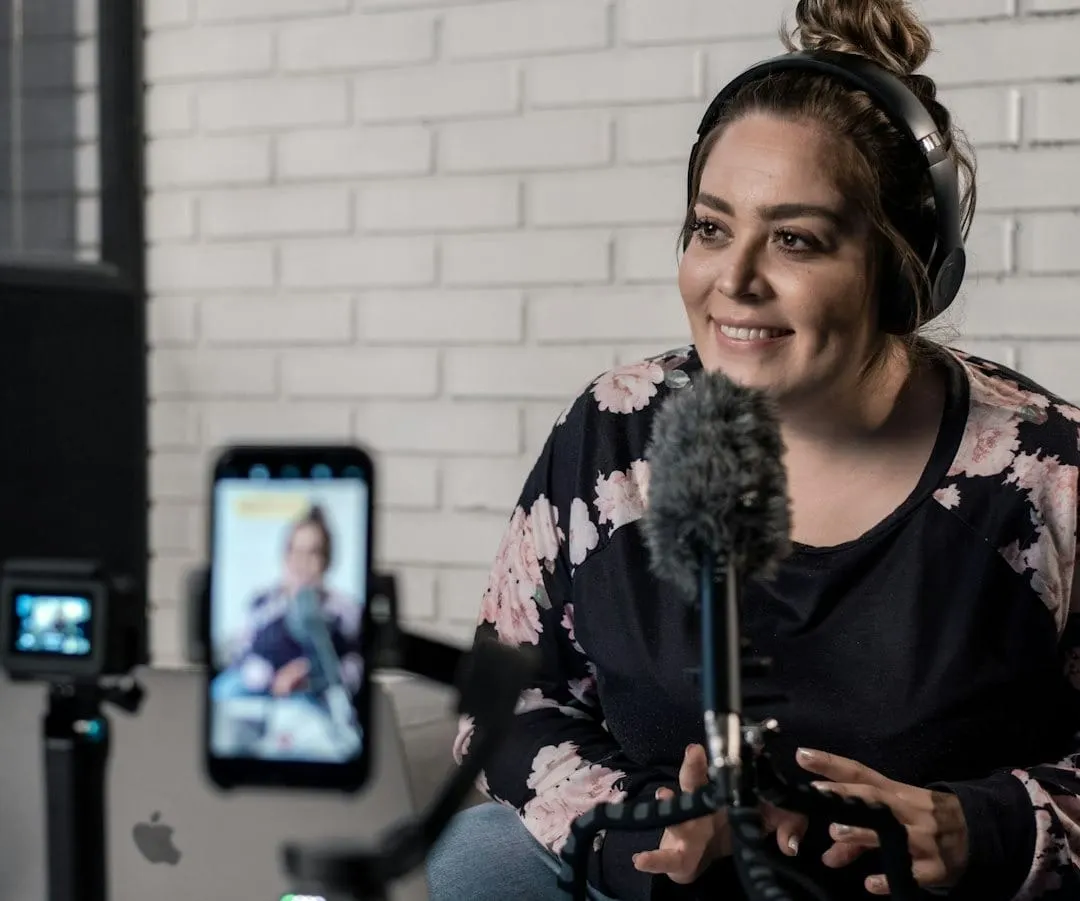


Podcasting has emerged as a primary medium for social advocacy, providing a space where complex topics like mental health equity and systemic trauma can be explored with depth and nuance. By combining long-form audio with video distribution, creators are moving beyond surface-level awareness to foster genuine community healing and education.
This shift highlights a growing trend among professionals in the wellness and advocacy sectors who are utilizing modern media workflows to reach marginalized audiences and provide resources that traditional healthcare systems often overlook.
The transition from clinical practice to digital content creation allows professionals to demystify wellness for the general public. Rather than keeping vital information within the walls of a therapy office, creators can leverage conversational content to make mental health support more accessible and scalable. This approach is particularly effective for addressing sensitive topics such as nervous system regulation and racial battle fatigue, as it allows listeners to engage with the material at their own pace and in a safe, private environment.
Integrating Somatic Movement and Clinical Insights
Effective mental health advocacy often requires a multidisciplinary approach that connects the mind and the body. Many creators are now integrating clinical therapy insights with somatic movement and mindfulness practices within their video and audio content. This holistic strategy helps audiences understand the physiological mechanics of stress and how trauma manifests physically in the body. By documenting these practices through high-quality video, advocates can provide visual demonstrations that enhance the educational value of their message.
For businesses and organizations, this model serves as a blueprint for internal communication and corporate wellness programs. Producing internal podcasts or video series that focus on mental equity and stress management can improve team resilience and foster a culture of transparency. When leadership prioritizes human-centric storytelling, it reduces the friction often associated with discussing workplace burnout and professional fatigue.
Scaling Community Impact Through Audio Storytelling
The ability to scale a message of healing depends heavily on the consistency and accessibility of the distribution strategy. Podcasting platforms offer a low-barrier entry point for advocates to build authority and trust with their audience over time.
According to industry reports on podcasting for social good, the intimate nature of audio helps bridge the gap between experts and those seeking support, making the information feel personal rather than clinical.
A well-structured podcast allows creators to archive valuable resources that remain relevant long after the initial air date. This evergreen nature of audio and video content ensures that community leaders and educators can continue to provide value without the need for constant, repetitive live sessions. By focusing on quality production and clear narrative structures, advocates can ensure their message reaches those who need permission to slow down and prioritize their well-being.
Creating Culturally Safe Digital Spaces
A critical component of modern media advocacy is the intentional creation of culturally safe spaces. This involves acknowledging the specific systemic pressures and cultural nuances that affect different demographics. Creators who succeed in this area often focus on representation and inclusive language, ensuring that their content resonates with a diverse listenership. For further insights on how inclusive communication builds brand authority, see how kindness and community-first growth strategies impact audience trust at PodcastVideos.com.
Establishing cultural safety also requires creators to audit their own workflows to avoid burnout. Advocacy work is emotionally demanding, and the pressure to maintain a frequent publishing schedule can lead to secondary traumatic stress. Implementing efficient editing and recording tools helps creators maintain a consistent presence without sacrificing their own mental health.
Utilizing automated transcription and AI-assisted editing can significantly reduce the technical burden, allowing the focus to remain on the core mission of healing and advocacy.
Building Authority in the Wellness Industry
As the wellness industry continues to expand, digital content serves as a vital tool for building professional authority and trust. For practitioners and small businesses, a podcast acts as a living portfolio of their expertise and values. It provides a platform to address industry trends, share expert commentary, and provide actionable advice that empowers the community. This level of transparency not only builds a loyal audience but also establishes the creator as a thought leader in the field of mental health equity.
Ultimately, the goal of using media for mental health advocacy is to eliminate the friction between information and those who need it. By simplifying complex physiological concepts and providing practical tools for healing, creators are making wellness a more accessible reality for everyone. Through a combination of strategic storytelling, professional production, and a commitment to cultural safety, the podcasting medium continues to be a powerful force for social change and community resilience.