
Understanding the History of Extreme Wide Angle Optics
The evolution of camera optics has consistently pushed the boundaries of how human beings perceive digital environments. While standard focal lengths aim to replicate the human eye, extreme wide angle and fisheye lenses were engineered to do the opposite: to capture more than what is naturally possible. These "monster" lenses, often characterized by their massive glass elements and specialized internal constructions, have moved from scientific curiosities to essential tools for high-end video production, virtual reality, and architectural documentation.
For modern creators, these historical milestones in lens engineering are not just technical trivia. They represent the foundation of field-of-view (FOV) expansion that now dictates how 360-degree video and immersive podcasting environments are filmed. By looking at the development of lenses like the Nikkor 6mm f/2.8 or the water-filled glass experiments of the early 20th century, production teams can better understand the trade-offs between distortion, light transmission, and viewer engagement.
The Engineering Behind the Nikkor Fisheye
One of the most famous examples of extreme optical engineering is the Nikkor 6mm f/2.8 Fisheye lens. According to reports from Digital Camera World, this lens features a 220-degree angle of view, meaning it can actually see "behind" itself. Weighing over 11 pounds and containing 12 elements in 9 groups, it was originally designed for industrial and scientific applications, such as monitoring weather patterns or inspecting the interiors of pipes.
In the context of modern media, the legacy of the 6mm Nikkor is seen in the action camera market and the rise of spherical video. The extreme curvature allows a single sensor to capture a massive amount of spatial data. While the distortion is heavy, the ability to "see everything" is a priority for creators filming in tight spaces or those looking to create a sense of scale that a standard wide lens cannot achieve.
Creative and Business Applications for Ultra Wide Perspectives
Ultra-wide lenses serve several functions beyond traditional artistic cinematography. In the business and real estate sectors, these optics are used to make small environments feel accessible and expansive. For educators and trainers, wide-angle perspectives are vital for capturing entire workshops or laboratory setups where a standard frame would cut off essential peripheral information.
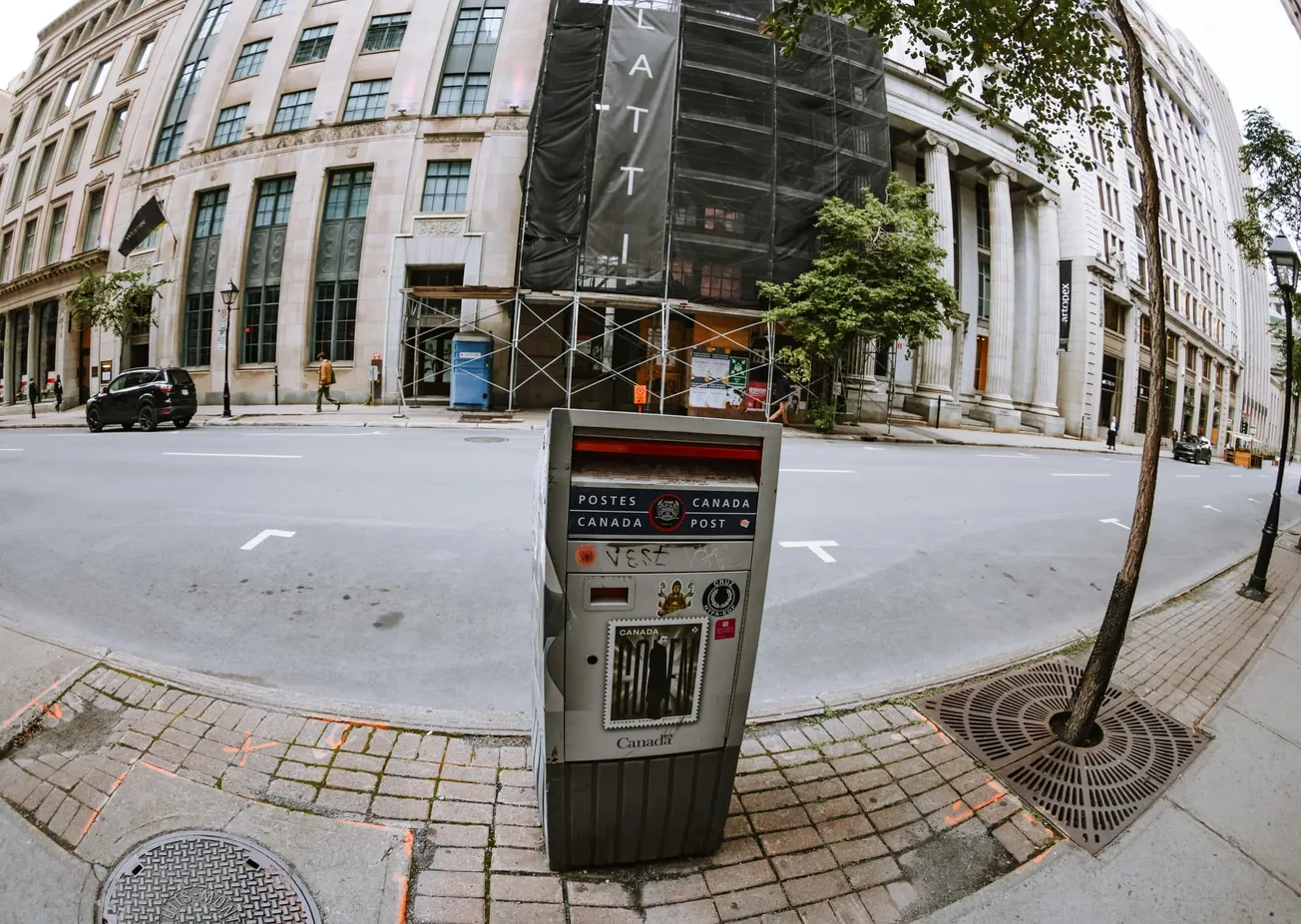
Marketing teams often utilize wide-angle distortion to create a sense of dynamism in product launches or brand storytelling. By getting physically close to a subject with a wide lens, the perspective exaggerates the size of the foreground, drawing the viewer's eye directly to the focal point. This technique is frequently used in automotive videography and high-energy sports content to increase the perceived speed and intensity of the action.
Managing Distortion in Modern Post Production
While legendary lenses used physical glass to achieve wide angles, modern creators often rely on a combination of hardware and software. High-resolution sensors allow for wider capture that can be digitally corrected to remove the "barrel" effect typical of fisheye lenses. Software tools like Adobe Premiere Pro and DaVinci Resolve include lens correction profiles that can flatten the image, providing the benefits of a wide field of view without the distracting curvature.
This synergy between legacy optical concepts and modern video software is what allows small production teams to achieve cinematic results. Understanding how light interacts with curved glass helps editors make better decisions during the color grading and stitching processes, especially when working with multi-camera arrays or VR rigs.
The Future of Wide Angle Imaging
The transition from water-filled glass experiments to $160,000 rare collectibles highlights a trajectory toward greater visual coverage and higher clarity. As virtual reality and augmented reality continue to integrate into mainstream business communication, the demand for wide-angle optics will only increase. For those looking to scale their production capabilities, investing in high-quality wide-angle glass or mastering the software that mimics these effects is a strategic move.
By studying the history of these legendary lenses, creators gain a deeper appreciation for the tools that enable modern storytelling. Whether filming a boardroom meeting or an immersive documentary, the principles of wide-angle photography remain the same: capturing the biggest possible picture to ensure no part of the story is left out of the frame. For more information on selecting the right tools for your kit, readers can explore guides on video equipment and editing workflows at PodcastVideos.com.