

A New Category of Mac Hardware
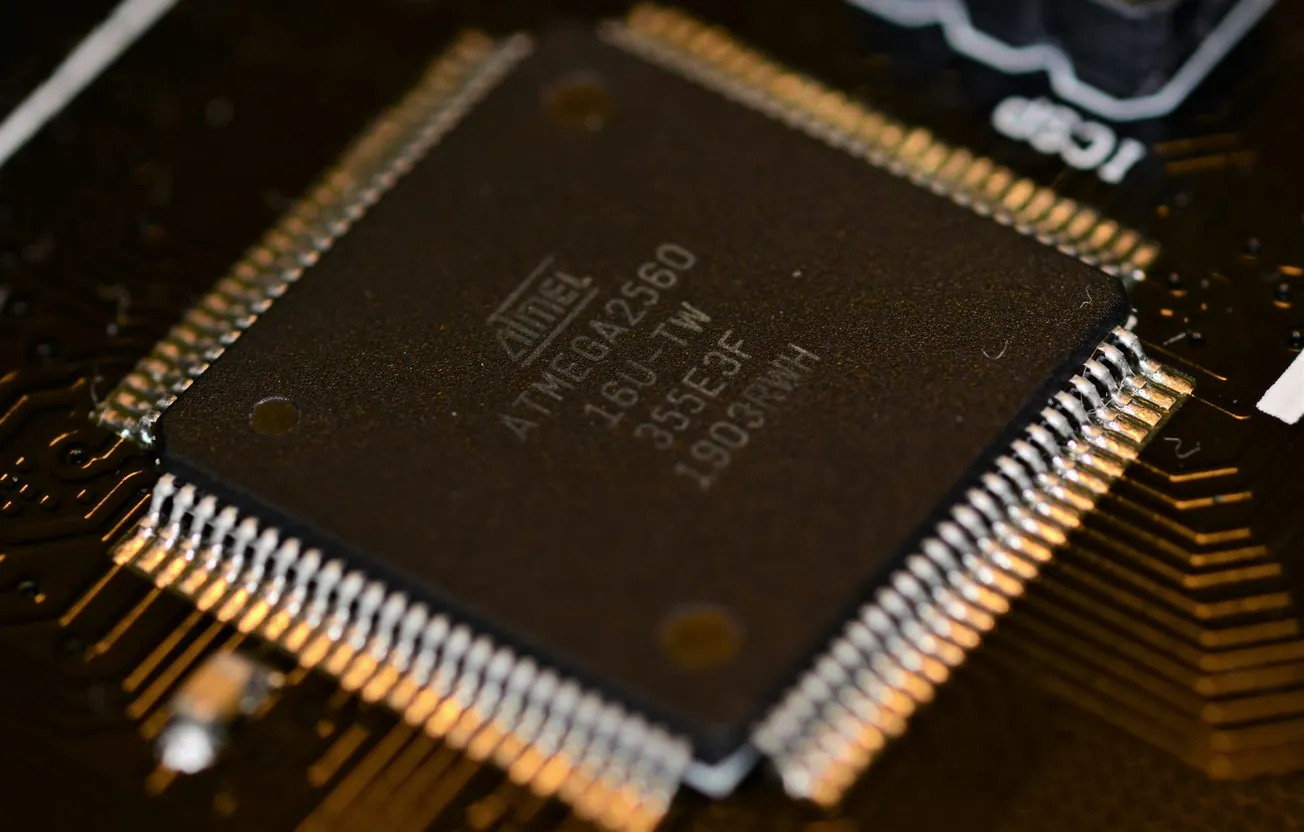
The release of the MacBook Neo on March 11, 2026, has introduced a significant shift in Apple’s hardware strategy. Priced at a breakthrough $599, the Neo is the first Mac to utilize an iPhone-class processor—the A18 Pro—rather than the M-series chips found in the Air and Pro lineups. For music producers and audio storytellers, this raises a critical question: is a "budget" Mac capable of handling the rigors of professional digital audio workstations (DAWs)?
Early testing suggests that while the Neo is positioned as an entry-level device, its performance in audio tasks is surprisingly resilient. By leveraging the efficiency of the A18 Pro chip, the Neo offers a silent, fanless experience that is ideal for recording environments where background noise must be minimized. However, the device’s unique architecture and fixed specifications require a careful evaluation of its real-world utility.
Performance Benchmarks in Logic Pro and Ableton
In practical tests conducted by RareForm Audio and MusicRadar, the MacBook Neo demonstrated a high level of competency for "sketchpad" production and light mixing. In Logic Pro, the A18 Pro chip successfully managed sessions with up to 60 tracks including basic EQ and compression. The integration of Apple’s 16-core Neural Engine also allows the Neo to utilize AI-assisted features—such as Stem Splitter and Mastering Assistant—with speeds comparable to older M1-generation hardware.
The primary bottleneck for the Neo is its 8GB of unified memory. Because the RAM is non-upgradable, producers who rely on large, sample-heavy libraries like Kontakt or multi-gigabyte orchestral plugins may experience significant slowdowns. For beatmakers using stock plugins, synthesizers, and loop-based workflows in FL Studio or Ableton Live, the 8GB ceiling is less restrictive, but it remains a factor for long-term scalability.
Hardware Trade-offs and Connectivity
To achieve its $599 price point, Apple has made several design choices that impact the professional workflow:
- Port Selection: The Neo features two USB-C ports, but they lack Thunderbolt support. One port is limited to USB 10Gbps, while the other is restricted to USB 2.0 speeds. This makes the use of a high-quality USB hub essential for connecting audio interfaces, MIDI controllers, and external drives.
- Storage Limits: The base 256GB SSD is insufficient for storing large sample libraries or high-resolution project files. Production teams should expect to rely on external NVMe drives for primary storage.
- Display and Keyboard: The 13-inch Liquid Retina display is vibrant but lacks the ProMotion high refresh rate found on Pro models. Additionally, the base model Neo does not feature a backlit keyboard or Touch ID, which may affect usability in dimly lit studio environments.
Strategic Use Cases for Businesses and Educators
For educational institutions and small businesses, the MacBook Neo offers an accessible path into the macOS ecosystem. It is an excellent tool for podcasting, basic voiceover recording, and audio editing for social media. Because it runs full macOS rather than iPadOS, it maintains compatibility with a vast library of VST and AU plugins that are not available on tablets.
Marketing teams looking to scale their internal content production can deploy the Neo as a dedicated "recording station." Its lightweight 2.7-pound design and 16-hour battery life make it a highly portable option for field interviews and "run-and-gun" audio capture. While it may not replace a MacBook Pro M5 for heavy mixing or film scoring, it serves as a powerful secondary machine for the early stages of the creative process.
Final Verdict: A False Economy or a Smart Entry?
The MacBook Neo is not a "Pro" machine, but it is a capable one. For beginners and those on a strict budget, it eliminates the financial friction of entering the professional audio space. However, for established producers, the lack of RAM expandability and Thunderbolt connectivity may make it a "false economy" in the long run.
If your workflow involves high track counts and intensive third-party processing, the MacBook Air M5 or a refurbished M3 Pro remains the superior choice. If you need a secondary, ultra-portable Mac for writing, basic editing, and light production, the Neo provides the "magic of the Mac" at a price that was previously impossible.