
The transition from recording a session to publishing the final product often represents the most significant bottleneck in the content creation lifecycle. Many creators and businesses find that while filming may take an hour, the subsequent editing process can easily consume ten times that duration.
This friction frequently leads to inconsistent posting schedules or abandoned projects. Understanding how to manage large volumes of raw footage is essential for anyone looking to scale their digital presence without succumbing to burnout.
By implementing structured workflows and leveraging modern technological tools, creators can transform a chaotic folder of files into a polished narrative in a fraction of the traditional time. The key lies in separating the creative decision-making process from technical execution.
Implementing the Phase-Based Editing Workflow
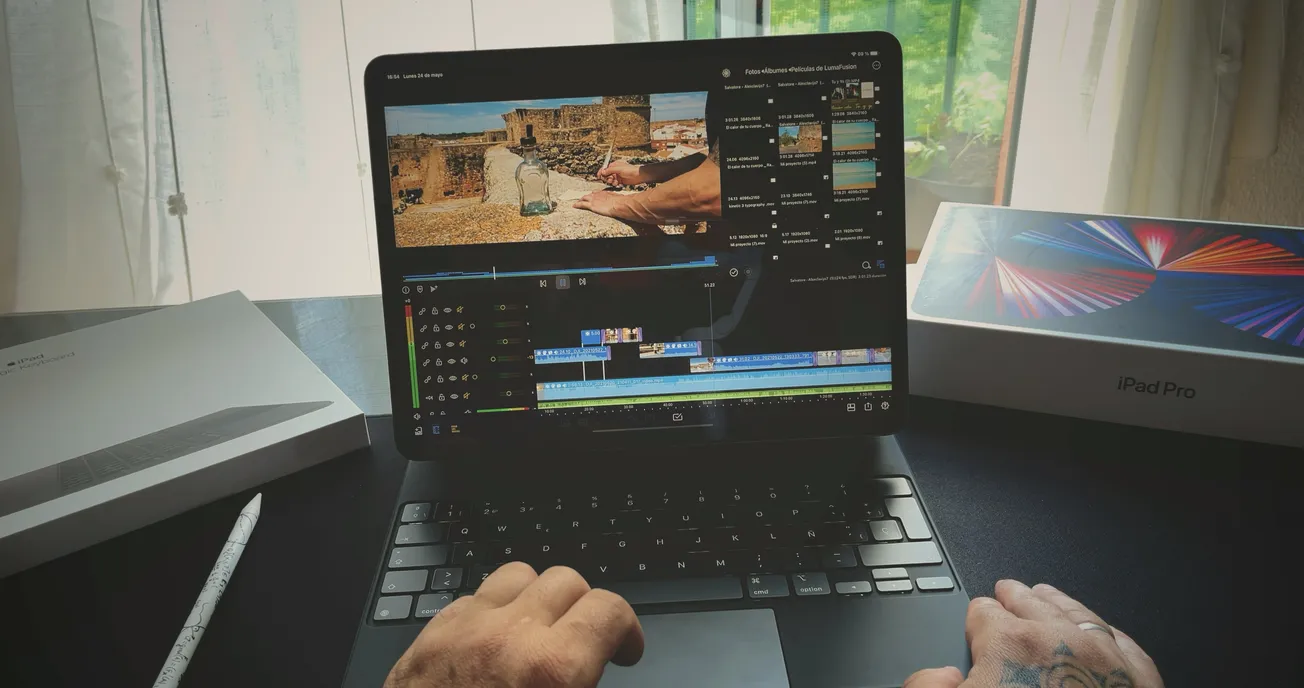
One of the primary reasons editing feels overwhelming is the tendency to perform multiple cognitive tasks simultaneously. Attempting to cut for narrative flow while simultaneously color correcting and adjusting audio levels creates significant mental friction. Professional editors avoid this by breaking the process into distinct, sequenced phases.
The first phase should focus exclusively on identifying usable footage, often referred to as selects. Instead of studying every minute of a recording, creators should scan footage quickly to mark the strongest moments. Once the selects are identified, the focus shifts to the narrative stage, where the story spine is assembled. Technical polish, such as adding transitions, graphics, and color grading, should be reserved for the final stage to avoid wasting time on clips that may not make the final cut.
Leveraging Transcription and AI Tools
Modern media tools have introduced features that significantly reduce the time spent scrubbing through timelines. AI-powered transcription services allow creators to convert hours of audio into searchable text. This turns a visual search task into a text-based one, enabling editors to find specific soundbites or topics instantly by searching for keywords.
Working from a transcript helps identify filler words, repetitive sections, and off-topic tangents before a single cut is made on the timeline. For educational content, interviews, and long-form podcasts, this text-based approach acts as a roadmap, ensuring the most impactful segments are prioritized. This method is particularly effective for marketing and brand storytelling, where clarity and conciseness are paramount.
Developing Repeatable Templates and Systems
Friction is often a byproduct of reinventing the process for every new project. Establishing a repeatable structure—or a "house style"—allows the brain to focus on content rather than logistics. Creators should define the standard building blocks for their videos, such as a consistent hook, intro sequence, main chapters, and call to action.
Beyond the narrative structure, file organization is a critical component of speed. Dedicating fifteen minutes to organizing assets into folders for primary camera angles, secondary b-roll, and audio files can prevent hours of searching during the heat of the edit. When files are labeled clearly, such as "intro_take2" or "interview_segment_01," the editor can jump between sections with precision.
Maximizing Value Through Content Atomization
A single long-form recording is a rich asset that can be repurposed into multiple pieces of content. Instead of viewing a two-hour recording as one daunting task, creators should look for "clip points"—standalone moments that can function as short-form videos for social media.
By identifying these emotional beats or instructional segments during the initial review, editors can batch-export several micro-assets alongside the main production. This approach not only speeds up the overall output but also ensures that the business or creator reaches a wider audience across various platforms with minimal additional effort. Transitioning to a video-first format on platforms like Spotify and YouTube further emphasizes the need for these efficient production workflows.
Adopting these systematic improvements allows teams to maintain high quality while increasing their production frequency. By focusing on workflow optimization rather than just technical skill, media creation becomes a sustainable and scalable part of any business strategy.
More about editing:
 Staff Report
 Staff Report
 Staff Report