
AI tools like Higgsfield are shaping a new frontier in creative technology — one where generating cinematic visuals and polished content is no longer limited to big studios or teams with expensive gear. But as accessible as these platforms promise to be, their rise also raises deep questions about artistic labor, authorship, and the evolving role of human creators.
Bringing Professional Tools Within Reach
Higgsfield is an all‑in‑one generative AI platform that combines image creation, motion video generation, preset cinematic camera control, and effects in one workspace. It lets users take text or static images and turn them into stylized videos with advanced camera movements — like crash zooms, dolly shots, and 360 orbits — without traditional filming or editing workflows.
This “no‑code” approach means artists, storytellers, and social creators can produce content that once required substantial technical expertise and expensive equipment. Rather than juggling multiple tools or subscriptions, creators can generate polished visual content quickly — a huge advantage for solo artists and small teams looking to compete in today’s attention economy.
For many visual artists and filmmakers, platforms like Higgsfield lower the barrier to entry. They can prototype ideas, experiment with style, and iterate fast without being held back by budget or technical constraints. That democratization echoes earlier creative revolutions like desktop publishing or accessible digital audio workstations, which shifted creative power from studios to individuals.
New Creative Grammar and Possibilities
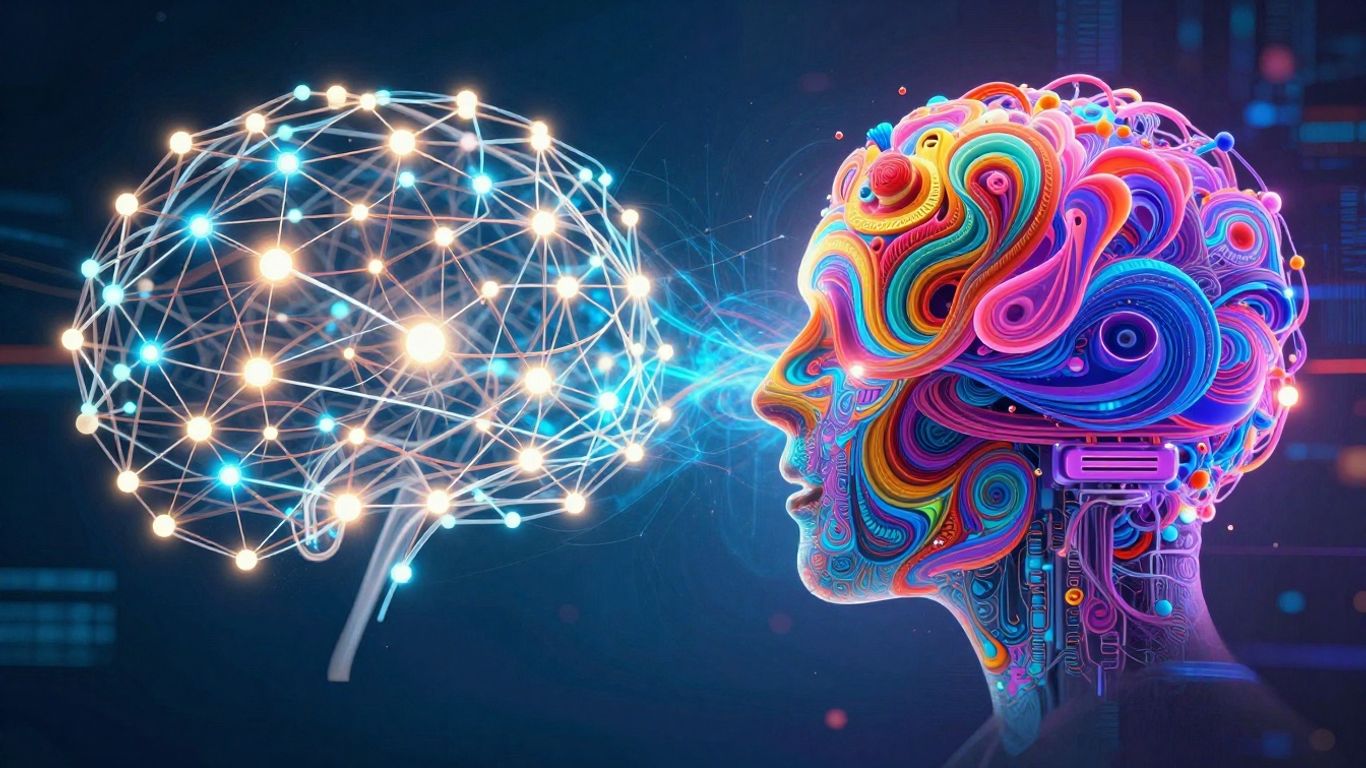
Beyond convenience, AI tools are beginning to influence how artists think about composition and storytelling. Platforms such as Higgsfield are described as introducing a new creative grammar: blending realism with imagination through AI‑guided transitions, cinematic visual language, and motion that isn’t bounded by physical lighting or camera rigs.
Artists can now focus more on narrative intention and stylistic experimentation, trusting the AI to handle underlying technical production. For disciplines like music videos, social media storytelling, and concept art, this opens up new expressive territories and can spark hybrid creative practices that combine human direction with machine generation.
Speed and Accessibility vs. Creative Depth
While Higgsfield and similar platforms are powerful, current real‑world testing highlights limitations in quality, realism, and flexibility. Some reviewer assessments note that although cinematic motion presets and outputs are compelling, image and video fidelity sometimes fall short of fully natural or nuanced visuals. This is especially true compared with outputs from more specialized AI models in separate tools.
This trade‑off between rapid production speed and creative depth may shape how artists use these tools:
- Great for ideation and rough drafts: Quickly prototyping visuals or planning shots before final production.
- Less suited for fine artistic nuance: AI generation may miss subtle emotional or aesthetic cues that human artists embed in their work.
- Predefined tool limitations: Preset‑driven platforms risk producing style homogeneity — many outputs start to look similar if the presets dominate creative decisions.
The result is a future where AI can enhance creative output but doesn’t yet replace the human touch that infuses art with intention and meaning.
Economic and Ethical Questions for Artists
Beyond artistic impact, AI platforms also raise economic and ethical concerns that echo broader debates around generative AI. A growing body of research shows many artists worry about the lack of transparency in how training data is sourced, and whether AI art tools can unfairly reproduce styles without proper consent or compensation — a key point of contention in ongoing legal and cultural discussions.
There’s also the question of how automation affects creative jobs. Platforms that reduce production time could displace some roles — especially in entry‑level or repetitive tasks — while creating demand for others, such as AI prompt design, conceptual direction, and human‑in‑the‑loop creative workflows.
Human‑AI Collaboration: The Middle Path
A productive vision for the future sees AI not as a replacement for human artists but as a collaborative partner. Research into generative systems suggests that human‑in‑the‑loop approaches — where artists guide and refine AI output — lead to the most expressive, contextually meaningful work. In such setups, AI handles technical generation while the artist provides the emotional, cultural, and interpretative lens.
This collaboration requires:
- Creative vision and critical judgment from artists,
- Technical fluency with prompts and tools, and
- Ethical frameworks that ensure creator rights, credit, and compensation are respected.
What This Means for Artists Moving Forward
Platforms like Higgsfield signal a broader trend in which AI accelerates and reshapes artistic workflows. For many artists, this shift brings:
Opportunity:
- Faster iteration and experimentation.
- Professional‑quality output with minimal resources.
- New forms of visual storytelling that transcend traditional boundaries.
Challenge:
- Navigating quality limitations and stylistic constraints.
- Addressing ethical concerns around data ownership and model transparency.
- Balancing automation with human creativity to produce meaningful, original art.
In essence, the future of art won’t be defined by AI alone — it will be defined by artists who learn to harness AI thoughtfully, integrating it into their creative practice without surrendering authorship, intention, and cultural context.