
Establishing a Technical Foundation for High-Fidelity Audio
The quality of an audio or video production is often dictated by the stability of the hardware used during the recording and monitoring phases. Paragon Sight and Sound recently highlighted the role of Harmonic Resolution Systems (HRS) in providing specialized vibration control for high-end audio components. While often overlooked by beginners, the mechanical isolation of equipment like digital-to-analog converters, preamplifiers, and turntables is a critical factor in achieving professional-grade signal purity.
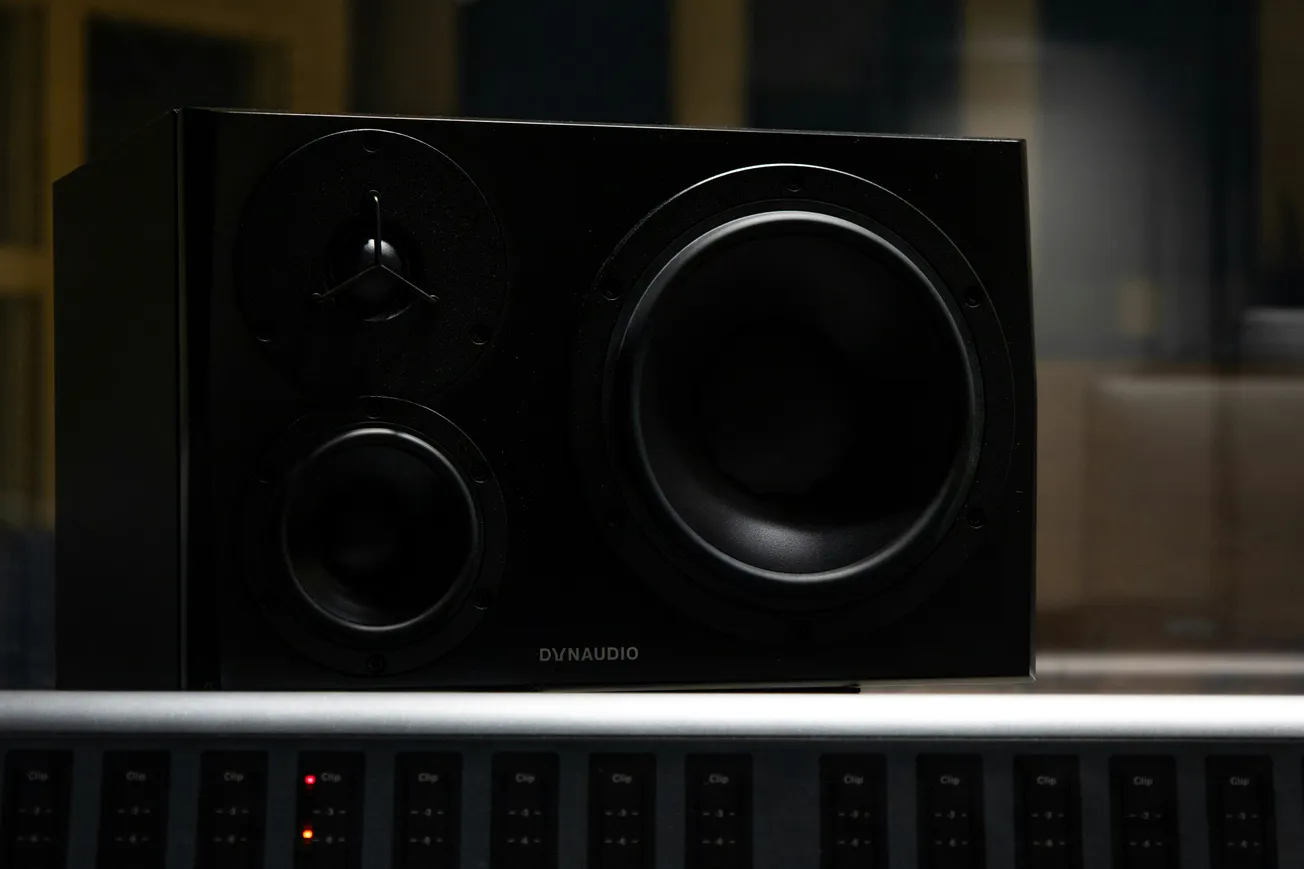
Vibration control in a studio environment addresses two primary issues: structure-borne noise and air-borne energy. When sensitive electronic components are subjected to external vibrations—such as those from cooling fans, nearby traffic, or even the sound from studio monitors—it can introduce microphonic interference into the signal path. HRS focuses on creating a "foundation of performance" by using proprietary materials and aerospace-grade engineering to drain this energy away from the playback and recording chain.
The Mechanics of Isolation and Dissipation
Harmonic Resolution Systems utilizes a combination of high-mass platforms and specialized damping polymers to isolate gear. Unlike standard furniture or office desks, which can resonate and amplify certain frequencies, these dedicated audio stands are designed to be inert. For a podcast creator or a video editor, this means the noise floor of the monitoring system is lowered, allowing for a more accurate representation of the recorded audio.
When the noise floor is reduced, low-level details in a recording become more apparent. This clarity is essential when cleaning up dialogue or balancing complex sound designs for video projects. By removing the "smear" caused by mechanical vibration, editors can make more precise adjustments to equalization and compression, ensuring the final product translates well across different playback systems.
Scalable Solutions for Creative Spaces
The application of vibration control technology is not limited to large-scale broadcast facilities. HRS offers modular systems including isolation bases and racks that can be integrated into smaller home studios or corporate media rooms. For businesses producing high-stakes marketing content or educational series, the reliability of the equipment foundation ensures that the hardware performs at its maximum specified potential every time it is powered on.
Beyond the technical benefits, professional-grade equipment housing helps organize the signal chain. Proper rack systems improve airflow around hot components like power amplifiers, extending the lifespan of the hardware. For a growing content team, investing in a stable infrastructure reduces the frequency of equipment failure and maintains a consistent environment for multiple operators.
Professional Monitoring and Quality Control
In the world of high-end audio, the goal is often described as "transparency"—the ability to hear exactly what is on the recording without the hardware adding its own character. Harmonic Resolution Systems approaches this through a rigorous scientific process, measuring how different materials react to resonant frequencies. This data-driven approach appeals to creators who require objective results rather than subjective marketing claims.
Using isolation bases under sensitive digital gear can prevent jitter and other timing errors that degrade audio quality. While these improvements may seem incremental, they accumulate throughout the production process. A clean signal at the start of the chain results in a more polished and professional final export. By treating the physical placement of gear as a technical requirement rather than an afterthought, creators can eliminate one of the most common sources of hidden distortion in the studio.
Long-Term Value for Media Businesses
High-quality audio furniture and isolation tools represent a long-term investment in a production space. Unlike software or digital interfaces that may become obsolete within a few years, mechanical isolation systems remain effective for decades. This longevity makes them a strategic purchase for businesses looking to build a sustainable media department.
By prioritizing the physical foundation of the studio, creators ensure that every other piece of technology in the room can function without interference. Whether recording a simple voiceover or mixing a complex documentary soundtrack, the stability provided by advanced vibration control allows the storyteller to focus on the content rather than technical limitations. As the demand for high-quality digital media continues to grow, the importance of a solid technical foundation becomes increasingly clear for professionals at all levels.
More about audio equipment:
 Ashton York
 Staff Report
 Staff Report